To remain relevant, many evangelical pastors are following the lead of hipster trendsetters. So what happens when 'cool' meets Christ?
Brett McCracken | posted 9/03/2010 10:26AM
(http://www.christianitytoday.com/ct/2010/september/9.24.html)
Here's a riddle: A young man walks into a building. From the outside, it looks like a nondescript, run-down, abandoned warehouse. Inside he finds mood lighting, music with throbbing bass, and young people wearing skinny jeans and superfluous scarves. A bar off to the side offers drinks of some sort, and a frenetically lit stage is shrouded in fog. Jumbo screens display what appear to be music videos. Everywhere people text on their iPhones.
A young woman with a nose ring and a vaguely Middle Eastern tattoo comes up andintroduces herself. She makes awkward (but refreshingly earnest) small talk about her passion for community gardens and food co-ops. She asks him if he has heard Arcade Fire's new album, and compliments him on his bushy beard and lumberjack look. Beards like that are cool, she says. Eventually she asks him for his contact information.
Question: Is the man in a bar? Or is he in a church?
It could go either way.
Welcome to the world of hipster Christianity. It's a world where things like the Left Behind book and film series, Jesus fish bumper stickers, and door-to-door evangelism are relevant only as a source of irony or nostalgia. It's a world where Braveheart youth-pastor analogies are anathema, where everyone agrees that they wish Pat Robertson "weren't one of us" and shares a collective distaste for the art of Thomas Kinkade.
The latest incarnation of a decades-long collision of "cool" and "Christianity," hipster Christianity is in large part a rebellion against the very subculture that birthed it. It's a rebellion against old-school evangelicalism and its fuddy-duddy legalism, apathy about the arts, and pitiful lack of concern for social justice. It's also a rebellion against George W. Bush—style Christianity: American flags in churches, the Ten Commandments in courtrooms, and evangelical leaders who get too involved in conservative politics, such as James Dobson and Jerry Falwell.
The new subculture of young evangelicals—I call them "Christian hipsters"—grew up on Contemporary Christian music (CCM), Focus on the Family's Adventures in Odyssey, flannel graphs, vacation Bible school, and hysteria about the end times. Now all of that is laughable to them, as they attempt to burn away the kitschy dross of the megachurch Christianity of their youth—with its emphasis on "soul-winning" at the expense of everything else—and trade it for something with real-world gravitas.
They prefer to call themselves "Christ-followers" rather than "Christians." They cringe at the thought of an altar call, and the prospect of passing out tracts gives them nightmares. Christian hipsters alarm some church leaders and mystify others. But for many observers, hipster Christianity is an exciting development. It reassures them that not all young people are abandoning the church. They are just rehabilitating its image, making it their own.
In order to remain relevant in this new landscape, many evangelical pastors and church leaders are following the lead of the hipster trendsetters, making sure their churches can check off all the important items on the hipster checklist:
- Get the church involved in social justice and creation care.
- Show clips from R-rated Coen Brothers films (e.g., No Country for Old Men, Fargo) during services.
- Sponsor church outings to microbreweries.
- Put a worship pastor onstage decked in clothes from American Apparel.
- Be okay with cussing.
- Print bulletins only on recycled cardstock.
- Use Helvetica fonts as much as possible.
- Leverage technologies like Twitter.
This is what hipster Christianity looks like; this is what it requires. But what does it all mean? As the latest zeitgeisty Christian subculture in a long string of zeitgeisty Christian subcultures, what does hipster Christianity offer the church??
And what does it take away?
The History of Cool Faith
Before we examine those questions, we need to take a whistle-stop tour through the somewhat brief history of "Christian cool."
By most accounts, the story of cool Christianity begins in the 1960s. Its seeds were planted in the exploding post-war youth culture, which gave rise to a new emphasis on youth ministry within evangelicalism, the growth of parachurch organizations like Youth Specialties (founded in 1969), and a general feeling that, to reach increasingly rebellious and countercultural adolescents, Christianity had to get a bit edgier and wiser to the trends of the day.
But the biggest boost for cool Christianity came in the most unexpected way—when, in the late '60s and early '70s, hippies started following Christ. Acid-tripping, long-haired, sandal-wearing hippies like Ted Wise and Lonnie Frisbee led the pack, as hip Christian coffeehouses and communes sprung up in San Francisco, Greenwich Village, Chicago, and all across the country. Denominations like Calvary Chapel and Vineyard exploded, fueled by the charismatic fervor of the young hippie converts. Christian rock was born, led by people like Chuck Girard, a friend of Brian Wilson's whose band Love Song came out of the Laguna Beach dope scene, and Larry Norman, "the grandfather of Christian rock," whose 1969 masterpiece, Upon This Rock, is considered the first Christian rock album. It wasn't long, however, before the alternative/organic Jesus movement lost steam in the process of becoming mainstream. It wasn't long before "Christian rock" the movement became CCM the industry.
By the 1980s, most of the Jesus People had cut their hair, shaved their beards, and traded in their tunics and sandals for argyle sweaters and penny loafers. Yet the legacy of the hippie Christian movement was alive and well. For one thing, the deeply personal, experiential, Spirit-filled emphasis of the Jesus People remained as the charismatic movement took off, as well as the "just how you like it," seeker-sensitive approach that became common evangelical practice. This included an emphasis on the new and an elevation of trend and cool. Following the lead of Chuck Smith, whose outreach to hippies through Calvary Chapel reaped huge dividends, more evangelical leaders in the 1980s and '90s actively sought cool. They began to reach out to the youth culture and form churches to fit its needs—motivated by a renewed desire to be contemporary, current, and relevant.
As a result, evangelicalism in the '90s had a firmly established youth culture, built on the infrastructure of a lucrative Christian retail industry and commercial subculture. Huge Christian rock festivals, Lord's Gym T-shirts, WWJD bracelets, Left Behind, and so forth. It was big business. It was corporate. It was schlocky kitsch. And it was begging to be rebelled against.
Enter the age of the Christian hipster. As the '90s gave way to the 2000s, young evangelicals reared in the ostentatious Je$us subculture began to rebel. They sought a more intellectual faith, one that didn't reject outright the culture, ideas, and art of the secular world. In typical hipster fashion, they rejected the corporate mentality of the purpose-driven megachurch and McMansion evangelicalism, and longed for a simpler, back-to-basics faith that was more about serving the poor than serving Starbucks in the church vestibule.
They looked up to young Christian authors and pastors like Shane Claiborne, Rob Bell, and Donald Miller, read Relevant magazine, adored indie-folk musician Sufjan Stevens, and were fascinated by ancient church liturgies and prayers. They began to dress and act like secular hipsters: drinking beer, getting tattoos, riding fixed-gear bikes, and eating raw and organic foods. They took interest in a broader range of issues (the environment, HIV/AIDS, globalization) than their parents' generation, and voted for Barack Obama.
In a way, the contemporary Christian hipster is a full-circle return to the Jesus People hippies of yesteryear. But the Jesus People were secular "hipsters" first, then—having converted to Christianity—began to shed their hippie clothes and customs to form communities that were set apart, ultimately becoming their own subculture (e.g., Jesus People USA). Today's Christian hipsters are doing the reverse. They seek to break out of the Christian subculture. The clothes and customs they shed are nothing less than the evangelical establishment itself, formed through decades of attempts at cool Christianity. Today's Christian hipsters retain their faith, but they want it to be compatible with, not contrary to, secular hipster counterculture. Their mission is to rebrand Christianity to be, if not completely void of its own brand altogether, at least cobranded and allied with the things that it had previously set itself in opposition to: art, academics, liberal politics, fashion, and so on.
As a result of its intentional melding of Christian and secular, hipster Christianity often feels a bit like a stealth operation. One cannot easily decipher the Christian elements of a Christian hipster, not because they aren't there, but because they aren't in the foreground as much as, say, the "can't miss it" sartorial expressions (lumberjack beards, vintage dresses, flask as accessory) that traditionally signify hip. You're telling me that indie folk singer is a Calvinist? Blue Like Jazz is a book about Christianity? That guy with the Poseidon tattoo I saw at the hookah bar last night is a Presbyterian pastor? Who knew?
The Hipster Look
In this confounding world of intentionally blurred distinctions and redefined categories, can we make out any clear marks of a Christian hipster?
What makes a church a "hipster church"? Does it have a one-word name that is either a Greek word or something evocative of creation? Does the pastor frequently use words like kingdom, authenticity, and justice, and drop names like N. T. Wright in sermons? Does the church advertise a gluten-free option for Communion? If the answer is yes to all of those questions, chances are that it's a hipster church.
Of course that's simplistic. The hipster Christianity that I discovered during the research for my book—which entailed visits to hipster churches and interviews all over the country—is actually complex and diverse in its incarnations, even if it isn't very diverse in ethnicity and socioeconomics. Hipster Christianity isn't a monolithic subculture that can be easily categorized, but it definitely has some recognizable characteristics.
One thing we can fairly say of hipster Christianity is that it frequently strives for shock value. Take, for example, Seattle's Mars Hill Church—a Christian hipster Mecca pastored by Mark Driscoll, the polarizing Howard Stern of neo-Calvinist Christianity. On the Sunday I visited, Driscoll's message was on the Dance of Mahanaim in the Song of Solomon (an "ancient striptease," as he referred to it, and "one of the steamiest passages in the Bible"). During his sermon, Driscoll—looking like a metrosexual jock in an Ed Hardy—esque tight T-shirt, cross necklace, and faux-hawk—talked about how wives should be "visually generous" with their husbands (e.g., they should keep the lights on when undressing and during sex). I never thought I'd hear a preacher talk about these things from the pulpit. And that's exactly the point.
Hipster Christianity's attention to shock value manifests in others ways. Some churches hold their services in bars and nightclubs—Mosaic in L.A. meets in the Mayan nightclub, and North Brooklyn Vineyard in New York meets at a place called the Trash Bar. Some churches, like Grace Chicago, host wine tastings or schedule outings to microbreweries. I even attended an Anglican church a few years ago that sponsored a cookout with fine wines, beer, and a selection of cigars from the priest's own humidor. Other churches focus more on the shock value of sermons, delving into touchy subjects such as homosexuality, child abuse, sex trafficking, HIV/AIDS, and so on, sometimes with an f-bomb or two thrown in for good measure.
Another distinguishing mark of hipster Christianity is the music in its worship services. In keeping with the overarching "avoid doing what everyone else is doing" motif of hipsterdom at large, most of the hipster churches I visited seemed done with the U2- starry-rock style that now dominates megachurch evangelicalism. Rather than contemporary praise choruses, many of them favored centuries-old hymns.
On the Sunday I visited Resurrection Presbyterian in Williamsburg, Brooklyn (the heart of worldwide hipster culture), the music was pared down (one singer and one instrumentalist), acoustic, vintage, and reverent. All the worship songs were old hymns, including "Immortal, Invisible, God Only Wise" and "Fairest Lord Jesus." Almost everyone in the audience was under 35.
Hipster Christianity also expresses itself theologically, through preaching that often emphasizes covenantal and "new creation" ideas and attempts to construct a more ecclesiological or community-centric view of salvation. Things like soul-winning and going to heaven are downplayed in favor of the notion that heaven will come down to earth and renew the broken creation. Thus, the world matters. It's not a piece of rotting kindling that we will abandon for heaven one day. It's the site of a renewed kingdom. All of this informs hipster Christianity's attention to things like social justice, environmentalism, and the arts, because if God is building his kingdom on earth, then it all matters.
Small But Influential
Lest we overemphasize its importance in worldwide Christianity, we should remember that hipster Christianity is a rather narrow subset of the faith: mostly white evangelical, mostly economically well-off. It has little pertinence to, say, a rural Appalachian church or a monastic community in Ohio, let alone most of Christendom in the non-Western world. It also has little impact on non-white communities in the U.S., a point made by Anthony Bradley—professor of theology at New York's King's College—in a recent blog post titled "Can hipster Christians reach non-hipster blacks and Latinos in urban areas?" Soong-Chan Rah asked a similar question in a recent Sojourners article, "Is the Emerging Church for Whites Only?"
Hipster Christianity is undoubtedly a specific enterprise, which means its overall impact on global Christianity might be negligible. But it's clearly shaping some aspects of evangelical culture.
One of hipsterdom's positive values is its concern for justice—whether it be sweatshops or sex trafficking, water wells or finance reform. Hipsters almost always champion the cause of the underdog (immigrants, the poor, minorities) over those with power and privilege. Christians would be hard-pressed to find any Scripture passages that suggest Jesus didn't do the same. Many Christians, sadly, have moved away from social justice and fighting for the well-being of the downtrodden, but Christian hipsters are leading the way back.
Hipster Christians also have a healthy appreciation for the finer things in God's creation. With childlike awe and wonder that betrays their otherwise cynical demeanor, hipsters glory in the little pleasures of life: riding bikes along rivers, eating homemade macarons on a blanket in a friend's front yard, or playing Frisbee in the park. Hipsters appreciate the detail and artistry of creative, well-crafted films, music, books, and woodwork. They take the arts seriously and recognize their crucial part in human flourishing. Mainstream evangelical Christianity—too long in the ghetto of subpar subculture—should take note.
On the other hand, some wonder if hipster Christianity goes too far in embracing worldly things—especially when those things arguably become stumbling blocks or idols in the Christian life. Some suspect that its rebellious embrace of formerly taboo behaviors actually might do more long-term harm than good.
In order to be a hipster, one must be a rebel. Despite the fact that (ironically) hipster culture usually operates within and is sustained by the very structures it opposes, hipsterdom's raison d'être is countercultural, boundary-pushing rebellion. As such, hipster existence is frequently rife with vices. If hipsters cannot completely overthrow the structures that bind them, they can at least destabilize them by engaging in hedonistic behavior: smoking, drinking, cursing, sexual experimentation, and so on. It's about freedom, partying, and transgression—not in the Jersey Shore, frat-party sense (unless ironically), but in the "bourbon cask ales taste good and I don't care if I get drunk" sense. Hipsters ridicule bourgeois concerns such as "cigarettes cause cancer" and "drinking should be done in moderation," opting instead to recklessly embrace such vices with "why not?" abandon. If you aren't willing to engage in at least some of this "subversive hedonism," you will have a hard time maintaining any hipster credibility.
But what does this mean for Christian hipsters? When, in the name of rebellion and "freedom in Christ," Christian hipsters begin to look and act just like their secular hipster counterparts, drinking and smoking all the same things, shouldn't we raise a red flag?
Isn't Christianity supposed to be distinguishable and set apart from the world? Christian hipsters are rebelling against a mainstream Christianity that they see as too indistinguishable from secular mainstream culture (i.e., consumerist, numbers-driven, Fox News—watching, immigrant-hating, SUV-driving), but their corrective may not turn out much better. Some hipster Christianity is as indistinguishable from its secular hipster counterpart as yesterday's megachurch Christianity was indistinguishable from secular soccer-mom suburbia.
The challenge for hipster Christians is to figure out what it means, in their cultural context, to put on the new self, created after the likeness of God in true righteousness and holiness (Eph. 4:24). We are new creations, and the old has passed away (2 Cor. 5:17). How does that mesh with the Pabst-guzzling, Parliament-smoking nonchalant image that seems important to many hipsters?
Another concern about hipster Christianity is its fundamentally disposable, moving-on-to-what's-next transience. Granted, there is a tension here, because hipsters are rediscovering ancient liturgy and hymns. But one gets the impression that these are valued mostly because they are countercultural and therefore cool in their own way. But cool is all about the "now." It relentlessly pursues the next big thing, abandoning today's trend for tomorrow's with mechanistic speed and efficiency (think trucker hats or messenger bags).
This "of the moment" trendiness is an understandably appealing quality for those seeking to advance Christianity in today's world. How can we be taken seriously if we are perceived as behind the times or irrelevant? This is the reasoning that leads many churches to obsess about keeping their churches on pace with the latest technologies, worship music trends, or theological buzzwords (missional!). But is this painstaking, resource-draining rat race of staying ahead of the pack worth it? And what happens to Christianity when it becomes, like hipsterdom, a chameleon of fleeting fashion and transient trend?
As hipster Christianity grows, the temptation for church leaders will be to fashion themselves (and their churches) in the hipster mold. But in so doing, these churches will likely only reinforce a growing distinction between "authentic hipster" and "wannabe hip" churches. The former type is often simply an organic embodiment of an urban environment where hipsters live (and, thus, attend church). These churches are hip not because they self-consciously strive to be, but because they happen to exist in a hipster milieu (e.g., Resurrection Presbyterian in Brooklyn, or Grace Church in London's Hackney neighborhood).
The latter type, on the other hand, appropriates what it perceives to be the prevailing hipster sensibilities in a utilitarian, "staying relevant" way. These wannabe hip churches—largely of the suburban, megachurch, and "contemporary evening service" variety—dress themselves in the accoutrements of hipsterdom not because they understand or value it, but because they are terrified of being excluded, left behind, or undesirable. They are playing catch up, frantically maneuvering to be in the inner rings of culture and fashion rather than the dreaded periphery.
Wannabe-hip churches are springing up everywhere these days, but what will it mean for the larger church? Will this sort of Christianity bring back the youth, or will it further alienate a younger generation fed up with being a target market? Will hipster Christianity repair Christianity's PR problem? Or will it fizzle in a faddish wisp before anyone can say lectio divina?
These are open questions. In the meantime, hipster Christianity is a sometimes encouraging, sometimes maddening, always fascinating phenomenon. It defies easy yes-or-no understanding. And that's precisely how it prefers it to be.
Brett McCracken is author of Hipster Christianity: When Church and Cool Collide (Baker, 2010). He works at Biola University in Los Angeles.
Copyright © 2010 Christianity Today.
Saturday, March 05, 2011
Friday, March 04, 2011
「我對蘋果哲學的理解-蘋果的騙局」
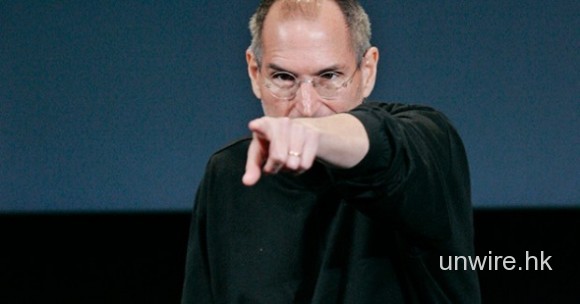
(轉載自:http://unwire.hk/2011/03/04/appleipad2trap/column/)
在國內的 cnBeta 網站,出現了一篇名為「我對蘋果哲學的理解-蘋果的騙局」(http://www.cnbeta.com/articles/136262.htm),在網絡上隨即惹來爭議。當然一間企業有人支持亦有會有人反對,我們可以聽取他們的心聲分享,為方便閱讀我們把原文轉成了繁體,不知各位閱讀後有甚麼意見呢?可以發表一下
借iPad2發佈的契機,把這篇長久以來的構想落在筆頭。就像我在狀態中所說的,我佩服蘋果的技術,卻不能接受蘋果的哲學。騙局?你肯定不信。待我問你,iPad2最大的賣點是什麼?你會說,加上了攝像頭,前後兩個,減小了厚度,加了蓋,"2x/9x"的速度提升。好,我們單說 加了攝像頭這一點。想一想,當今世面上的電腦、網本、智慧手機,能找到一款沒有攝像頭的麼?難。攝像頭已經成為移動電子產品的標配,為什麼iPad2上裝 了攝像頭,大家就無比激動?因為iPad1沒有攝像頭。那麼請想一想,為什麼iPad1沒有攝像頭?
如果你還沒有被騙的感覺,請繼續往下看。
蘋果的技術與行銷
任何一家依靠技術立足的公司,都必須有源源不斷的技術創新。然而,大家能在市場上買到的所謂"新"產品,其實並不一定是那家公司的最新技術。新技術是市場競爭中的籌碼,籌碼一定要攢在手中,適時的試用。如果產品在市場上業績不錯,一個公司沒有必要用出籌碼。只有當產品推出時間長了,銷量下滑了,人們開始淡忘了,或者有競爭產品推出時,一個公司才會吧之前已有的研發成果包裝成新產品推向市場。總而言之,所有企業在推出新技術時都是有所保留的,這是基本的策略,不足為奇。
蘋果卻將這種策略退向了極致。蘋果的技術保留,往往不是它的新技術,而是陳舊成熟的技術,或簡單易得的技術。
iPad2 的攝像頭是一個明顯的例證。攝像頭是非常成熟的技術,安裝攝像頭對於蘋果這樣的公司簡直沒有任何技術難度可言。從工程設計上,恐怕蘋果只要1個星期的時間 就能搞定,增加的成本也忽略不計。那麼它為什麼不在iPad1上安裝攝像頭?難道Jobs喝醉了忘記要求了?明顯不是,這就是為了讓iPad2顯得有所進 步。
再說iPad2的HDMI接電視的功能。在蘋果的官方網站上,有一個iPad1的VGA輸出附件,利用這個附件,可以把視頻和 Keynote輸出到電視或投影。然而,如果你留意一下這個附件下面的留言,幾乎所有用戶的評價都是2星一下,因為大家都希望共用其它App的顯示。但對 於iPad1,這是不能做到的。是技術上的限制麼?顯然不是,明明在發佈會上,Jobs都可以吧自己的iPhone/iPad螢幕投影到大螢幕上。使用者不 能這麼做,完全是個軟體上的限制。現在,iPad2支援了這個功能,從技術上,或許僅僅是注釋掉了幾行代碼,1分鐘的成本都用不了。
這樣的例子有很多,諸如iPhone4的Video Call,錄影。
這樣做,蘋果得了大利益。它開發一代新產品的成本非常低廉。不瞭解技術的用戶紛紛以為所有新產品的亮點都是技術革新,從而覺得新產品遠遠超越了原產品。這是一個假像。大部分新產品中的亮點,都是原本理所當然出現,卻硬生生的砍掉的。的確,新產品遠遠超越了原產品,不是因為新產品高端,而是因為原產品低端。
總結起來,蘋果的思路是,先用鮑魚龍蝦把你吸引來,然後餓著你,餓夠了再高價給你加個宮爆雞丁,你還激動的要死。殊不知如果你不貪那鮑魚龍蝦的面子,可以在別家吃的酒足飯飽。
強勢控制
所有企業都號稱以用戶為本,蘋果也不例外,號稱每個產品的更新,都聽取了大量用戶的回饋。但是蘋果真的在乎用戶麼?蘋果其實很強勢。
蘋果的每樣產品,多樣性都極其匱乏。並且這少的可憐的多樣性也僅僅體現在一些"硬"指標上,諸如記憶體大小、快閃記憶體大小。消費者沒有在功能上的選擇餘地,硬體軟體皆如此。蘋果的產品,充斥著這樣的信號:“我說有的就有;我說沒有的就沒有;我說有但是不給你的,你就別想要”。
Mac OS X不支持最大化是眾所周知的。"我們認為視窗的大小應該適合裡面的內容。" 好,就算你認為這是合理的,那麼你應該考慮到世界上還有很多認為"內容應該被調整以填滿整個視窗"的人,給個選項不好麼?蘋果的回答是,給你什麼你就用,抱怨也沒用。
又如上一節提到的,蘋果故意在產品中保留一些非常廉價、簡單、理所當然的功能。"大家都有的功能我偏不裝",一樣是強勢的表現。
蘋果之所以這樣強勢,是為了樹立威信。人總是對待弱者很專橫,而對待強硬者就服服貼貼的。蘋果做出強硬的面孔,反倒利用了人的這種本性,讓人覺得“蘋果的概念都是真理,是我自己沒見過世面、太老土;蘋果的產品都是最高端的科技,是我自己的要求太科幻、白日夢。” 於是,人們也就不再吭聲了。
封閉的產品
蘋果的野心可謂無窮。它試圖以它的產品建立一個完全封閉的系統,以形成壟斷。微軟也曾經被指流覽器的壟斷,和蘋果相比,簡直小巫見大巫。蘋果經常藐視業界成文或不成文的標準、規範,藐視人們的習慣,只為建立自己的壟斷之勢。
iPhone 和iPad都有1G甚至更高頻率的處理器,卻不支援flash播放。flash已經成為目前互聯網上最常用的多媒體交互平臺,沒有之一。即時我個人也不主 張不必要的用flash,但蘋果直接選擇不支援flash,無疑又是挑戰標準的一例證。為什麼?因為flash本身是一個完善的多媒體交互環境,很多 iPhone/iPad app其實完全可以在flash中實現,況且flash是完全跨平臺的。如果開放了flash,就意味著開發人員或用戶可能放棄蘋果自己的環境,轉而直接 開發flash版本,使得蘋果成為一個空殼。為了商業利益,還是犧牲一下用戶吧。
iPad沒有SD卡槽。SD卡恐怕是當今最流行的存儲卡格式。即便Sony的筆記本,也在支持記憶棒的同時支持SD卡了。iPad不支持,是為了避免用戶買一個8G的iPad再配一個8G的SD卡,這樣的價格遠遠低於16G的iPad。
用過iPhone的人都知道,iPhone號稱支援藍牙,其實只支援藍牙耳機。市面上幾乎全部藍牙手機,都支持通過藍牙共用檔,唯獨iPhone不支持。猜測這是為了迫使使用者用網路傳輸,產生流量費用。
蘋果的軟體也極其封閉。這無需我解釋了。
營造產品的生態圈是人們所提倡的,但應該允許其它廠家的產品參與到競爭中來。蘋果卻努力排斥目前通行的行業標準,從而故意製造和其它廠商產品的不相容,以便形成自己封閉的生態圈。這是明顯的壟斷。
(值得一提的是,蘋果也服軟。它不敢不支援doc/docx/ppt/pptx,不敢不支援youtube。)
總結
我承認,蘋果擁有絕對領先的工程技術。然而,蘋果卻沒有利用這樣先進的技術千方百計造福人類,它想的全是如何斂財。我不否認斂財是一個公司的最重要功能之一。但是作為蘋果這樣一個世界上名列前茅的公司,理應在斂財之外,擔負起站在這個位置的社會責任來。
蘋 果擁有領先的技術,卻故意人為的製造產品的瑕疵,以期為後續產品贏得市場。蘋果故意抵制對自己壟斷事業不利的行業標準。要知道,一個規範的定型是一件非常 不易的事情,標準是人類智慧的結晶。只有有了標準,競爭才有準繩,技術的發展才有所依據,才能減少重複開發和浪費,提高效率。
作為消費電子 的使用者,我感到不被尊重,因為每當使用蘋果的產品,就有被強迫、被束縛的感覺。作為電子工程師,我感到羞恥,因為我看到人們夢想的技術不能得以實現,不是 被技術本身所限,不是被成本所限,而是被企業的野心與利益驅使所限;看到人類智慧的結晶被藐視,只因為企業的壟斷野心。
蘋果擁有領先的技術、地位、市場,卻不能承擔起應有的社會責任。這就是我對蘋果哲學的看法。
來源 :http://www.cnbeta.com/articles/136262.htm
Tuesday, March 01, 2011
We are indeed in need...
Life Application Study Bible Devotion
Exodus 4:10-13
Moses pleaded with God to let him out of his mission. After all, he was not a good speaker and would probably embarrass both himself and God. But God looked at Moses' problem quite differently. All Moses needed was some help, and who better than God to help him say and do the right things? God made his mouth and would give him the words to say. It is easy for us to focus on our weaknesses, but if God asks us to do something, then he will help us get the job done. If the job involves some of our weak areas, then we can trust that he will provide words, strength, courage, and ability where needed.
Exodus 4:10-13
Moses pleaded with God to let him out of his mission. After all, he was not a good speaker and would probably embarrass both himself and God. But God looked at Moses' problem quite differently. All Moses needed was some help, and who better than God to help him say and do the right things? God made his mouth and would give him the words to say. It is easy for us to focus on our weaknesses, but if God asks us to do something, then he will help us get the job done. If the job involves some of our weak areas, then we can trust that he will provide words, strength, courage, and ability where needed.
Monday, February 28, 2011
Panama Updates (4)
Dear all,
Thank you for your prayer support.
Thanksgiving:
1) 20 students @ Panama IEC Music Camp, they learnt music and Jesus at the same time... Many parents and other families enjoy the closing ceremony which included a drama done by the campers... :P
2) Sharing @ Alliance youth fellowship re: Messages in games
3) Karen arrived safely in Panama
4) Toronto STM for Music Camp safely arrived in Canada
Prayer items:
1) Please continue to pray for Youth Ministries in different Panama churches
2) Lung, brother from the Alliance youth fellowship have his problem changed from brain infection to lung infection. Although not in lift threatening situation, still critical. Please continue to pray for him and his family.
3) Our schedule
Feb 28: Alliance Youth fellowship
Mar 1: Visiting brothers and sisters at Arraijan (a city around one hour drive from Panama)
Mar 2: Panama IEC youth fellowship leaders training
Mar 6: Preaching at Living Water Alliance church
Mar 7: Leaving Panama for Toronto
For more updated photos, you can click *here*...
Thank you for your prayer support.
Thanksgiving:
1) 20 students @ Panama IEC Music Camp, they learnt music and Jesus at the same time... Many parents and other families enjoy the closing ceremony which included a drama done by the campers... :P
2) Sharing @ Alliance youth fellowship re: Messages in games
3) Karen arrived safely in Panama
4) Toronto STM for Music Camp safely arrived in Canada
Prayer items:
1) Please continue to pray for Youth Ministries in different Panama churches
2) Lung, brother from the Alliance youth fellowship have his problem changed from brain infection to lung infection. Although not in lift threatening situation, still critical. Please continue to pray for him and his family.
3) Our schedule
Feb 28: Alliance Youth fellowship
Mar 1: Visiting brothers and sisters at Arraijan (a city around one hour drive from Panama)
Mar 2: Panama IEC youth fellowship leaders training
Mar 6: Preaching at Living Water Alliance church
Mar 7: Leaving Panama for Toronto
For more updated photos, you can click *here*...
Monday, February 21, 2011
Panama Updates (3)
Dear all,
Thank you for all the support.
Thanksgiving:
1)Sharing @ Alliance youth fellowship was wonderful. We talked about how to utilize the media and internet to encourage the fellowship among the fellowship.
2)Almost 40 people attending 10th Anniversary of IEC Daniel fellowship, which started because of the Panama youth camp.
3)With the guidance of the Holy Spirit, I share His words at IEC Spanish (using English, of course!), IEC Cantonese, and Iglesia Evangelica China de Arraijan, a city around 45 mins drive from Panama City.
4)Enjoying Amador, the great harbour front of Panama city, with the STM from Toronto.
Prayer items:
1)Father of the youth pastor of IEC passed away last Friday (18th) night, please pray for Pastor Louisa and her family.
2)A brother from the Alliance youth fellowship, Lung, was admitted into the emergency Sunday (20th) night. Out of life threatening situation but still critical. Please pray from him and his family.
3)Music Camp @ IEC, Feb 21-25. 20 kids camping at church to learn more about music and God.
For more updated photos, you can go here: http://www.facebook.com/album.php?aid=276047&id=514761224&l=81e9b95bba
Thanks
kelvin
Thank you for all the support.
Thanksgiving:
1)Sharing @ Alliance youth fellowship was wonderful. We talked about how to utilize the media and internet to encourage the fellowship among the fellowship.
2)Almost 40 people attending 10th Anniversary of IEC Daniel fellowship, which started because of the Panama youth camp.
3)With the guidance of the Holy Spirit, I share His words at IEC Spanish (using English, of course!), IEC Cantonese, and Iglesia Evangelica China de Arraijan, a city around 45 mins drive from Panama City.
4)Enjoying Amador, the great harbour front of Panama city, with the STM from Toronto.
Prayer items:
1)Father of the youth pastor of IEC passed away last Friday (18th) night, please pray for Pastor Louisa and her family.
2)A brother from the Alliance youth fellowship, Lung, was admitted into the emergency Sunday (20th) night. Out of life threatening situation but still critical. Please pray from him and his family.
3)Music Camp @ IEC, Feb 21-25. 20 kids camping at church to learn more about music and God.
For more updated photos, you can go here: http://www.facebook.com/album.php?aid=276047&id=514761224&l=81e9b95bba
Thanks
kelvin
Men and Women
One day, there was a catastrophic event that caused all living creatures on Earth to die. To sort things out, everyone went to heaven.
God said, "I want the men to form two lines. One line for the men who ruled their women on Earth and one for the men who were ruled by their women."
The line of men who were ruled by their women was 1,000 miles long, and in the line of men who ruled their women, there was only one man.
God said, "You men should be ashamed of yourselves. I created you in my image and you were all whipped by your mates. Only one of my sons made me proud. Tell them, my son, how did you manage to be the only one in this line?"
.
.
.
.
.
.
.
.
.
.
.
"I don't know," the man replied. "My wife told me to stand here."
"Joke of the week - www.TBS.com"
God said, "I want the men to form two lines. One line for the men who ruled their women on Earth and one for the men who were ruled by their women."
The line of men who were ruled by their women was 1,000 miles long, and in the line of men who ruled their women, there was only one man.
God said, "You men should be ashamed of yourselves. I created you in my image and you were all whipped by your mates. Only one of my sons made me proud. Tell them, my son, how did you manage to be the only one in this line?"
.
.
.
.
.
.
.
.
.
.
.
"I don't know," the man replied. "My wife told me to stand here."
"Joke of the week - www.TBS.com"
Thursday, February 17, 2011
Panama Updates (2)
Dear all, thank you for your prayer support.
Thanksgiving:
2011 Panama Youth Camp:
The camp was very thankful. The 120 kids are great. There are some challenges during the camp, like without running water or fridge is not cool enough. But God definitely got His hands there and many of the kids willing to committee or re-committed themselves to Christ.
Here are some pictures:
Camp album 1/2 http://www.facebook.com/album.php?aid=2004510&id=168600074&l=b34a8fc43e
Camp album 2/2 http://www.facebook.com/album.php?aid=2004526&id=168600074&l=6aa66a79e1
If you have Facebook account, you can see some pictures and videos thru these links
Camp album 1/2 http://www.facebook.com/album.php?aid=2004510&id=168600074
Camp album 2/2 http://www.facebook.com/album.php?aid=2004526&id=168600074
Talent Show http://www.facebook.com/video/video.php?v=10150107000081225
Campfire / sharing night http://www.facebook.com/video/video.php?v=10150107085466225
Alliance Youth Fellowship:
Monday night Valentine's gathering got around 30 people. Pray that they are being encourage about true love by Pastor Howard Ngan of NTCAC (Toronto).
I had a chat / training with the leaders on Tuesday. Definitely we can see the potential and ability in their hearts, just their confidence is lacking a bit. Please keep praying for them.
We will have another training session this coming friday, and most likely next friday too.
IEC (Panama Chinese Church - Iglesia Evangelisa China de Panama) Daniel Fellowship:
Almost 40 people showing up in the past two meetings. Around 30% are Panama-grown, Spanish speaking. Wonderful spiritual sharing and instructions from the youth leaders.
Here are some prayer request:
(1) My schedule ahead
-Feb 18 Alliance Youth Fellowship leaders training
-Feb 19 IEC Youth Fellowship 10th Anniversary
-Feb 20 IEC Chinese Worship
-Feb 21-25 Music Camp @ IEC
-Feb 25 Alliance Youth Fellowship leaders training
(2) Panama Youth Ministry
As different churches putting more effort in youth and 2nd generation ministry, there are more and more attending churches in Panama, Panama City and other gospel stations around Panama.
However, at the same time, challenges surfacing during these growth.
-Rev. Beltran is a missionary from Columbia. He is now the pastor of Alliance Church serving all Spanish-speaking congregation. His wife has been diagnosed with some kind of tumor in her body, fortunately, latest news is those cells are not cancer.
-Pastor Esther, the pastor of Living Water Alliance, is also the pastor of the Alliance Youth Fellowship. She was diagnosed with Lymph Nodes Cancer and is now being treated in HK. Pastor Michael, her husband, will head back to HK in March to take care of his wife.
-The Alliance plans to build a youth centre to help out with the youth ministry in Panama. Original budget was about $400k. However, due to the inflation rate and other unexpected cost, that might cause to a increase in the building cost. Please pray for the financial supply.
-Among those trained leaders of the IEC Daniel fellowship, most of them either getting married or moving back to China. The next generation need time to develop their potential to pick up the ministry. Please pray for the development.
(3) Other STM
- Calgary West Alliance (Living Water Alliance)
- North Toronto Alliance (Panama City and Chitre)
- A group of youth from Toronto (IEC Music Camp)
Please keep us in prayers.
Thanks
Kelvin
Thanksgiving:
2011 Panama Youth Camp:
The camp was very thankful. The 120 kids are great. There are some challenges during the camp, like without running water or fridge is not cool enough. But God definitely got His hands there and many of the kids willing to committee or re-committed themselves to Christ.
Here are some pictures:
Camp album 1/2 http://www.facebook.com/album.php?aid=2004510&id=168600074&l=b34a8fc43e
Camp album 2/2 http://www.facebook.com/album.php?aid=2004526&id=168600074&l=6aa66a79e1
If you have Facebook account, you can see some pictures and videos thru these links
Camp album 1/2 http://www.facebook.com/album.php?aid=2004510&id=168600074
Camp album 2/2 http://www.facebook.com/album.php?aid=2004526&id=168600074
Talent Show http://www.facebook.com/video/video.php?v=10150107000081225
Campfire / sharing night http://www.facebook.com/video/video.php?v=10150107085466225
Alliance Youth Fellowship:
Monday night Valentine's gathering got around 30 people. Pray that they are being encourage about true love by Pastor Howard Ngan of NTCAC (Toronto).
I had a chat / training with the leaders on Tuesday. Definitely we can see the potential and ability in their hearts, just their confidence is lacking a bit. Please keep praying for them.
We will have another training session this coming friday, and most likely next friday too.
IEC (Panama Chinese Church - Iglesia Evangelisa China de Panama) Daniel Fellowship:
Almost 40 people showing up in the past two meetings. Around 30% are Panama-grown, Spanish speaking. Wonderful spiritual sharing and instructions from the youth leaders.
Here are some prayer request:
(1) My schedule ahead
-Feb 18 Alliance Youth Fellowship leaders training
-Feb 19 IEC Youth Fellowship 10th Anniversary
-Feb 20 IEC Chinese Worship
-Feb 21-25 Music Camp @ IEC
-Feb 25 Alliance Youth Fellowship leaders training
(2) Panama Youth Ministry
As different churches putting more effort in youth and 2nd generation ministry, there are more and more attending churches in Panama, Panama City and other gospel stations around Panama.
However, at the same time, challenges surfacing during these growth.
-Rev. Beltran is a missionary from Columbia. He is now the pastor of Alliance Church serving all Spanish-speaking congregation. His wife has been diagnosed with some kind of tumor in her body, fortunately, latest news is those cells are not cancer.
-Pastor Esther, the pastor of Living Water Alliance, is also the pastor of the Alliance Youth Fellowship. She was diagnosed with Lymph Nodes Cancer and is now being treated in HK. Pastor Michael, her husband, will head back to HK in March to take care of his wife.
-The Alliance plans to build a youth centre to help out with the youth ministry in Panama. Original budget was about $400k. However, due to the inflation rate and other unexpected cost, that might cause to a increase in the building cost. Please pray for the financial supply.
-Among those trained leaders of the IEC Daniel fellowship, most of them either getting married or moving back to China. The next generation need time to develop their potential to pick up the ministry. Please pray for the development.
(3) Other STM
- Calgary West Alliance (Living Water Alliance)
- North Toronto Alliance (Panama City and Chitre)
- A group of youth from Toronto (IEC Music Camp)
Please keep us in prayers.
Thanks
Kelvin
TheStar DiManno: Unlike Forsberg, some guys just don’t know when to quit
Rosie DiManno
2011-02-16 06:11:00 PM
Here today, gone tomorrow, back the day after that.
Or a year later, or four years later — or in the case of Martina Navratilova a decade later, 47 and an aging baby-boomer heroine with a first-round win at Wimbledon in 2004, oldest tennis player ever to take a professional singles match.
Breaking up with sports is the hardest thing to do for elite athletes. Whether Hamlet-like — Favre-like — indecisive about retirement or fleetingly firm in hanging ’em up, only to reverse themselves as time goes by, it is an often agonizing and discombobulating adjustment to civvy street.
They pine for the cheers, they ache for the existence left behind and they genuinely miss what they used to do so well. Few attempt comebacks for the money. What most yearn for is the person they once were.
Glory days, they will pass you by, as Bruce Springsteen sang. Retrieving them is usually a mug’s game.
Only a handful manage to seize again the shimmery éclat that was: Michael Jordan, the first time he had a re-think, picking up his career where he left off and leading the Chicago Bulls to three straight NBA championships; George Foreman, a serial comeback artist but especially in 1994, 45 years old when he knocked out Michael Moorer, 25, to become the oldest boxer in history to capture a heavyweight title; and Roger Clemens, revising retirement plans in a last hurrah with the Houston Astros, winning the 2004 Cy Young Award in the process. (Leaving aside, for the moment, that ignominious appearance before a U.S. House committee probing steroid use in baseball.)
At the other end of the spectrum, there was Stephane Richer — admittedly, not remotely in the same league as the aforementioned stars — who re-retired in 2009 after precisely one (1) practice with the Washington Capitals. Sometimes reality bites hard. And quick.
Lance Armstrong announced Wednesday that he was done with competitive cycling, wryly calling it “Retirement 2.0’’. In an interview with Associated Press, the 39-year-old teased: “Never say never’’ about perhaps changing his mind down the line, then added: “Just kidding.’’
Is he?
His comebacks have been legendary — first from testicular cancer and then, following seven straight Tour de France titles and a subsequent four-year withdrawal from competition, a return to the circuit in ’09, though never reclaiming the grandeur and hounded by accusations of using performance-enhancing drugs.
More ill-advised were the unretirements that damaged legacies: Muhammad Ali, who sadly demonstrated that being the “greatest of all time’’ doesn’t make you immune from the ravages of time, losing back-to-back decisions to Larry Holmes and a then-unknown Trevor Berbick.
Bjorn Borg, still using a clumsy old wooden racket, was handed his hat by one young player after another after a decade away from the courts. And Mark Spitz, the most gold medal-decorated swimmer in history until Michael Phelps came along, tanked when, at age 41, he tried and failed to qualify for the Olympics.
It’s particularly poignant when early retirement is imposed on athletes because of injury and they can’t accept that their tickets have been punched prematurely. Some try and try to resurrect halted careers, putting body and mind through exceedingly harsh travails.
Peter Forsberg was arguably the best two-way forward in the NHL until suddenly plagued by a befuddling foot ailment in 2003. The former league MVP, who spent most of his career with the Colorado Avalanche, leading them to two Stanley Cup titles, and two-time Olympic gold medallist repeatedly dipped that foot in and out of unofficial retirement in the years that followed. Multiple surgeries later, he drifted back to Sweden, practising on and off with the Modo junior team, never abandoning hope that he’d one day play again in the NHL.
That day came a week ago.
Convinced that he’d finally conquered the problem that caused his foot to feel like it was weirdly sliding around in his skate, and wearing a specially fitted brace on the extremity, Forsberg approached the Avs in January, suggesting a comeback. The struggling team eagerly said YES!
He began practising with the Avs on Jan. 22, agreed to a $1 million prorated contract and, after a visa issue was resolved, dressed for his first game back on Feb. 11, 3 ½ years after his last one, against Columbus. Though scoring no points, a seemingly vintage Forsberg enjoyed 17:38 of ice time, displaying his familiar puck-handling dexterity.
But the foot hurt afterwards, and more so next game out against Nashville.
On Monday, the usually stoic Forsberg — nickname Foppa — had to pause several times to fight back tears at a press conference where he announced the experiment was over.
Teammates were taken aback by the abrupt decision. On the flight back from Nashville, he’d given no indication what was on his mind during a long chat with captain Adam Foote.
But Forsberg, 37, had promised his fiancee that if he couldn’t adequately defend himself on the ice, he’d pull the plug on his comeback. And he’d regretfully concluded that he couldn’t. And the foot was throbbing. And the dream died.
“We can fly to the moon, we should be able to fix the foot,’’ Forsberg said, attempting humour. More touchingly, he said he felt “like a little kid that had candy stolen.’’
And he conceded: “I can’t do it anymore.’’
Accepting the truth of that, in his heart, puts Forsberg ahead of the game, unlike so many others.
2011-02-16 06:11:00 PM
Here today, gone tomorrow, back the day after that.
Or a year later, or four years later — or in the case of Martina Navratilova a decade later, 47 and an aging baby-boomer heroine with a first-round win at Wimbledon in 2004, oldest tennis player ever to take a professional singles match.
Breaking up with sports is the hardest thing to do for elite athletes. Whether Hamlet-like — Favre-like — indecisive about retirement or fleetingly firm in hanging ’em up, only to reverse themselves as time goes by, it is an often agonizing and discombobulating adjustment to civvy street.
They pine for the cheers, they ache for the existence left behind and they genuinely miss what they used to do so well. Few attempt comebacks for the money. What most yearn for is the person they once were.
Glory days, they will pass you by, as Bruce Springsteen sang. Retrieving them is usually a mug’s game.
Only a handful manage to seize again the shimmery éclat that was: Michael Jordan, the first time he had a re-think, picking up his career where he left off and leading the Chicago Bulls to three straight NBA championships; George Foreman, a serial comeback artist but especially in 1994, 45 years old when he knocked out Michael Moorer, 25, to become the oldest boxer in history to capture a heavyweight title; and Roger Clemens, revising retirement plans in a last hurrah with the Houston Astros, winning the 2004 Cy Young Award in the process. (Leaving aside, for the moment, that ignominious appearance before a U.S. House committee probing steroid use in baseball.)
At the other end of the spectrum, there was Stephane Richer — admittedly, not remotely in the same league as the aforementioned stars — who re-retired in 2009 after precisely one (1) practice with the Washington Capitals. Sometimes reality bites hard. And quick.
Lance Armstrong announced Wednesday that he was done with competitive cycling, wryly calling it “Retirement 2.0’’. In an interview with Associated Press, the 39-year-old teased: “Never say never’’ about perhaps changing his mind down the line, then added: “Just kidding.’’
Is he?
His comebacks have been legendary — first from testicular cancer and then, following seven straight Tour de France titles and a subsequent four-year withdrawal from competition, a return to the circuit in ’09, though never reclaiming the grandeur and hounded by accusations of using performance-enhancing drugs.
More ill-advised were the unretirements that damaged legacies: Muhammad Ali, who sadly demonstrated that being the “greatest of all time’’ doesn’t make you immune from the ravages of time, losing back-to-back decisions to Larry Holmes and a then-unknown Trevor Berbick.
Bjorn Borg, still using a clumsy old wooden racket, was handed his hat by one young player after another after a decade away from the courts. And Mark Spitz, the most gold medal-decorated swimmer in history until Michael Phelps came along, tanked when, at age 41, he tried and failed to qualify for the Olympics.
It’s particularly poignant when early retirement is imposed on athletes because of injury and they can’t accept that their tickets have been punched prematurely. Some try and try to resurrect halted careers, putting body and mind through exceedingly harsh travails.
Peter Forsberg was arguably the best two-way forward in the NHL until suddenly plagued by a befuddling foot ailment in 2003. The former league MVP, who spent most of his career with the Colorado Avalanche, leading them to two Stanley Cup titles, and two-time Olympic gold medallist repeatedly dipped that foot in and out of unofficial retirement in the years that followed. Multiple surgeries later, he drifted back to Sweden, practising on and off with the Modo junior team, never abandoning hope that he’d one day play again in the NHL.
That day came a week ago.
Convinced that he’d finally conquered the problem that caused his foot to feel like it was weirdly sliding around in his skate, and wearing a specially fitted brace on the extremity, Forsberg approached the Avs in January, suggesting a comeback. The struggling team eagerly said YES!
He began practising with the Avs on Jan. 22, agreed to a $1 million prorated contract and, after a visa issue was resolved, dressed for his first game back on Feb. 11, 3 ½ years after his last one, against Columbus. Though scoring no points, a seemingly vintage Forsberg enjoyed 17:38 of ice time, displaying his familiar puck-handling dexterity.
But the foot hurt afterwards, and more so next game out against Nashville.
On Monday, the usually stoic Forsberg — nickname Foppa — had to pause several times to fight back tears at a press conference where he announced the experiment was over.
Teammates were taken aback by the abrupt decision. On the flight back from Nashville, he’d given no indication what was on his mind during a long chat with captain Adam Foote.
But Forsberg, 37, had promised his fiancee that if he couldn’t adequately defend himself on the ice, he’d pull the plug on his comeback. And he’d regretfully concluded that he couldn’t. And the foot was throbbing. And the dream died.
“We can fly to the moon, we should be able to fix the foot,’’ Forsberg said, attempting humour. More touchingly, he said he felt “like a little kid that had candy stolen.’’
And he conceded: “I can’t do it anymore.’’
Accepting the truth of that, in his heart, puts Forsberg ahead of the game, unlike so many others.
證明你喜歡他/她的17條依據
十七
你經常看他/她的網誌,facebook,blog,無名...等等
十六
當你和他/她打電話打到很晚,他/她掛了電話,你仍然想念他/她,即使電話只掛了2分鐘
十五
你一遍又一遍讀他/她的短信/SMS
十四
你和他/她一起走路的時候,走得很慢很慢
十三
他/她在你周圍的時候,你敢到害羞
十一
當你想到他的時候,你的心跳一會跳得快,一會跳得慢
十
你聽到他/她的聲音的時候會笑
九
當你和他/她在一起的時候,你看不見周圍的所有人,你的眼中只有他/她
八
當你想到他/她的時候,你會聽抒情的慢歌
七
你想到的全都是他/她
六
你聞到他/她的氣味就很興奮
五
你意識到當你看著他/她的時候,你總是在笑
四
為了見到他/她,你會為他/她做任何事
三
當你讀這篇文章的時候,有個人一直在你的腦中浮現
二
你不停的想他/她,以至於你都沒有發現這裡沒有第十二條
一
你翻上去找第十二條,然後默默地笑自己....
(http://lovediary.thesharestory.com/view/4d5c9a22def47)
你經常看他/她的網誌,facebook,blog,無名...等等
十六
當你和他/她打電話打到很晚,他/她掛了電話,你仍然想念他/她,即使電話只掛了2分鐘
十五
你一遍又一遍讀他/她的短信/SMS
十四
你和他/她一起走路的時候,走得很慢很慢
十三
他/她在你周圍的時候,你敢到害羞
十一
當你想到他的時候,你的心跳一會跳得快,一會跳得慢
十
你聽到他/她的聲音的時候會笑
九
當你和他/她在一起的時候,你看不見周圍的所有人,你的眼中只有他/她
八
當你想到他/她的時候,你會聽抒情的慢歌
七
你想到的全都是他/她
六
你聞到他/她的氣味就很興奮
五
你意識到當你看著他/她的時候,你總是在笑
四
為了見到他/她,你會為他/她做任何事
三
當你讀這篇文章的時候,有個人一直在你的腦中浮現
二
你不停的想他/她,以至於你都沒有發現這裡沒有第十二條
一
你翻上去找第十二條,然後默默地笑自己....
(http://lovediary.thesharestory.com/view/4d5c9a22def47)
Wednesday, February 16, 2011
Righteous
Genesis 6:9 These are the generations of Noah. Noah was a righteous man, blameless in his generation. Noah walked with God
Saying that Noah was "righteous" and "blameless" does not mean that he never sinned. Rather, it means that Noah wholeheartedly loved and obeyed God. For a lifetime he walked step by step in faith as a living example to his generation. Like Noah, we live in a world filled with evil. Are we influencing others or being influenced by them?
Genesis 15:6 And he (Abram) believed the Lord, and he counted it to him as righteousness.
Although Abram had been demonstrating his faith through his actions, it was his belief in the Lord, not his actions, that made Abram right with God. We, too, can have a right relationship with God by trusting him. Our outward actions-church attendance, prayer, good deeds-will not by themselves make us right with God. A right relationship is based on faith--the heartfelt inner confidence that God is who he says he is and does what he says he will do. Right actions will follow naturally as by-products.
Genesis 18:14 Is anything too hardt for the Lord? At the appointed time I will return to you, about this time next year, and Sarah shall have a son."
"Is anything too hard for the Lord?" The obvious answer is, "Of course not!" This question reveals much about God. Make it a habit to insert your specific needs into the question. Asking the question this way reminds you that God is personally involved in your life and nudges you to ask for his power to help you.
(From Life Application Study Bible Devotion)
Saying that Noah was "righteous" and "blameless" does not mean that he never sinned. Rather, it means that Noah wholeheartedly loved and obeyed God. For a lifetime he walked step by step in faith as a living example to his generation. Like Noah, we live in a world filled with evil. Are we influencing others or being influenced by them?
Genesis 15:6 And he (Abram) believed the Lord, and he counted it to him as righteousness.
Although Abram had been demonstrating his faith through his actions, it was his belief in the Lord, not his actions, that made Abram right with God. We, too, can have a right relationship with God by trusting him. Our outward actions-church attendance, prayer, good deeds-will not by themselves make us right with God. A right relationship is based on faith--the heartfelt inner confidence that God is who he says he is and does what he says he will do. Right actions will follow naturally as by-products.
Genesis 18:14 Is anything too hardt for the Lord? At the appointed time I will return to you, about this time next year, and Sarah shall have a son."
"Is anything too hard for the Lord?" The obvious answer is, "Of course not!" This question reveals much about God. Make it a habit to insert your specific needs into the question. Asking the question this way reminds you that God is personally involved in your life and nudges you to ask for his power to help you.
(From Life Application Study Bible Devotion)
Tuesday, February 15, 2011
我們所需要的神蹟
我們所需要的神蹟
(11.02.02 靈修勵語)
最感動我的神蹟是這樣的:有一位年屆七十歲的姊妹,在主裡領受呼召,差往自己的鄉間建立教會,她忠於主命,就拿著一筆可觀的積蓄,老遠從美國飛返家鄉。到了家鄉,她被安排住在荒僻鄉間的一所簡陋小屋裡。剛坐下來,迎接她的竟然是百多隻蚊子,短短幾小時間,就被蚊子針個遍體鱗傷。終於她忍耐不住,起來收拾包袱,決定連夜趕回美國。就在她踏出門口的一剎那,聖靈在她中心動工,吩咐她留下來。
老婆婆是敬畏事奉神的忠僕,不敢不留,但面對這困苦,又不知如何面對。最後,她只好跪下來,求主憐憫。這一刻神蹟就出現了!聖靈在她心中大大的加力,她勇敢地站起來,就拿起拖鞋,開始打蚊,打了幾個小時,把這個地方所有蚊子清理了。自這第一天的經歷開始,她就在這鄉間倚靠著神的恩典,全力為主作工。
今天正在尋求與神相遇的人,或許聽到上述的見證,會覺得沒有甚麼大不了。因為我們還是喜歡看見那些轟天動地的大能見證,我們要求醫治、靈語、異象和奇特啟示。對於不能刺激官能,平平無奇的事件毫不動心。因為人性就是只喜愛隔岸觀火地去觀賞神蹟,卻不願意去親身承受那背負十字架的生命能力。
然而,這就是今日我們所需要的神蹟!當你願意經歷神,你就要付上代價。首先,神要成為你的神,在你心靈深處以祂的大愛和大能觸動你,叫你將生命完全奉獻給祂;其次,神要用十架的大能介入你的生命裡,要幫助你去面對那些你無力面對的困難,好叫你勝過自己的軟弱,為主的名忍受一切不能忍受的環境。
讓我們重新思想與神相遇的意義,今日,神以祂的大愛切切呼喚你,神要的是你,祂要你真心真意愛上這位與你復和的神。
(11.02.02 靈修勵語)
最感動我的神蹟是這樣的:有一位年屆七十歲的姊妹,在主裡領受呼召,差往自己的鄉間建立教會,她忠於主命,就拿著一筆可觀的積蓄,老遠從美國飛返家鄉。到了家鄉,她被安排住在荒僻鄉間的一所簡陋小屋裡。剛坐下來,迎接她的竟然是百多隻蚊子,短短幾小時間,就被蚊子針個遍體鱗傷。終於她忍耐不住,起來收拾包袱,決定連夜趕回美國。就在她踏出門口的一剎那,聖靈在她中心動工,吩咐她留下來。
老婆婆是敬畏事奉神的忠僕,不敢不留,但面對這困苦,又不知如何面對。最後,她只好跪下來,求主憐憫。這一刻神蹟就出現了!聖靈在她心中大大的加力,她勇敢地站起來,就拿起拖鞋,開始打蚊,打了幾個小時,把這個地方所有蚊子清理了。自這第一天的經歷開始,她就在這鄉間倚靠著神的恩典,全力為主作工。
今天正在尋求與神相遇的人,或許聽到上述的見證,會覺得沒有甚麼大不了。因為我們還是喜歡看見那些轟天動地的大能見證,我們要求醫治、靈語、異象和奇特啟示。對於不能刺激官能,平平無奇的事件毫不動心。因為人性就是只喜愛隔岸觀火地去觀賞神蹟,卻不願意去親身承受那背負十字架的生命能力。
然而,這就是今日我們所需要的神蹟!當你願意經歷神,你就要付上代價。首先,神要成為你的神,在你心靈深處以祂的大愛和大能觸動你,叫你將生命完全奉獻給祂;其次,神要用十架的大能介入你的生命裡,要幫助你去面對那些你無力面對的困難,好叫你勝過自己的軟弱,為主的名忍受一切不能忍受的環境。
讓我們重新思想與神相遇的意義,今日,神以祂的大愛切切呼喚你,神要的是你,祂要你真心真意愛上這位與你復和的神。
Monday, February 14, 2011
Valentine's gift
A young woman was taking an afternoon nap on Valentine's Day.
After she woke up, she told her husband, "I just had a dream that you gave me a diamond necklace for Valentine's Day. What do you think it means?"
"You'll know tonight," he said.
That evening, the man came home with a small package and gave it to his wife. Delighted, she ripped off the wrapping paper.
.
.
.
.
.
.
.
.
.
.
.
.
.
.
Under the wrapping paper, she found a book called, "The Meaning of Dreams."
"Joke of the week - www.TBS.com"
After she woke up, she told her husband, "I just had a dream that you gave me a diamond necklace for Valentine's Day. What do you think it means?"
"You'll know tonight," he said.
That evening, the man came home with a small package and gave it to his wife. Delighted, she ripped off the wrapping paper.
.
.
.
.
.
.
.
.
.
.
.
.
.
.
Under the wrapping paper, she found a book called, "The Meaning of Dreams."
"Joke of the week - www.TBS.com"
Sunday, February 13, 2011
Why are you angry, and why has your face fallen?
Gen 4:6-7
6 The Lord said to Cain, "Why are you angry, and why has your face fallen?7 If you do well, will you not be accepted? And if you do not do well, sin is crouching at the door. Its desire is for you, but you must rule over it."
From Life Application Study Bible Devotion:
How do you react when someone suggests you have done something wrong? Do you move to correct the mistake or deny that you need to correct it? After Cain's gift was rejected, God have him the chance to right his wrong and try again. But Cain refused. The next time someone suggests you are wrong, take an honest look at yourself and choose God's way instead of Cain's.
6 The Lord said to Cain, "Why are you angry, and why has your face fallen?7 If you do well, will you not be accepted? And if you do not do well, sin is crouching at the door. Its desire is for you, but you must rule over it."
From Life Application Study Bible Devotion:
How do you react when someone suggests you have done something wrong? Do you move to correct the mistake or deny that you need to correct it? After Cain's gift was rejected, God have him the chance to right his wrong and try again. But Cain refused. The next time someone suggests you are wrong, take an honest look at yourself and choose God's way instead of Cain's.
Monday, February 07, 2011
Panama Updates
Thank God for having me here in Panama.
Things are great and so far so good. I have been going out with the youth fellowship of IEC (Panama Chinese Church - Iglesia Evangelisa China de Panama) for the weekend and we have a good chat.
This coming week (Feb 7-11) will be 2011 Panama Youth Camp. Theme: My Future is not a Dream.
There are 116 kids there, 51 of them are first time campers. Please pray for their hearts.
Also please pray for the message by Rev. Michael Lau from York Region LBC of Toronto.
and here is a list of gatherings / workshops after the camp
Feb 12 Alliance Church Young Adult fellowship leadership training (by Rev. Lau)
Feb 14 Alliance Church Young Adult fellowship Valentines day EM (by North Toronto CAC)
Feb 15 Alliance Church Young Adult fellowship leadership training
Feb 16 Alliance Church prayer meeting (sharing about Youth and Young Adult ministry)
Feb 19 IEC Youth Fellowship
Feb 20 IEC Chinese Worship
And here are some pictures:
http://www.facebook.com/album.php?aid=276047&id=514761224&l=81e9b95bba
Thank you for your support.
kelvin
Things are great and so far so good. I have been going out with the youth fellowship of IEC (Panama Chinese Church - Iglesia Evangelisa China de Panama) for the weekend and we have a good chat.
This coming week (Feb 7-11) will be 2011 Panama Youth Camp. Theme: My Future is not a Dream.
There are 116 kids there, 51 of them are first time campers. Please pray for their hearts.
Also please pray for the message by Rev. Michael Lau from York Region LBC of Toronto.
and here is a list of gatherings / workshops after the camp
Feb 12 Alliance Church Young Adult fellowship leadership training (by Rev. Lau)
Feb 14 Alliance Church Young Adult fellowship Valentines day EM (by North Toronto CAC)
Feb 15 Alliance Church Young Adult fellowship leadership training
Feb 16 Alliance Church prayer meeting (sharing about Youth and Young Adult ministry)
Feb 19 IEC Youth Fellowship
Feb 20 IEC Chinese Worship
And here are some pictures:
http://www.facebook.com/album.php?aid=276047&id=514761224&l=81e9b95bba
Thank you for your support.
kelvin
Tuesday, January 25, 2011
合理與不合理
吳志森:菜園村事件的合理與不合理
2011年01月26日 蘋果
菜園村收地,衝突再起。特區政府開動宣傳機器,把村民抹黑成貪得無厭的惹事之徒。在雞蛋與高牆之間,主流傳媒又一次站在高牆的那一邊,以目前香港的傳媒生態,這樣的結果,我一點都不感到意外。
為了使既有的生活方式得到延續,幾十戶村民用賠償金集資買了農地,請專業人士規劃生態村,錢付了,地契有了,規劃也做好了,萬事俱備,獨欠入村的路權。過路費是新界買地的規矩,這也罷了,但路權原來是海鮮價,昨天是三十萬元,今天突然猛漲到五百萬元,又提出更苛刻的條件,要價都是不明來歷的中間人。有路權,新村馬上動工,搬村事成,就可騰出舊村讓高鐵工程順利展開。搬村就卡在路權的問題上,村民無法接受天價的苛索,只能死守舊家園,要求政府介入,讓事情得以解決。
官員的口徑是:這是私人糾紛,政府不會介入。有評論附和說,路權費應收多少,應參考市價作為標準,也可請仲裁機構評斷,收地風波,只有一個標準:是否合理,合理就應支持,不合理就要反對。
高鐵來了奪人私產這種放之四海而皆準的評論,表面看來無可辯駁,但最關鍵是:甚麼才算合理?村民幾十年來選擇了這種半農半工的生活方式,但一聲高鐵來了,就要毀人家園,奪人私產,這算合理嗎?如果可以的話,他們願意繼續保留菜園村,過着日出而作,日入而息,帝力於我何有哉的務農生活,但「帝力」卻偏偏找上門來,別無選擇,只能含着淚水,把經營幾十年的家園連根拔起,這算合理嗎?
好了,在警察推土機官員和建制力量等國家機器面前,村民脆弱得只像一群螻蟻,他們只有向現實低頭,同意搬村。但在發出復耕牌的問題上,當局諸多阻撓,直到去年九月才完成,覓地搬村也遇到重重障礙,最後終於買了土地,卻卡在路權的問題上。
合理與否看賠多少新界土地勢力複雜糾葛,政府袖手旁觀,區區幾十戶村民的力量,處理路權問題,只能任由宰割。要村民獨力應付這種無限度的苛索,算合理嗎?入村的路權是獨市生意,根本無市價可言,找仲裁機構評估,也非要雙方同意不可,這些提議你認為合理嗎?
主流媒體的評論,擺脫不了傳統的「中環價值」:發展新的就要拆毀舊的,合理與不合理只能看賠償多少,市區重建是這種思維,基礎建設也跳不出這個框框,「維持現有的生活方式」,就等於阻住地球轉。如果菜園村民真的貪錢,他們應該拿着賠償炒樓,何必費勁堅持過這種永遠不會發達的務農生活?
一位八十後青年烽煙,引述網上流傳,改編自納粹時期一位德國牧師的懊悔發人深省:「當日政府要領匯打橫行,我沒有注意她,因為我不是住公屋;當日政府要拆皇后碼頭,我沒有守護她,因為我不是保育人;當日政府要掃平菜園村,我沒有保衞她,因為我不是社運人;當日政府要強拍舊唐樓,我沒有理會她,因為我不是買該區;如今田生的人已經在我家門外,可是已經沒有人剩下來幫我了。」
-------------------------------------------------
菜園村事件見證了香港人(除了少數社運人士)對弱勢社群的冷漠無情!
2011年01月26日 蘋果
菜園村收地,衝突再起。特區政府開動宣傳機器,把村民抹黑成貪得無厭的惹事之徒。在雞蛋與高牆之間,主流傳媒又一次站在高牆的那一邊,以目前香港的傳媒生態,這樣的結果,我一點都不感到意外。
為了使既有的生活方式得到延續,幾十戶村民用賠償金集資買了農地,請專業人士規劃生態村,錢付了,地契有了,規劃也做好了,萬事俱備,獨欠入村的路權。過路費是新界買地的規矩,這也罷了,但路權原來是海鮮價,昨天是三十萬元,今天突然猛漲到五百萬元,又提出更苛刻的條件,要價都是不明來歷的中間人。有路權,新村馬上動工,搬村事成,就可騰出舊村讓高鐵工程順利展開。搬村就卡在路權的問題上,村民無法接受天價的苛索,只能死守舊家園,要求政府介入,讓事情得以解決。
官員的口徑是:這是私人糾紛,政府不會介入。有評論附和說,路權費應收多少,應參考市價作為標準,也可請仲裁機構評斷,收地風波,只有一個標準:是否合理,合理就應支持,不合理就要反對。
高鐵來了奪人私產這種放之四海而皆準的評論,表面看來無可辯駁,但最關鍵是:甚麼才算合理?村民幾十年來選擇了這種半農半工的生活方式,但一聲高鐵來了,就要毀人家園,奪人私產,這算合理嗎?如果可以的話,他們願意繼續保留菜園村,過着日出而作,日入而息,帝力於我何有哉的務農生活,但「帝力」卻偏偏找上門來,別無選擇,只能含着淚水,把經營幾十年的家園連根拔起,這算合理嗎?
好了,在警察推土機官員和建制力量等國家機器面前,村民脆弱得只像一群螻蟻,他們只有向現實低頭,同意搬村。但在發出復耕牌的問題上,當局諸多阻撓,直到去年九月才完成,覓地搬村也遇到重重障礙,最後終於買了土地,卻卡在路權的問題上。
合理與否看賠多少新界土地勢力複雜糾葛,政府袖手旁觀,區區幾十戶村民的力量,處理路權問題,只能任由宰割。要村民獨力應付這種無限度的苛索,算合理嗎?入村的路權是獨市生意,根本無市價可言,找仲裁機構評估,也非要雙方同意不可,這些提議你認為合理嗎?
主流媒體的評論,擺脫不了傳統的「中環價值」:發展新的就要拆毀舊的,合理與不合理只能看賠償多少,市區重建是這種思維,基礎建設也跳不出這個框框,「維持現有的生活方式」,就等於阻住地球轉。如果菜園村民真的貪錢,他們應該拿着賠償炒樓,何必費勁堅持過這種永遠不會發達的務農生活?
一位八十後青年烽煙,引述網上流傳,改編自納粹時期一位德國牧師的懊悔發人深省:「當日政府要領匯打橫行,我沒有注意她,因為我不是住公屋;當日政府要拆皇后碼頭,我沒有守護她,因為我不是保育人;當日政府要掃平菜園村,我沒有保衞她,因為我不是社運人;當日政府要強拍舊唐樓,我沒有理會她,因為我不是買該區;如今田生的人已經在我家門外,可是已經沒有人剩下來幫我了。」
-------------------------------------------------
菜園村事件見證了香港人(除了少數社運人士)對弱勢社群的冷漠無情!
Tuesday, January 18, 2011
全心相信神愛我們
(靈修勵語11.1.19)
全心相信神愛我們
我們向神打開生命多少,就經歷神多少。
打開生命,是一項不容易行動,因為這表示了你願意放下你對生命的控制和擁有權,交由神去管理你自己。向神打開生命,彷彿就是失去了自己似的;然而神不是要剝奪我們所有的,把一切都霸佔在祂手中。神要豐豐富富祝福我們,由祂介入我們的生命開始,去叫我們有智慧、心力、勇氣進入人生。
對神有信心,也就是願意相信神是以純全、善良和可喜悅的心意去愛我們,而且祂是可靠的。於是,每一次我們信神是愛,也就是來到神面前,讓祂愛我們,在我們身上施恩憐憫。你向神打開那一部份的生命,生命的那一部份就因基督得到自由、能力和保守。而信心就是一度通向神的橋樑,我們憑信跨越了恐懼和憂慮,來到耶穌的面前與祂同行,享受祂的平安和喜悅。
當年紀大了少許,對人生會多了體驗,我們就明白人一生滿有擔子,甚至一種關係就是一項承擔、一份關懷和難以計較的付出。當我們愛自己的能力也是如斯薄弱,實在承受不了還要愛更多的親人朋友。面對自己的十字架我們可以支持嗎?面對人生逆境我們可以承受嗎?對自己認識深一點的人,自然發現生命實在脆弱,誰可受得起這一生擔子的挑戰?
然而,靠著向那位慈愛施恩的神打開生命,我們凡事都得勝有餘了。我自小學習唱「恩友歌」,其中幾句使我常引以為誡:「多少平安屢屢失去,多少痛苦白白受,皆因未將萬事,帶到主恩座前求。」一個開放生命給神的人,就經歷到神原來並非想奪去我們的東西,而是想賜福我們的生命。我們越多交托和放手讓神參與生命,也就越多經歷神自己;我越是常常到主面前,也越是發現生命的確很豐富。
願意經歷神的人是坦誠向神傾訴一切苦處,又肯相信神是愛我們的人。所以,每天靈修不是一項命令,而是一條通道向神打開生命,通向這能力之源。
願你憑信經歷神的愛。
全心相信神愛我們
我們向神打開生命多少,就經歷神多少。
打開生命,是一項不容易行動,因為這表示了你願意放下你對生命的控制和擁有權,交由神去管理你自己。向神打開生命,彷彿就是失去了自己似的;然而神不是要剝奪我們所有的,把一切都霸佔在祂手中。神要豐豐富富祝福我們,由祂介入我們的生命開始,去叫我們有智慧、心力、勇氣進入人生。
對神有信心,也就是願意相信神是以純全、善良和可喜悅的心意去愛我們,而且祂是可靠的。於是,每一次我們信神是愛,也就是來到神面前,讓祂愛我們,在我們身上施恩憐憫。你向神打開那一部份的生命,生命的那一部份就因基督得到自由、能力和保守。而信心就是一度通向神的橋樑,我們憑信跨越了恐懼和憂慮,來到耶穌的面前與祂同行,享受祂的平安和喜悅。
當年紀大了少許,對人生會多了體驗,我們就明白人一生滿有擔子,甚至一種關係就是一項承擔、一份關懷和難以計較的付出。當我們愛自己的能力也是如斯薄弱,實在承受不了還要愛更多的親人朋友。面對自己的十字架我們可以支持嗎?面對人生逆境我們可以承受嗎?對自己認識深一點的人,自然發現生命實在脆弱,誰可受得起這一生擔子的挑戰?
然而,靠著向那位慈愛施恩的神打開生命,我們凡事都得勝有餘了。我自小學習唱「恩友歌」,其中幾句使我常引以為誡:「多少平安屢屢失去,多少痛苦白白受,皆因未將萬事,帶到主恩座前求。」一個開放生命給神的人,就經歷到神原來並非想奪去我們的東西,而是想賜福我們的生命。我們越多交托和放手讓神參與生命,也就越多經歷神自己;我越是常常到主面前,也越是發現生命的確很豐富。
願意經歷神的人是坦誠向神傾訴一切苦處,又肯相信神是愛我們的人。所以,每天靈修不是一項命令,而是一條通道向神打開生命,通向這能力之源。
願你憑信經歷神的愛。
Tuesday, January 11, 2011
做神要你做的你
(靈修勵語11.1.11)
做神要你做的你,你就經歷到生命的平安、力量和滿足。
做自己真是一門極不容易的學問。我們不外乎一個軟弱的罪人,受罪污染到本性常常活在敗壞之中,又活在一個充滿罪惡的世上。做合神心意的我?對人來說是一個難題。
今天我們的恐懼、憂慮、憤怒和緊張是從那裡來的呢?可以說,就是因我還未懂得做我。我們豈不是承擔那超越我們能力的壓力,憂慮失去那本就不屬於我的物件,憤怒一個不按我要求好好待我的世界,緊張去活在一種我把握不住的生活裡嗎?
讓我們認真想一想,是否我做我時還未能流暢和得力。
今日我們感到生命乏力有兩個可能,其一是我們強求做超越本身能力的事,於是我們生命盛載不起這擔子。另一個原因是我們不去承接自身的能力,而這能力就是神原本早已賦與我們的。其實,只要返回內心去肯定做神創造了的你,當你面迎人生逆境時,你裡面就有能力面對困難了。
我們由那裡開始呢?由返回神的面前開始,當我們與神之間的關係貧瘠不堪,我的生命既無神的介入和參與,我就缺乏神所賜的能力去應付人生的千百種要求,也無法做神要你做的你,雖然是老生常談,但人若不常常活在主裡面,我們就不能做甚麼。
甘心做你自己,就是最好的你。
然後,我們經歷到美好的人神關係,我們在神裡面就能做好自己,神就出手在我們生命的本質上培育我們,豐豐富富的神極之樂意叫我們豐豐富富的活出我們的生命,因為我們是祂造的,我們生命的目標就是透過這個有限的生命,好好以神的恩典服事他人,完成使命之際,我們會感到心滿意足,生命好得無比!
願神陶造你生命!
做神要你做的你,你就經歷到生命的平安、力量和滿足。
做自己真是一門極不容易的學問。我們不外乎一個軟弱的罪人,受罪污染到本性常常活在敗壞之中,又活在一個充滿罪惡的世上。做合神心意的我?對人來說是一個難題。
今天我們的恐懼、憂慮、憤怒和緊張是從那裡來的呢?可以說,就是因我還未懂得做我。我們豈不是承擔那超越我們能力的壓力,憂慮失去那本就不屬於我的物件,憤怒一個不按我要求好好待我的世界,緊張去活在一種我把握不住的生活裡嗎?
讓我們認真想一想,是否我做我時還未能流暢和得力。
今日我們感到生命乏力有兩個可能,其一是我們強求做超越本身能力的事,於是我們生命盛載不起這擔子。另一個原因是我們不去承接自身的能力,而這能力就是神原本早已賦與我們的。其實,只要返回內心去肯定做神創造了的你,當你面迎人生逆境時,你裡面就有能力面對困難了。
我們由那裡開始呢?由返回神的面前開始,當我們與神之間的關係貧瘠不堪,我的生命既無神的介入和參與,我就缺乏神所賜的能力去應付人生的千百種要求,也無法做神要你做的你,雖然是老生常談,但人若不常常活在主裡面,我們就不能做甚麼。
甘心做你自己,就是最好的你。
然後,我們經歷到美好的人神關係,我們在神裡面就能做好自己,神就出手在我們生命的本質上培育我們,豐豐富富的神極之樂意叫我們豐豐富富的活出我們的生命,因為我們是祂造的,我們生命的目標就是透過這個有限的生命,好好以神的恩典服事他人,完成使命之際,我們會感到心滿意足,生命好得無比!
願神陶造你生命!
Saturday, January 08, 2011
張文光家書:華叔你是麥子
立法會議員張文光----給華叔天堂的信
華叔:
你離世的晚上,回憶如潮,思念如海。
徹夜難眠,只想給你寫信,但33年戰友,從來沒想過寫信給你,也沒有你的地址,只寫天堂,相信你會收到。
你收到香港人的思念,千言萬語,無盡哀思,懷念你錚錚的情操風骨,懷念你平民教育的理想,懷念你民主普選的壯志,懷念你平反六四的堅持,這一切生命的奮鬥和追求,已成為香港歷史,感動香港人心。
立法會前的皇后像廣場,教協會、支聯會和民主黨,為你豎立了紀念平台,黑底白字,莊嚴肅穆,寫上「華叔,我們永遠懷念你」,市民含淚獻上鮮花,寫下深深的懷念和尊敬。這些冒著寒冷、遠道而來的市民,更有白髮蒼蒼的長者,讚揚你一生的堅持,至死不渝的愛國。
有市民給你寫上:一生正氣,兩袖清風,形容你高尚的情操,我覺得非常貼切。無論教育還是政治,寫作還是抗爭,你都堅持人間的大是大非,一生正氣;無論生前和死後,校長還是議員,你都摒除任何的個人私利,兩袖清風。
情操以外,還有氣節。殖民地時期,你支持香港回歸中國;當選立法會,你拒絕向英女皇效忠;六四鎮壓後,你毅然辭去草委職務;臨時立法會,你寧願落車不做議員。但更重要的,是你領導支聯會21年,為平反六四奮鬥到底,為爭取民主貫徹始終。
去年,你患上末期癌症,但仍竭盡全力,維護民主黨的政改方案,受到同路人的攻擊,最傷感的是七一維園,你坐在輪椅,被人辱罵,我的心難過得要死。但見你不動如山,勇者不懼,仍存留著初相識時,橫眉冷對的硬骨頭,擇善固執的勇氣。你曾說過兩陣對決,將軍中箭仍不下馬,以免動搖軍心。如今,將軍已去,戰馬悲鳴,風中有淚,你是否仍然知道?
每年,六四的燭光集會,都有你的燭光和淚水。今年六四,當維園萬千燭光搖曳,當《祭好漢》歌聲高揚,你已經離開我們,但我仍然相信,你的英靈仍在其中,與我們共度維園的燭光,與港人走過六四的長夜。如今,六四燭光,清明獻花,新年揮春,民主大遊行,中聯辦抗議,都有著我們深深的懷念,懷念我們21年風雨同路的日子。
華叔,去年年底,你仍關心劉曉波獲諾貝爾獎,你多次打電話要我陪你到遮打花園,參加慶祝集會。雖然癌細胞已經入骨,你仍在病床忍著痛楚,看著劉曉波的獎狀,放在一張空櫈上,才安然睡去。華叔,彌留前夕,你仍然在我們耳畔叮嚀,要我們守護教協會、支聯會和民主黨,這一切刻骨銘心的囑咐,我們怎會忘記?
華叔,你離去的一刻,渴望聽到聖經,詩篇23篇說:我雖然行過死蔭的幽谷,也不怕遭害,因為祢與我同在。約翰福音12章說:我實實在在的告訴你們,一粒麥子不落在地裏死了,仍舊是一粒,若是死了,就結出很多子粒來。華叔,你就像那一粒麥子,在社會運動中啟蒙著很多後來人,十年樹木,薪火相傳。今天,上主垂憐,請你安息。
華叔,你說過:功成不必在我,成功我在其中。堅持到底便是勝利。但我們多麼希望,那堅持到底的、必然到來的、平反六四的日子,你與我們同在一起,同在天安門廣場,慶祝人民的勝利。華叔,雖然你已離去,但我們一定會繼續奮鬥,在平反六四的日子,一定會向你報告,告慰你在天之靈。
華叔,你說過:民主的道路是漫長崎嶇,艱難曲折。最初聽到這說話,以為是群眾運動的激勵。當民主派爭取普選的路,竟然超過四分一世紀;當真正的普選,即使2020年仍沒保證。當我們由青年變成中年,而華叔更離我們而去時,我們才深切感受到,這漫長崎嶇,艱難曲折的真正意義,是一生的奉獻和奮鬥。
華叔,你說過:要紀念辛亥革命的一百周年,傳揚林覺民與秋瑾的詩文。自你離去之後,我想起林覺民的《與妻訣別書》說:今日死無餘憾,國事成不成,自有同志者在。也想起秋瑾的《對酒》詩:一腔熱血勤珍重﹐灑去猶能化碧濤。
如今,遺志仍在,同志仍在,長路漫漫,熱血勤珍重,請華叔放心,一路走好。
張文光
2011年1月8日
華叔:
你離世的晚上,回憶如潮,思念如海。
徹夜難眠,只想給你寫信,但33年戰友,從來沒想過寫信給你,也沒有你的地址,只寫天堂,相信你會收到。
你收到香港人的思念,千言萬語,無盡哀思,懷念你錚錚的情操風骨,懷念你平民教育的理想,懷念你民主普選的壯志,懷念你平反六四的堅持,這一切生命的奮鬥和追求,已成為香港歷史,感動香港人心。
立法會前的皇后像廣場,教協會、支聯會和民主黨,為你豎立了紀念平台,黑底白字,莊嚴肅穆,寫上「華叔,我們永遠懷念你」,市民含淚獻上鮮花,寫下深深的懷念和尊敬。這些冒著寒冷、遠道而來的市民,更有白髮蒼蒼的長者,讚揚你一生的堅持,至死不渝的愛國。
有市民給你寫上:一生正氣,兩袖清風,形容你高尚的情操,我覺得非常貼切。無論教育還是政治,寫作還是抗爭,你都堅持人間的大是大非,一生正氣;無論生前和死後,校長還是議員,你都摒除任何的個人私利,兩袖清風。
情操以外,還有氣節。殖民地時期,你支持香港回歸中國;當選立法會,你拒絕向英女皇效忠;六四鎮壓後,你毅然辭去草委職務;臨時立法會,你寧願落車不做議員。但更重要的,是你領導支聯會21年,為平反六四奮鬥到底,為爭取民主貫徹始終。
去年,你患上末期癌症,但仍竭盡全力,維護民主黨的政改方案,受到同路人的攻擊,最傷感的是七一維園,你坐在輪椅,被人辱罵,我的心難過得要死。但見你不動如山,勇者不懼,仍存留著初相識時,橫眉冷對的硬骨頭,擇善固執的勇氣。你曾說過兩陣對決,將軍中箭仍不下馬,以免動搖軍心。如今,將軍已去,戰馬悲鳴,風中有淚,你是否仍然知道?
每年,六四的燭光集會,都有你的燭光和淚水。今年六四,當維園萬千燭光搖曳,當《祭好漢》歌聲高揚,你已經離開我們,但我仍然相信,你的英靈仍在其中,與我們共度維園的燭光,與港人走過六四的長夜。如今,六四燭光,清明獻花,新年揮春,民主大遊行,中聯辦抗議,都有著我們深深的懷念,懷念我們21年風雨同路的日子。
華叔,去年年底,你仍關心劉曉波獲諾貝爾獎,你多次打電話要我陪你到遮打花園,參加慶祝集會。雖然癌細胞已經入骨,你仍在病床忍著痛楚,看著劉曉波的獎狀,放在一張空櫈上,才安然睡去。華叔,彌留前夕,你仍然在我們耳畔叮嚀,要我們守護教協會、支聯會和民主黨,這一切刻骨銘心的囑咐,我們怎會忘記?
華叔,你離去的一刻,渴望聽到聖經,詩篇23篇說:我雖然行過死蔭的幽谷,也不怕遭害,因為祢與我同在。約翰福音12章說:我實實在在的告訴你們,一粒麥子不落在地裏死了,仍舊是一粒,若是死了,就結出很多子粒來。華叔,你就像那一粒麥子,在社會運動中啟蒙著很多後來人,十年樹木,薪火相傳。今天,上主垂憐,請你安息。
華叔,你說過:功成不必在我,成功我在其中。堅持到底便是勝利。但我們多麼希望,那堅持到底的、必然到來的、平反六四的日子,你與我們同在一起,同在天安門廣場,慶祝人民的勝利。華叔,雖然你已離去,但我們一定會繼續奮鬥,在平反六四的日子,一定會向你報告,告慰你在天之靈。
華叔,你說過:民主的道路是漫長崎嶇,艱難曲折。最初聽到這說話,以為是群眾運動的激勵。當民主派爭取普選的路,竟然超過四分一世紀;當真正的普選,即使2020年仍沒保證。當我們由青年變成中年,而華叔更離我們而去時,我們才深切感受到,這漫長崎嶇,艱難曲折的真正意義,是一生的奉獻和奮鬥。
華叔,你說過:要紀念辛亥革命的一百周年,傳揚林覺民與秋瑾的詩文。自你離去之後,我想起林覺民的《與妻訣別書》說:今日死無餘憾,國事成不成,自有同志者在。也想起秋瑾的《對酒》詩:一腔熱血勤珍重﹐灑去猶能化碧濤。
如今,遺志仍在,同志仍在,長路漫漫,熱血勤珍重,請華叔放心,一路走好。
張文光
2011年1月8日
Sunday, January 02, 2011
支聯會主席司徒華病逝 (明報)
支聯會主席司徒華病逝 (13:14)
http://inews.mingpao.com/htm/INews/20110102/gb71314p.htm
支聯會主席司徒華在沙田威爾斯醫院因肺癌病逝,終年79歲。
司徒華於1931年2月28日生於香港,祖籍廣東開平,1989年起擔任香港市民支援愛國民主運動聯合會(簡稱「支聯會」)創會主席,是民主黨創黨成員,曾任立法會議員達19年。
1952年於葛量洪師範學院畢業後執教鞭多年,1969年起擔任葛師校友會觀塘小學校長至1990年。
1973年擔任教育團體聯合秘書處主席,並領導「文憑教師薪酬事件」,為非學位教師爭取合理薪酬而舉行大罷課。
1974年參與成立香港教育專業人員協會(教協),起初擔任會長,至1992年轉任監事會主席。
1978年發起第2次「中文運動」,爭取中文成為主要教學語言。同年發生因金禧中學校董會貪污、教育署處理不當引發引發大規模社會事件的「金禧事件」,教協與該校師生緊密合作、爭取合理解決事件。
1985年循教育界功能界別晉身立法局。同年獲北京政府委任為《基本法》起草委員會委員。1989年5月北京民運期間成立支聯會並擔任主席至今,該會以「釋放民運人士、平反八九民運、追究屠城責任、結束一黨專政、建設民主中國」為工作綱領。他在「六四事件」後與民主黨創黨主席李柱銘不再參與草委工作,與中共中央決裂。
1990年組建港同盟,後與匯點合併為民主黨,一直擔任民主黨中央常務委員會委員和黨鞭直至2008年。
1991年起循地區直選晉身立法局,1995年連任並兼任市政局議員;1997至98年因杯葛臨時立法會而「落車」離任,1998、2000年再成功當選及連任立法會議員。
2004年9月宣布不再參選立法會,卸任做了19年的立法會議員。
2010年2月,確診患上第四期肺癌。
http://inews.mingpao.com/htm/INews/20110102/gb71314p.htm
支聯會主席司徒華在沙田威爾斯醫院因肺癌病逝,終年79歲。
司徒華於1931年2月28日生於香港,祖籍廣東開平,1989年起擔任香港市民支援愛國民主運動聯合會(簡稱「支聯會」)創會主席,是民主黨創黨成員,曾任立法會議員達19年。
1952年於葛量洪師範學院畢業後執教鞭多年,1969年起擔任葛師校友會觀塘小學校長至1990年。
1973年擔任教育團體聯合秘書處主席,並領導「文憑教師薪酬事件」,為非學位教師爭取合理薪酬而舉行大罷課。
1974年參與成立香港教育專業人員協會(教協),起初擔任會長,至1992年轉任監事會主席。
1978年發起第2次「中文運動」,爭取中文成為主要教學語言。同年發生因金禧中學校董會貪污、教育署處理不當引發引發大規模社會事件的「金禧事件」,教協與該校師生緊密合作、爭取合理解決事件。
1985年循教育界功能界別晉身立法局。同年獲北京政府委任為《基本法》起草委員會委員。1989年5月北京民運期間成立支聯會並擔任主席至今,該會以「釋放民運人士、平反八九民運、追究屠城責任、結束一黨專政、建設民主中國」為工作綱領。他在「六四事件」後與民主黨創黨主席李柱銘不再參與草委工作,與中共中央決裂。
1990年組建港同盟,後與匯點合併為民主黨,一直擔任民主黨中央常務委員會委員和黨鞭直至2008年。
1991年起循地區直選晉身立法局,1995年連任並兼任市政局議員;1997至98年因杯葛臨時立法會而「落車」離任,1998、2000年再成功當選及連任立法會議員。
2004年9月宣布不再參選立法會,卸任做了19年的立法會議員。
2010年2月,確診患上第四期肺癌。
Wednesday, December 29, 2010
CMC Day 3 Notes
CMC Day 3 Morning Message
現今的機會 — 今日中國教會及海外華人教會的宣教挑戰
王美鍾院長
反省:我們對現今的宣教有負擔感嗎?
創11:31,12:1-2
— 亞伯蘭的父親理應到迦南,卻停在哈蘭,並死在哈蘭。
— 反省:我們是否安於現狀,而忘掉我們應去的目的地?
中國,我們真的了解中國嗎?
— 建設先進,人才配出
— 經濟、軍事的突出
— 十年後的中國,民族掘起、國家興起,可是屬靈的光境又會是怎樣?
宣教的中國
— 中國製造的商品(made in China) 比比皆是,哪麽中國製造的宣教士呢?Missionaries made in China...!
— 我們可以怎樣去幫助中國的教會明白麥子的宣教呢?
— 福音進中國、福音在中國、福音出中國
— 廿一世紀的海外華人就好像廿一世紀的約瑟,不但成為身處國的祝福,亦能成為父家—中國—的祝福
— 蒙召的目的:成為祝福,成為本國、鄰國、中國、華人的祝福
現今的機會:委身的宣教行動
— 這呼召是一個永恒的呼召
CMC Day 3 Exposition
如何能夠承擔神的使命
出3:1-15
黃子嘉牧師
神給我們使命是要我們承擔神的事工、成就衪的工作。對我們基督徒來說,就是主耶穌給我們的大使命。
遇見神:是神找到摩西,遇見神的地就是聖地。遇見神是承擔神的使命的基礎。
1。認識神是又真又活的(7-8)
— 摩西對神懷疑:以色列民正在受苦。明明已經第四代,為什麼仍在別國受苦?
— 摩西不明白苦難是成熟基督徒必須要面對的(參羅馬書5:1﹣5)
— 我們是否覺得神是又真又活的?
— 要承擔神的使命,必須認識神的又真又活。無論遇見多少困難,也因神而剛強起來。
— 我們出去打仗是神帶我們去的。
2。認識神是聖潔公義的(2-5)
— 明白我們是不完全的,我們是須要神的幫助的
— 明白自己的不配、要求神的憐憫
— 人若自潔,脫離卑賤的事,成為貴重的器皿
3。認識神是恩典憐憫的(9-10)
— 神在苦難之中仍保守以色列人
— 祂看見的、聽見的、知道的,有甚麼難處,是可以向神說的。
4。認識神是自有永有的(13-15)
— "我就是"
5。認識我們是微小的(11-13)
— 上帝的工作,不是靠我們,仍是我們靠衪的靈來成事。
6。認識使命崇高而勇於承擔(3:1,4:20)
CMC Day 3 Evening Message
陳世協牧師
「為什麼是我?」
約書亞記一:一至十八節
今天我們所缺乏的不是對宣教的意識或知識,而是對宣教的行動。
問:「為什麼是我?」
一至五節:
「為什麼是我?」還有其他人嗎!
「神的僕人死了。」(v1-2)兩次提到神的僕人死了。每一代的領袖、每一代神的工人都會死掉、都會過去的。每一代的約書亞都要起來承擔使命。
- (v5)神對約書亞說:「我怎樣帶領摩西,也會怎樣帶領你。」
- 時代的轉變,宣教的年代也改變了。現代的宣教中心經已轉移,宣教士也不再是紅毛綠眼的了。
- 中國人很懂計算,可是就是太會算了,左算右算,都是其他人去更好吧!可是,如果神真的跟我們算,請問又應怎樣算?
- 要成為神的工人,數學不可以太好。若我們太好數學,我們只會繼續坐在我們的安樂窩之內。
六至九節:
- 約書亞真的懼怕。真的,因為聖經不是一次,不是兩次,是三次的叫約書亞要剛強壯膽。
- 約書亞經歴了很多,包括探索迦南地,他亦知道神怎樣帶領摩西,可是他同時亦知道裡面很多難處。
- 可是神就是提醒約書亞衪怎樣帶領摩西。
- 神吩咐約書亞要
1。handle with care
2。謹守神的話語
3。遵行神的話語
- 謹守和遵行神的話語方法:神話語不可離口,晝夜思想,多多講論。多講論,就多思想。多思想,就自然能謹守和遵行神的話語。
- 神提醒約書亞,他是受神的吩咐。「神吩咐」= 有神的應許,帶有神的能力。
十至十八節
約書亞把上帝的話語化為行動。
其餘的兩個半支派,可以留下,不過要先兌現承諾,男丁先帶領其他人過河。必需要有合一的心。
Reflection:
My question was, "Why me? Why not others?"
Nope. Others gone already.
My question should be "Why not me?"
Do I want to respond to God? What will my answer be?
現今的機會 — 今日中國教會及海外華人教會的宣教挑戰
王美鍾院長
反省:我們對現今的宣教有負擔感嗎?
創11:31,12:1-2
— 亞伯蘭的父親理應到迦南,卻停在哈蘭,並死在哈蘭。
— 反省:我們是否安於現狀,而忘掉我們應去的目的地?
中國,我們真的了解中國嗎?
— 建設先進,人才配出
— 經濟、軍事的突出
— 十年後的中國,民族掘起、國家興起,可是屬靈的光境又會是怎樣?
宣教的中國
— 中國製造的商品(made in China) 比比皆是,哪麽中國製造的宣教士呢?Missionaries made in China...!
— 我們可以怎樣去幫助中國的教會明白麥子的宣教呢?
— 福音進中國、福音在中國、福音出中國
— 廿一世紀的海外華人就好像廿一世紀的約瑟,不但成為身處國的祝福,亦能成為父家—中國—的祝福
— 蒙召的目的:成為祝福,成為本國、鄰國、中國、華人的祝福
現今的機會:委身的宣教行動
— 這呼召是一個永恒的呼召
CMC Day 3 Exposition
如何能夠承擔神的使命
出3:1-15
黃子嘉牧師
神給我們使命是要我們承擔神的事工、成就衪的工作。對我們基督徒來說,就是主耶穌給我們的大使命。
遇見神:是神找到摩西,遇見神的地就是聖地。遇見神是承擔神的使命的基礎。
1。認識神是又真又活的(7-8)
— 摩西對神懷疑:以色列民正在受苦。明明已經第四代,為什麼仍在別國受苦?
— 摩西不明白苦難是成熟基督徒必須要面對的(參羅馬書5:1﹣5)
— 我們是否覺得神是又真又活的?
— 要承擔神的使命,必須認識神的又真又活。無論遇見多少困難,也因神而剛強起來。
— 我們出去打仗是神帶我們去的。
2。認識神是聖潔公義的(2-5)
— 明白我們是不完全的,我們是須要神的幫助的
— 明白自己的不配、要求神的憐憫
— 人若自潔,脫離卑賤的事,成為貴重的器皿
3。認識神是恩典憐憫的(9-10)
— 神在苦難之中仍保守以色列人
— 祂看見的、聽見的、知道的,有甚麼難處,是可以向神說的。
4。認識神是自有永有的(13-15)
— "我就是"
5。認識我們是微小的(11-13)
— 上帝的工作,不是靠我們,仍是我們靠衪的靈來成事。
6。認識使命崇高而勇於承擔(3:1,4:20)
CMC Day 3 Evening Message
陳世協牧師
「為什麼是我?」
約書亞記一:一至十八節
今天我們所缺乏的不是對宣教的意識或知識,而是對宣教的行動。
問:「為什麼是我?」
一至五節:
「為什麼是我?」還有其他人嗎!
「神的僕人死了。」(v1-2)兩次提到神的僕人死了。每一代的領袖、每一代神的工人都會死掉、都會過去的。每一代的約書亞都要起來承擔使命。
- (v5)神對約書亞說:「我怎樣帶領摩西,也會怎樣帶領你。」
- 時代的轉變,宣教的年代也改變了。現代的宣教中心經已轉移,宣教士也不再是紅毛綠眼的了。
- 中國人很懂計算,可是就是太會算了,左算右算,都是其他人去更好吧!可是,如果神真的跟我們算,請問又應怎樣算?
- 要成為神的工人,數學不可以太好。若我們太好數學,我們只會繼續坐在我們的安樂窩之內。
六至九節:
- 約書亞真的懼怕。真的,因為聖經不是一次,不是兩次,是三次的叫約書亞要剛強壯膽。
- 約書亞經歴了很多,包括探索迦南地,他亦知道神怎樣帶領摩西,可是他同時亦知道裡面很多難處。
- 可是神就是提醒約書亞衪怎樣帶領摩西。
- 神吩咐約書亞要
1。handle with care
2。謹守神的話語
3。遵行神的話語
- 謹守和遵行神的話語方法:神話語不可離口,晝夜思想,多多講論。多講論,就多思想。多思想,就自然能謹守和遵行神的話語。
- 神提醒約書亞,他是受神的吩咐。「神吩咐」= 有神的應許,帶有神的能力。
十至十八節
約書亞把上帝的話語化為行動。
其餘的兩個半支派,可以留下,不過要先兌現承諾,男丁先帶領其他人過河。必需要有合一的心。
Reflection:
My question was, "Why me? Why not others?"
Nope. Others gone already.
My question should be "Why not me?"
Do I want to respond to God? What will my answer be?
Tuesday, December 28, 2010
CMC Day 2 Notes
CMC Day 2 Morning Message
跨洋之前先跨街 - 胸懷世界,始於腳前
Cross the street before cross the ocean - A "Glocal" (Global & Local) Perspective
Dr. George Verwer
Matthew 9:35-37, Acts 12-13, Isa 6:1-8, 1 John 2
- Not only listen to the Bible but put into action
- Being a missionary can be a career...!
- Am I able to tell God: "God, here am I, send me !!"
- the biggest question: "Am I available (to God)?"
CMC Day 2 Exposition
我不甘心無份救恩
約書亞記2:1-24,
陳世協牧師
經文焦點在放喇合的身上
- 兩個對話:
1。耶利哥王的人和拉合的對話
2。約書亞的人(探子)和拉合的對話
- 喇合的身份:妓女
- 喇合不願意救恩没有她的份兒
- 她知道神的作為,郤説是「你們的神」,她雖不敢認,可是郤已經在步向信神的道路上。
有人聽聞福音
- 我們是跘腳石,還是在帶人信主?
- 最大的跘腳石:1。教會中的衝突。2。教會缺乏自律性、自省性。 3。教會跟世界一樣。
- 世人覺得我們教會是愛嗎?
- 我們基督徒與世界有一個正確的溝通的方法嗎?
有人珍惜救恩
- 願意付出來爭取得到救恩的權利
- 上帝有祂的預備,若人願意,神救恩的門便會人而開,好像探子到喇合的家一樣
- 我們認同神工作、神預備的大能嗎?
﹣ 喇合的相信是因為相信、並有相關的行動。(來11:31, 雅各2:25)
單純的信心讓我們認識上帝,並全家得救。
外邦人因為神的作為而產生信心,反觀已信主的郤未能有這個信心。
相信神是永遠不會太遲。。。所以我們也不可小看自己的身份,探子是上帝福音的見證人,連他們自己也不知道。所以我們必須要作隨時的預備(we have to be anytime ready).
Reflective question: "I could have done more, but we didn't"
CMC Day 2 Evening Message
James Taylor 戴繼忠牧師
從中國基督教史看宣教
約書亞記4:19-24
我們必須從宣教士的經驗中反省。。。
石頭的意思:
1. 要使地上萬民都知道,耶和華的手大有能力.
2. 要使你們永遠敬畏耶和華你們的神。』」
內地會宣教六原則
(reflection: 相比戴德生六個月的交通、為什麼我們現在連幾個小時也不願意?)
一。爲百萬靈魂的負擔、心裡焦急
— 海外的中國人、中國教會必須對屬靈的需要與托付放到主的面前
— 每個月一百萬個靈魂奔向一個沒有基督的永恆
》廿一世紀五大未得之民:unreached or underreached 回教徒、佛教徒、印度教、華人、西方人
二。入進隨俗、向誰像誰
— 我們願意入鄉隨俗、學習他們的文化嗎?語言、風俗
— 真正的跨文化
三。信心禱告、神的供應
— 禱告:先學習在本土傳福音
— 禱告:學習默默等候神的供應《耶和華以勒、以便以設耳(以便以謝)》
— 戴德生曾說:「我們需要的並非偉大的信心,而是信靠一位偉大的神。…按照神的方式作神的工作,斷然不會缺乏神的供應。」
— 約書亞:四十年前,神使紅海水乾了,今天衪使約旦河水乾了
四。合一多元、同心合一
— 合一不可忽略多元,多元亦不能破壞合一
— 不擔心宣教士(宣教事工)沒有錢,是害怕有錢但沒有宣教士(宣教事工)
— 宣教中的合而為一:跨文化、超宗派
五。全體動員、各盡其職
— 不可只靠教會牧師領袖,是全教會總動員
— 平信徒也十分重要,使用職埸活出信仰 Your profession as profession (of faith)
》宣教的水果? 不是passion fruit,而是,mango = man + go
六。建立本土的教會、蒙恩施恩
Prayer: 願感動戴德生的靈加倍的感動我們
跨洋之前先跨街 - 胸懷世界,始於腳前
Cross the street before cross the ocean - A "Glocal" (Global & Local) Perspective
Dr. George Verwer
Matthew 9:35-37, Acts 12-13, Isa 6:1-8, 1 John 2
- Not only listen to the Bible but put into action
- Being a missionary can be a career...!
- Am I able to tell God: "God, here am I, send me !!"
- the biggest question: "Am I available (to God)?"
CMC Day 2 Exposition
我不甘心無份救恩
約書亞記2:1-24,
陳世協牧師
經文焦點在放喇合的身上
- 兩個對話:
1。耶利哥王的人和拉合的對話
2。約書亞的人(探子)和拉合的對話
- 喇合的身份:妓女
- 喇合不願意救恩没有她的份兒
- 她知道神的作為,郤説是「你們的神」,她雖不敢認,可是郤已經在步向信神的道路上。
有人聽聞福音
- 我們是跘腳石,還是在帶人信主?
- 最大的跘腳石:1。教會中的衝突。2。教會缺乏自律性、自省性。 3。教會跟世界一樣。
- 世人覺得我們教會是愛嗎?
- 我們基督徒與世界有一個正確的溝通的方法嗎?
有人珍惜救恩
- 願意付出來爭取得到救恩的權利
- 上帝有祂的預備,若人願意,神救恩的門便會人而開,好像探子到喇合的家一樣
- 我們認同神工作、神預備的大能嗎?
﹣ 喇合的相信是因為相信、並有相關的行動。(來11:31, 雅各2:25)
單純的信心讓我們認識上帝,並全家得救。
外邦人因為神的作為而產生信心,反觀已信主的郤未能有這個信心。
相信神是永遠不會太遲。。。所以我們也不可小看自己的身份,探子是上帝福音的見證人,連他們自己也不知道。所以我們必須要作隨時的預備(we have to be anytime ready).
Reflective question: "I could have done more, but we didn't"
CMC Day 2 Evening Message
James Taylor 戴繼忠牧師
從中國基督教史看宣教
約書亞記4:19-24
我們必須從宣教士的經驗中反省。。。
石頭的意思:
1. 要使地上萬民都知道,耶和華的手大有能力.
2. 要使你們永遠敬畏耶和華你們的神。』」
內地會宣教六原則
(reflection: 相比戴德生六個月的交通、為什麼我們現在連幾個小時也不願意?)
一。爲百萬靈魂的負擔、心裡焦急
— 海外的中國人、中國教會必須對屬靈的需要與托付放到主的面前
— 每個月一百萬個靈魂奔向一個沒有基督的永恆
》廿一世紀五大未得之民:unreached or underreached 回教徒、佛教徒、印度教、華人、西方人
二。入進隨俗、向誰像誰
— 我們願意入鄉隨俗、學習他們的文化嗎?語言、風俗
— 真正的跨文化
三。信心禱告、神的供應
— 禱告:先學習在本土傳福音
— 禱告:學習默默等候神的供應《耶和華以勒、以便以設耳(以便以謝)》
— 戴德生曾說:「我們需要的並非偉大的信心,而是信靠一位偉大的神。…按照神的方式作神的工作,斷然不會缺乏神的供應。」
— 約書亞:四十年前,神使紅海水乾了,今天衪使約旦河水乾了
四。合一多元、同心合一
— 合一不可忽略多元,多元亦不能破壞合一
— 不擔心宣教士(宣教事工)沒有錢,是害怕有錢但沒有宣教士(宣教事工)
— 宣教中的合而為一:跨文化、超宗派
五。全體動員、各盡其職
— 不可只靠教會牧師領袖,是全教會總動員
— 平信徒也十分重要,使用職埸活出信仰 Your profession as profession (of faith)
》宣教的水果? 不是passion fruit,而是,mango = man + go
六。建立本土的教會、蒙恩施恩
Prayer: 願感動戴德生的靈加倍的感動我們
先有尊嚴,才有威風,請不要顚倒是非,黑白不分
若政府只懂耍威風 人民如何活得尊嚴
【明報專訊】2010年走到尾聲,在經濟層面,內地與香港進一步融合,中國經濟規模正式超過日本,成為全球第二大經濟體,上海成功主辦歷來參觀人數最多的世博會,廣州亞運中國奪得歷來最多的199面金牌;科技方面,「嫦娥二號」探月衛星傳回照片質素之高,使中國成為繼美國後第2個達到米級分辨率高精度成像的國家,高鐵技術冠絕全球,許多國家(連美國在內)爭相輸入。其他成就當然還可以大書特書,國家繁榮昌盛,綜合國力陡增,港人作為中國人的一分子,理應有更多人歸心;然而,證諸近期多個調查結果卻背道而馳,離心港人反而大幅增加。
不滿處理劉曉波趙連海事件
港人對中央不滿對國家疏離
中國愈強大,港人對國家的疏離感卻愈濃烈,對國家有殷殷期盼的人,會感到氣餒和沮喪。內地當局對於港人的感受,可能不當什麼一回事,但是如果相信人類有良知,則港人所見、所思、所感,若內地同胞掌握同樣資訊和可以自由表達,我們相信,他們與港人對國事的反應,不會相差太遠。
昨日,港大民意研究計劃發表一項調查結果,顯示市民對中央政府的信任程度,大幅下降5個百分點至37%,不信任率則上升10百分點至32%,是2003年以來新高。2003年是港府推動《基本法》23條立法,港人與中央最對立、對中央最不信任的時候。
本月21日,港大民意研究計劃發表的另一項調查結果,發現港人自稱為「中國人」的比率只有21%,較半年前下跌7個百分點,而自稱為香港人的比率則上升11個百分點至36%。至於對「中國人」身分的認同感則下跌0.53分至7.1分,是1999年以來新低。
另外,前日,小童群益會發表對45所中學逾2.1萬名學生的調查結果,關於中學生心目中的十大新聞,有3宗屬於維權事件,其中劉曉波獲頒諾貝爾和平獎排首位,因為調查汶川地震豆腐渣工程被囚5年的譚作人排第5位,毒奶粉受害人變被告繫獄的趙連海排第7位。中國那麼大,年內值得紀錄的事有那麼多,而香港中學生眼於這3宗維權事件,顯示年輕一代港人對自由、人權、法治、公義的堅持,也反映本港與內地價值觀的差距。
上述3項調查,都在趙連海被投獄、阻撓劉曉波或其他人士出席諾貝爾和平獎頒獎禮之後進行,港人知道不可能使內地變得自由、尊重人權、崇尚法治和彰顯公義,只能藉不信任中央、不認同自己是中國人來表達不滿。這是十分無奈的表態。港人在有尊嚴情下還能夠表達感受,內地同胞連這樣的表達自由也沒有,如何談得上活得有尊嚴。
今年3月,總理溫家寶在兩會期間發表的《工作報告》,首次寫入「尊嚴」二字,提出要讓人民生活得更幸福、更有尊嚴。剛過去的周日,溫家寶在電台節目與聽對話,就他的「尊嚴論」界定4種情,居首的是要保障每個人享有憲法和法律所給予的自由和權利;其次是無論職業不同、財產不同、民族不同,每個人都完全平等,特別是在法律面前完全平等;第三要使弱勢群體有尊嚴地生活;第四是要尊重犯錯誤和犯罪的人的人格,使他們獲得新生。我們認為,若第一和第二條做到了,則綱舉目張,整體社會的公平、公正,公義就得到彰顯,人民基本上都可以有尊嚴地生活。
不過,即使溫家寶一而再提出「尊嚴論」,證諸現實,人民的遭遇卻非如此。就說趙連海,他由毒奶粉受害人,被控以無厘頭的尋釁滋事罪名,入獄兩年半,然後趙連海「被撤回上訴」,「被保外就醫」。其間專政機器恩威並施,整個案件宛如大網垂天,趙連海和其家人的尊嚴哪裏去了。我們相信趙連海「被保外就醫」,已經離開看守所,但是人在哪裏?當局的安排和處理,有如使趙連海在監外執行刑期而已,更糟糕的是,並無罪名在身的趙連海家人,也與趙連海一起跟外界隔離,變相陪趙連海在監外「服刑」。天下間最荒謬的事,恐怕莫過於此。
至於劉曉波,在遼寧錦州監獄服刑,自不待言,他的太太劉霞呢?自從諾貝爾委員會宣布劉曉波獲獎不久,劉霞就不能再與外界聯絡,她人在何方?人身安全如何?外界一無所知。就算頒獎禮過去快3個星期,劉霞仍未露面。劉曉波以「煽動顛覆國家政權」罪名身陷囹圄,劉霞犯了什麼罪?她的法律權利何在?當局憑什麼把她隔離「軟禁」?在劉霞身上見到的無法無天、胡作非為,據溫家寶的尊嚴準則,劉霞的尊嚴被剝奪了,但是當局耍了威風就會得到人民尊重?相信答案恰恰相反。
要人民活得尊嚴推政改
溫總一再呼籲未獲迴響
今年以來,溫家寶多次高調提出政治體制改革,更有「風雨不改,至死方休」之語,不過,無論溫家寶講得多麼聲情並茂,960萬平方公里神州大地未見迴響,堂堂共和國總理的說話,還算不算數?溫總的高調政改與領導層其他人的靜默,到底說明或反映什麼問題,值得關注。
以往,對西方的人權壓力,內地當局以「生存權是最大的人權」回應,隨經濟勃興,近年較少引用這個提法了。這是進步。溫家寶要使人民活得有尊嚴,則是更進一步提升。中國經濟急速崛起,政治體制未相應調整,而官員貪污腐敗成風,使得經濟發展面臨瓶頸,社會矛盾極其尖銳,政治體制改革可說刻不容緩。以目前中國的物質條件、中共完全掌控大局情況下,中國正在處於100多年來進行政治改革、推動民主進程的最有利時機,只要中共願意主導改革,我們相信,中國可以走上真正繁榮、自由、民主、法治的大國之路。
【明報專訊】2010年走到尾聲,在經濟層面,內地與香港進一步融合,中國經濟規模正式超過日本,成為全球第二大經濟體,上海成功主辦歷來參觀人數最多的世博會,廣州亞運中國奪得歷來最多的199面金牌;科技方面,「嫦娥二號」探月衛星傳回照片質素之高,使中國成為繼美國後第2個達到米級分辨率高精度成像的國家,高鐵技術冠絕全球,許多國家(連美國在內)爭相輸入。其他成就當然還可以大書特書,國家繁榮昌盛,綜合國力陡增,港人作為中國人的一分子,理應有更多人歸心;然而,證諸近期多個調查結果卻背道而馳,離心港人反而大幅增加。
不滿處理劉曉波趙連海事件
港人對中央不滿對國家疏離
中國愈強大,港人對國家的疏離感卻愈濃烈,對國家有殷殷期盼的人,會感到氣餒和沮喪。內地當局對於港人的感受,可能不當什麼一回事,但是如果相信人類有良知,則港人所見、所思、所感,若內地同胞掌握同樣資訊和可以自由表達,我們相信,他們與港人對國事的反應,不會相差太遠。
昨日,港大民意研究計劃發表一項調查結果,顯示市民對中央政府的信任程度,大幅下降5個百分點至37%,不信任率則上升10百分點至32%,是2003年以來新高。2003年是港府推動《基本法》23條立法,港人與中央最對立、對中央最不信任的時候。
本月21日,港大民意研究計劃發表的另一項調查結果,發現港人自稱為「中國人」的比率只有21%,較半年前下跌7個百分點,而自稱為香港人的比率則上升11個百分點至36%。至於對「中國人」身分的認同感則下跌0.53分至7.1分,是1999年以來新低。
另外,前日,小童群益會發表對45所中學逾2.1萬名學生的調查結果,關於中學生心目中的十大新聞,有3宗屬於維權事件,其中劉曉波獲頒諾貝爾和平獎排首位,因為調查汶川地震豆腐渣工程被囚5年的譚作人排第5位,毒奶粉受害人變被告繫獄的趙連海排第7位。中國那麼大,年內值得紀錄的事有那麼多,而香港中學生眼於這3宗維權事件,顯示年輕一代港人對自由、人權、法治、公義的堅持,也反映本港與內地價值觀的差距。
上述3項調查,都在趙連海被投獄、阻撓劉曉波或其他人士出席諾貝爾和平獎頒獎禮之後進行,港人知道不可能使內地變得自由、尊重人權、崇尚法治和彰顯公義,只能藉不信任中央、不認同自己是中國人來表達不滿。這是十分無奈的表態。港人在有尊嚴情下還能夠表達感受,內地同胞連這樣的表達自由也沒有,如何談得上活得有尊嚴。
今年3月,總理溫家寶在兩會期間發表的《工作報告》,首次寫入「尊嚴」二字,提出要讓人民生活得更幸福、更有尊嚴。剛過去的周日,溫家寶在電台節目與聽對話,就他的「尊嚴論」界定4種情,居首的是要保障每個人享有憲法和法律所給予的自由和權利;其次是無論職業不同、財產不同、民族不同,每個人都完全平等,特別是在法律面前完全平等;第三要使弱勢群體有尊嚴地生活;第四是要尊重犯錯誤和犯罪的人的人格,使他們獲得新生。我們認為,若第一和第二條做到了,則綱舉目張,整體社會的公平、公正,公義就得到彰顯,人民基本上都可以有尊嚴地生活。
不過,即使溫家寶一而再提出「尊嚴論」,證諸現實,人民的遭遇卻非如此。就說趙連海,他由毒奶粉受害人,被控以無厘頭的尋釁滋事罪名,入獄兩年半,然後趙連海「被撤回上訴」,「被保外就醫」。其間專政機器恩威並施,整個案件宛如大網垂天,趙連海和其家人的尊嚴哪裏去了。我們相信趙連海「被保外就醫」,已經離開看守所,但是人在哪裏?當局的安排和處理,有如使趙連海在監外執行刑期而已,更糟糕的是,並無罪名在身的趙連海家人,也與趙連海一起跟外界隔離,變相陪趙連海在監外「服刑」。天下間最荒謬的事,恐怕莫過於此。
至於劉曉波,在遼寧錦州監獄服刑,自不待言,他的太太劉霞呢?自從諾貝爾委員會宣布劉曉波獲獎不久,劉霞就不能再與外界聯絡,她人在何方?人身安全如何?外界一無所知。就算頒獎禮過去快3個星期,劉霞仍未露面。劉曉波以「煽動顛覆國家政權」罪名身陷囹圄,劉霞犯了什麼罪?她的法律權利何在?當局憑什麼把她隔離「軟禁」?在劉霞身上見到的無法無天、胡作非為,據溫家寶的尊嚴準則,劉霞的尊嚴被剝奪了,但是當局耍了威風就會得到人民尊重?相信答案恰恰相反。
要人民活得尊嚴推政改
溫總一再呼籲未獲迴響
今年以來,溫家寶多次高調提出政治體制改革,更有「風雨不改,至死方休」之語,不過,無論溫家寶講得多麼聲情並茂,960萬平方公里神州大地未見迴響,堂堂共和國總理的說話,還算不算數?溫總的高調政改與領導層其他人的靜默,到底說明或反映什麼問題,值得關注。
以往,對西方的人權壓力,內地當局以「生存權是最大的人權」回應,隨經濟勃興,近年較少引用這個提法了。這是進步。溫家寶要使人民活得有尊嚴,則是更進一步提升。中國經濟急速崛起,政治體制未相應調整,而官員貪污腐敗成風,使得經濟發展面臨瓶頸,社會矛盾極其尖銳,政治體制改革可說刻不容緩。以目前中國的物質條件、中共完全掌控大局情況下,中國正在處於100多年來進行政治改革、推動民主進程的最有利時機,只要中共願意主導改革,我們相信,中國可以走上真正繁榮、自由、民主、法治的大國之路。
Monday, December 27, 2010
CMC Day 1 Notes
CMC Day 1 Morning
黄子嘉牧師
從聖經看宣教
1. (from introduction of speaker) The elder of the church who hire 黄子嘉牧師 told us when hiring, the church said to Rev. Wong:"我們是一個國度的教會,若是為了國度的緣故,你要出去多少次,都未有所謂。" The elder testified: "要從神的國度看,不要小氣。"
2. Kingdom of heaven (in Matthew) = Kingdom of God (else in the Bible)
3. To truely understand Kingdom of God, have to live in the kingdom of God, summit to God, 順服於神的管治之下。
4. 要明白神的國,要明白主耶穌到世上的意義:傳神的國的福音,要人悔改。
5. 約翰福音中"見"跟"到"是一樣的。(3:36, 8:51-52)
6. 我們傳福音 = 我們把神的國度帶到我們生活之中,帶到我們的社會之中。
CMC Day 1 Exposition
陳世欽牧師
列下7:1-20
豈可閉口不言?
從閉口不言到傳神的話語
1. 認清一切全是恩典 (5-7)
-感恩的心、催迫我們不能不說
-謙卑的心
-屬靈的驕傲是屬靈的盲點
2. 深感他人迫切需要 (8-9)
-明白他人身處的境況
-明白自己的保留是不對的
-明白自己的責任是要報好消息
3.跨越自己、承擔挑戰 (3-5,10-11)
-累、還是要去
-機會轉眼即逝
CMC Day 1 Evening
Raymond Lee
Esther 4:12-17
What is your role God have in you for the world?
Say Esther, it may be a bad time as a woman, bad time as a Jew, even a bad time as a queen. But that is not an excuse for us to ignore the role God has given to us.
There is always a reason behind His plan, no matter how bad the situation it is, if it's your role, it's your role.
CMC Workshop Day 1
網路宣教
- 你們要去使"網民"作我的門徒
- "沉迷上網" 現在已經沒有一個確實的定義或標準
- John Edmiston : Ten Ways the Internet Is Changing Evangelism and Missions
資訊、理性、尋索、統合、動員等等
- Because of the web search, no one can claim they are the lone expert
- Parents / adults have to make sure what they say, what they teach
- using website to bring people back to Christ
- Why no visit to Christian website? they focus on experience, interest, caring... Does the website has characterizes? professionalism, reformation, usage, enjoy the process of usage not the process of building
- for Christian? Or including non-Christians too?
黄子嘉牧師
從聖經看宣教
1. (from introduction of speaker) The elder of the church who hire 黄子嘉牧師 told us when hiring, the church said to Rev. Wong:"我們是一個國度的教會,若是為了國度的緣故,你要出去多少次,都未有所謂。" The elder testified: "要從神的國度看,不要小氣。"
2. Kingdom of heaven (in Matthew) = Kingdom of God (else in the Bible)
3. To truely understand Kingdom of God, have to live in the kingdom of God, summit to God, 順服於神的管治之下。
4. 要明白神的國,要明白主耶穌到世上的意義:傳神的國的福音,要人悔改。
5. 約翰福音中"見"跟"到"是一樣的。(3:36, 8:51-52)
6. 我們傳福音 = 我們把神的國度帶到我們生活之中,帶到我們的社會之中。
CMC Day 1 Exposition
陳世欽牧師
列下7:1-20
豈可閉口不言?
從閉口不言到傳神的話語
1. 認清一切全是恩典 (5-7)
-感恩的心、催迫我們不能不說
-謙卑的心
-屬靈的驕傲是屬靈的盲點
2. 深感他人迫切需要 (8-9)
-明白他人身處的境況
-明白自己的保留是不對的
-明白自己的責任是要報好消息
3.跨越自己、承擔挑戰 (3-5,10-11)
-累、還是要去
-機會轉眼即逝
CMC Day 1 Evening
Raymond Lee
Esther 4:12-17
What is your role God have in you for the world?
Say Esther, it may be a bad time as a woman, bad time as a Jew, even a bad time as a queen. But that is not an excuse for us to ignore the role God has given to us.
There is always a reason behind His plan, no matter how bad the situation it is, if it's your role, it's your role.
CMC Workshop Day 1
網路宣教
- 你們要去使"網民"作我的門徒
- "沉迷上網" 現在已經沒有一個確實的定義或標準
- John Edmiston : Ten Ways the Internet Is Changing Evangelism and Missions
資訊、理性、尋索、統合、動員等等
- Because of the web search, no one can claim they are the lone expert
- Parents / adults have to make sure what they say, what they teach
- using website to bring people back to Christ
- Why no visit to Christian website? they focus on experience, interest, caring... Does the website has characterizes? professionalism, reformation, usage, enjoy the process of usage not the process of building
- for Christian? Or including non-Christians too?
Tuesday, December 21, 2010
真心相遇
真心相遇
(10.12.22 靈修勵語)
你想親近神嗎?
人若希望與神親近,就要真心。不過,人類千方百計,就是害怕交出那最寶貴的東西──真心。
然而人生在世,若缺乏認真的心,他就無法做人。若作丈夫的不認真,就無法好好做一個丈夫,因為他娶妻只求結婚,卻不要付出自己作他妻子的丈夫。同一理由,若人無心去付出,他無法好好做一個父親,做一個職員,也無法生命更新,無法避開罪污,無法遵守紀律,甚至最基本的事:睡眠、吃喝、起床、洗澡等日常生活也無法去行。 當一個人不要真誠去承擔自己,他也就無法做一個人。
同一道理,人無法好好做一個信徒,因為他信耶穌只為了一張天堂入境證,卻不要付出自己去做一個屬於神的人。生命就是如此真實,在我們裡面就有一個極其貴重的「我」。我可能很無奈地讓任何事發生在我身上,也可能被逼去做任何事。但是,這個「我」仍然是無可控制,只要不發自「我」,就不是我。
進深一層,人甚至可以奉獻自己做傳道人,但他的心可以不歸給神用;可以讀十個神學學位,但與神毫無關係;可以每天用上十小時閱讀聖經,但他的心可以不為所動;可以花十小時禱告,但可以一句真心話也沒說;可以一生自認是基督徒,但他的心可以一生也不認耶穌為主。
然而,人根本無法欺騙神,因為神是看人內心的,神要的就是這個「我」,一個不再逃避祂,真心真意愛祂信祂歸屬祂的「人」。 人心在神面前是平等的,每人也可以到主面前以他的心回應神,神所要求並非人的金錢名譽地位,只是人真正直達心坎的相信祂。
所以,想真一點,你真的想親近神嗎?
(10.12.22 靈修勵語)
你想親近神嗎?
人若希望與神親近,就要真心。不過,人類千方百計,就是害怕交出那最寶貴的東西──真心。
然而人生在世,若缺乏認真的心,他就無法做人。若作丈夫的不認真,就無法好好做一個丈夫,因為他娶妻只求結婚,卻不要付出自己作他妻子的丈夫。同一理由,若人無心去付出,他無法好好做一個父親,做一個職員,也無法生命更新,無法避開罪污,無法遵守紀律,甚至最基本的事:睡眠、吃喝、起床、洗澡等日常生活也無法去行。 當一個人不要真誠去承擔自己,他也就無法做一個人。
同一道理,人無法好好做一個信徒,因為他信耶穌只為了一張天堂入境證,卻不要付出自己去做一個屬於神的人。生命就是如此真實,在我們裡面就有一個極其貴重的「我」。我可能很無奈地讓任何事發生在我身上,也可能被逼去做任何事。但是,這個「我」仍然是無可控制,只要不發自「我」,就不是我。
進深一層,人甚至可以奉獻自己做傳道人,但他的心可以不歸給神用;可以讀十個神學學位,但與神毫無關係;可以每天用上十小時閱讀聖經,但他的心可以不為所動;可以花十小時禱告,但可以一句真心話也沒說;可以一生自認是基督徒,但他的心可以一生也不認耶穌為主。
然而,人根本無法欺騙神,因為神是看人內心的,神要的就是這個「我」,一個不再逃避祂,真心真意愛祂信祂歸屬祂的「人」。 人心在神面前是平等的,每人也可以到主面前以他的心回應神,神所要求並非人的金錢名譽地位,只是人真正直達心坎的相信祂。
所以,想真一點,你真的想親近神嗎?
Thursday, December 16, 2010
等候神的時間來到
等候神的時間來到
(10.12.16 靈修勵語)
新約聖經的教導中,常常說到如何面對艱難的日子,包括信仰的逼害、未世的困苦等等;較為輕省的便是關乎生命的考驗。各方面的教導也是指向一個基本的面對態度──忍耐﹔而這態度也是生命中最難承受的功課。
然而人生在世,必要經煉苦難,若我們要一個信仰,只許祝福,不要痛苦,恐怕我們無法生存了。這最難捱受的功課,始終必須捱受。
一個真心愛主的人,若他所愛是一位賜人救恩的耶穌,同時他也要愛賜人十字架的耶穌。若他要耶穌的平安、喜樂和恩典,也同時要接受耶穌的苦杯、降卑和犧牲。我們無法斬件式地接受耶穌,也無法斬件式地接受信仰。
當我們面對艱難的日子,感謝神,聖經也帶給我們一個希望,就是神的時間表,艱難的日子是有終結的時候,這是由馬太福音到啟示錄也提及的一個聖經主題﹕「忍耐到底的必然得救」、「神要為我們開一條出路」、「經過試驗以後,必得生命的冠冕」、「等你們暫受苦難之後,必要親自成全你們,堅固你們,賜力量給你們」。我們信神,就要信神有時間表,艱難的日子過後,有神親自賜下的力量和祝福。
生命能否得到冠冕,就在乎你信不信任神有祂施恩的時間。
今日,你所處的崗位可能有很大的壓力,甚至吃力得讓人承受不了。然而,請相信神有時間表,靠著主給你的力量,繼續承擔吧:再過少少時候,你生命忍耐到了合神的時間,一切就成了;你忍耐而來的成果,也就隨著你的生命,叫你堅固有力。到了人生將老的日子,再回首觀看,你會慶幸你曾為了神的國忍耐過,在你的崗位謹守過,於是,在主裡,你發現生命是無悔無憾了﹗
耶穌說﹕「…我的軛是容易的,我的擔子是輕省的。」(太十一30)
(10.12.16 靈修勵語)
新約聖經的教導中,常常說到如何面對艱難的日子,包括信仰的逼害、未世的困苦等等;較為輕省的便是關乎生命的考驗。各方面的教導也是指向一個基本的面對態度──忍耐﹔而這態度也是生命中最難承受的功課。
然而人生在世,必要經煉苦難,若我們要一個信仰,只許祝福,不要痛苦,恐怕我們無法生存了。這最難捱受的功課,始終必須捱受。
一個真心愛主的人,若他所愛是一位賜人救恩的耶穌,同時他也要愛賜人十字架的耶穌。若他要耶穌的平安、喜樂和恩典,也同時要接受耶穌的苦杯、降卑和犧牲。我們無法斬件式地接受耶穌,也無法斬件式地接受信仰。
當我們面對艱難的日子,感謝神,聖經也帶給我們一個希望,就是神的時間表,艱難的日子是有終結的時候,這是由馬太福音到啟示錄也提及的一個聖經主題﹕「忍耐到底的必然得救」、「神要為我們開一條出路」、「經過試驗以後,必得生命的冠冕」、「等你們暫受苦難之後,必要親自成全你們,堅固你們,賜力量給你們」。我們信神,就要信神有時間表,艱難的日子過後,有神親自賜下的力量和祝福。
生命能否得到冠冕,就在乎你信不信任神有祂施恩的時間。
今日,你所處的崗位可能有很大的壓力,甚至吃力得讓人承受不了。然而,請相信神有時間表,靠著主給你的力量,繼續承擔吧:再過少少時候,你生命忍耐到了合神的時間,一切就成了;你忍耐而來的成果,也就隨著你的生命,叫你堅固有力。到了人生將老的日子,再回首觀看,你會慶幸你曾為了神的國忍耐過,在你的崗位謹守過,於是,在主裡,你發現生命是無悔無憾了﹗
耶穌說﹕「…我的軛是容易的,我的擔子是輕省的。」(太十一30)
Friday, November 19, 2010
我是Kidult又如何?
范晉豪 (聖公會諸聖堂牧師)電郵:samson_fan@yahoo.com
時代論壇 -- 真的漢子
第一二一二期.二○一○年十一月廿一日
今日的男人常被批評為失去了應有的男人味,沒有了那分沉實可靠,也沒有了那分責任感與穩重。的確,還有幾個月便踏入三十七歲的我,並沒有因為年紀漸長而有改變自己的意識。我還是老樣子,愛看動漫、收集Figure、砌砌模型等。到底這是別人認為的拒絕長大?還是社會與時代俱改變了,生命的不同元素可平衡地一起發展,而不用被某部分所蓋過?
Kidult是綜合了Kid及Adult的混合詞滙,泛指一眾「大唔透」的成年男人,老愛收藏這收藏那的、仍對電玩及漫畫動畫情有獨鐘。較為人熟知的藝人有古天樂和鄭伊健等,四十多歲人還是超級玩具迷及動漫迷。有人嘲笑這現象是為拾回已失去的青春,不想承擔成年人責任、不願意長大,奢望像青少年般永遠活在受保護的温室內。但事實告訴我們,在皆旺、兆萬及信和商場,有不少Kidult店主,把他們喜愛的動漫跟工作聯成一線,寓工作於娛樂!
耶穌告訴他的門徒:「讓孩子到我這裏來!」他提醒一眾門徒天國子民的特質應保有未泯的童心。成年人要回復小孩的心境,這是否天方夜譚呢?我認為絕對有可能。每一個階段的成長絕不是非此即彼的,就如以少年取代童年、成年取代青年的方式成長過來。其實在我們的生命裡,同時兼有不同階段的元素。有時我們會如家長般嚴厲指責別人,或用關愛的心懷照顧他人;有時我們會扮演成年人角色,據理力爭;有時我們也會童心未泯,像好奇貪玩的小孩子樂個半天。這是人性的全部,我們應擁抱而不是壓抑,生命不是非此即彼(Either-or),而可以是同時兼有(Both-and)。如此,我是Kidult又如何?
時代論壇 -- 真的漢子
第一二一二期.二○一○年十一月廿一日
今日的男人常被批評為失去了應有的男人味,沒有了那分沉實可靠,也沒有了那分責任感與穩重。的確,還有幾個月便踏入三十七歲的我,並沒有因為年紀漸長而有改變自己的意識。我還是老樣子,愛看動漫、收集Figure、砌砌模型等。到底這是別人認為的拒絕長大?還是社會與時代俱改變了,生命的不同元素可平衡地一起發展,而不用被某部分所蓋過?
Kidult是綜合了Kid及Adult的混合詞滙,泛指一眾「大唔透」的成年男人,老愛收藏這收藏那的、仍對電玩及漫畫動畫情有獨鐘。較為人熟知的藝人有古天樂和鄭伊健等,四十多歲人還是超級玩具迷及動漫迷。有人嘲笑這現象是為拾回已失去的青春,不想承擔成年人責任、不願意長大,奢望像青少年般永遠活在受保護的温室內。但事實告訴我們,在皆旺、兆萬及信和商場,有不少Kidult店主,把他們喜愛的動漫跟工作聯成一線,寓工作於娛樂!
耶穌告訴他的門徒:「讓孩子到我這裏來!」他提醒一眾門徒天國子民的特質應保有未泯的童心。成年人要回復小孩的心境,這是否天方夜譚呢?我認為絕對有可能。每一個階段的成長絕不是非此即彼的,就如以少年取代童年、成年取代青年的方式成長過來。其實在我們的生命裡,同時兼有不同階段的元素。有時我們會如家長般嚴厲指責別人,或用關愛的心懷照顧他人;有時我們會扮演成年人角色,據理力爭;有時我們也會童心未泯,像好奇貪玩的小孩子樂個半天。這是人性的全部,我們應擁抱而不是壓抑,生命不是非此即彼(Either-or),而可以是同時兼有(Both-and)。如此,我是Kidult又如何?
當公義被屈枉
時代論壇社評
第一二一二期.二○一○年十一月廿一日
內地維權律師趙連海為年前毒奶粉受害人爭取公道,卻在北京被控「尋釁滋事」,重囚兩年半。事件對社會的震撼程度,比起月前劉曉波獲諾貝爾和平獎,有過之而無不及--這當然只在香港而言;在內地,兩件事均被嚴加封殺,輿論水靜鵝飛。不過據香港報章報道,在今次事件,一國兩制這一邊廂不分左中右的熾熱關注,也著實給內地當局帶來壓力,縱使最終影響仍然難料。
內地司法制度始終未能真正獨立,要聽命於執政黨。當執政掌權者視政權為既得利益,凌駕於社會公義的需要;在掌權者眼裡,民間自發地集結力量尋求公義,有時就難免如同尋釁滋事。對於公義,這是何等的屈枉!緣何大國崛起,掌權者在人民面前的自信心會軟弱如斯?抑或無論道與義,都總要從掌權者一己之私出發,而毋須公論,甚至用盡辦法扭曲消音,讓它在內地公論無從?
公論無從,但公義猶在,種在世人心裡,成為對社會進步的盼望與方向。從我們的信仰看來,那是人按上主形象而被造的記認。點點對公義的希冀,無論四周境況有多惡劣,依然可以在世人心裡得見,只要自己不被心生的怨毒所噬。這正是我們需要為內地尋求公義的同胞代禱的重點之一。
因為《基本法》與一國兩制,理論上香港享有更大的言論自由與人權保障。這空間其實不單屬於港人,也屬於國人。只是,公共言論空間的寬與窄,不止在乎法制,也在乎人心。能夠吞噬人心的,除了怨毒,還有自義與自保,貪婪與怯懦,跟紅與頂白。說到底,公共言論的空間,還是要靠那一點一滴的敢言與睿智,而得以支撐起來。我們的作為與承擔,可跟香港的歷史位分相稱?
透過矛盾論的視野,挪用社會裡的種種現實分歧,進而打擊人世間團結合作的可能於萌芽狀態,在非友即敵之間盡漁其利,這絕不是我們信仰的思維。人生有敵人,仍要以愛相待(太五43-48)。只不過,離開人身的層面,對於每一件事實史實,每一點善惡黑白,總要明辨;一己的考慮盤算,並不能將黑白互替,即使在現實生活裡,事情複雜,黑白交錯,驟眼看來還好像是灰矇一片。公義,容不下假見證(箴十二17)。
在聖經裡,幾乎每一卷均可得見「公義」一詞,那是上主的屬性,也是人世間的深切盼望。舊約先知彌迦「行公義,好憐憫」的教導(彌六8),信徒大概已經耳熟能詳。另一位先知何西亞的忠告:「你們要為自己栽種公義,就能收割慈愛。」(何十12)我們也應細心念記,勇於踐行,容主使用。誠心所願。
第一二一二期.二○一○年十一月廿一日
內地維權律師趙連海為年前毒奶粉受害人爭取公道,卻在北京被控「尋釁滋事」,重囚兩年半。事件對社會的震撼程度,比起月前劉曉波獲諾貝爾和平獎,有過之而無不及--這當然只在香港而言;在內地,兩件事均被嚴加封殺,輿論水靜鵝飛。不過據香港報章報道,在今次事件,一國兩制這一邊廂不分左中右的熾熱關注,也著實給內地當局帶來壓力,縱使最終影響仍然難料。
內地司法制度始終未能真正獨立,要聽命於執政黨。當執政掌權者視政權為既得利益,凌駕於社會公義的需要;在掌權者眼裡,民間自發地集結力量尋求公義,有時就難免如同尋釁滋事。對於公義,這是何等的屈枉!緣何大國崛起,掌權者在人民面前的自信心會軟弱如斯?抑或無論道與義,都總要從掌權者一己之私出發,而毋須公論,甚至用盡辦法扭曲消音,讓它在內地公論無從?
公論無從,但公義猶在,種在世人心裡,成為對社會進步的盼望與方向。從我們的信仰看來,那是人按上主形象而被造的記認。點點對公義的希冀,無論四周境況有多惡劣,依然可以在世人心裡得見,只要自己不被心生的怨毒所噬。這正是我們需要為內地尋求公義的同胞代禱的重點之一。
因為《基本法》與一國兩制,理論上香港享有更大的言論自由與人權保障。這空間其實不單屬於港人,也屬於國人。只是,公共言論空間的寬與窄,不止在乎法制,也在乎人心。能夠吞噬人心的,除了怨毒,還有自義與自保,貪婪與怯懦,跟紅與頂白。說到底,公共言論的空間,還是要靠那一點一滴的敢言與睿智,而得以支撐起來。我們的作為與承擔,可跟香港的歷史位分相稱?
透過矛盾論的視野,挪用社會裡的種種現實分歧,進而打擊人世間團結合作的可能於萌芽狀態,在非友即敵之間盡漁其利,這絕不是我們信仰的思維。人生有敵人,仍要以愛相待(太五43-48)。只不過,離開人身的層面,對於每一件事實史實,每一點善惡黑白,總要明辨;一己的考慮盤算,並不能將黑白互替,即使在現實生活裡,事情複雜,黑白交錯,驟眼看來還好像是灰矇一片。公義,容不下假見證(箴十二17)。
在聖經裡,幾乎每一卷均可得見「公義」一詞,那是上主的屬性,也是人世間的深切盼望。舊約先知彌迦「行公義,好憐憫」的教導(彌六8),信徒大概已經耳熟能詳。另一位先知何西亞的忠告:「你們要為自己栽種公義,就能收割慈愛。」(何十12)我們也應細心念記,勇於踐行,容主使用。誠心所願。
Monday, November 15, 2010
路途上的紅燈
唐昕 -- 澳洲專業輔導,國證網絡講員及義工
<國證網絡--給您,同行者 2010.11.15>
我不是一個喜歡開車的人,但是幾乎每一天都必須坐進車廂裡、手把方向盤,然後才能邁向前路把一天的任務基本完成。
每天,車子只要一上路就必須面對一系列交通燈的管制。有的時候紅燈一個緊接一個,特別是在趕時間的時候,紅燈的出現,往往令人感到極度的無奈,眼瞪著那點嚴峻無情的紅色,坐立不安之餘,甚至會出現焦急和煩躁的情緒,不管出門前心情曾是多麼輕快或爽朗,只要一再遇上這些叫人無從抗拒的停止前行的命令,想法和立場好像就會馬上轉成負面,積極性亦彷彿忽然間風飛煙滅,叫人有點無所適從。其實每一個紅燈以後就必然會有綠燈出現,滯留之後肯定能夠繼續向前,只是人的耐性以及負面的思緒總是容易出現在關鍵的時刻並給人帶來不必要的困擾。我們常常擔憂紅燈會造成不便和延誤,但是不願意確認紅燈所帶來全面的規律和安全。事實上,紅燈前的小憩,往往能夠讓我們因有「額外」的時間注意路上的景物而取獲不同的信息,它甚至能夠調整我們某些原來急躁不當的決定。不過是短暫的停頓,卻有制止我們衝動行事的可能,所以,平心靜氣一想,紅燈並不是我們主觀意識中所認定的那麼「不好」。
紅燈前堵在我們前面的車輛雖然無數,看似對前往目的地的進程造成重重阻擋,實際上,攔阻的本身很多時候是我們獲得保護的盾牌,是避免遭受傷害的良方。我們惟有在緩下來的時候,才能理順混亂的局面,也只有在順服和等候以後才能意識到綠燈的功能和意義。神在我們每一個人的人生道路上也設置了無數的紅燈;我們的天色既不會常藍,我們的道路也不可能滿佈暢通無阻的綠燈,但是這並不意味神不眷顧我們的感受,不垂聽我們的祈求,或者是對我們失去了起初的愛。神是愛,這是不容置疑的,而愛的裡面有勸諭、有教導,亦有保護的攔阻,同時有極豐盛的恩典。我們必須學習理解神的心意,要有願意接受保護的態度,這樣哪怕是處於風雨飄搖的歲月裡,也能夠帶著喜樂的陽光去面對陰霾的襲擊,從而在磨煉中逐漸堅強的成長。
紅燈前的表現,可以是無奈、急躁、抱怨、生氣,相反的也可以是放鬆、平靜、順服、等候;不論哪一種表現都是取決於我們自己的選擇,以及我們看待事情的立場。聖經告訴我們:「心中安靜,是肉體的生命」(箴言14:30),安靜與生命息息相關,只要我們心存謙卑,時時刻刻與神同行,路途上儘管屢遇紅燈,看似挫折連連,也不會因為自己的輕易發怒或失衡,而不慎成為別人的絆腳石。
<國證網絡--給您,同行者 2010.11.15>
我不是一個喜歡開車的人,但是幾乎每一天都必須坐進車廂裡、手把方向盤,然後才能邁向前路把一天的任務基本完成。
每天,車子只要一上路就必須面對一系列交通燈的管制。有的時候紅燈一個緊接一個,特別是在趕時間的時候,紅燈的出現,往往令人感到極度的無奈,眼瞪著那點嚴峻無情的紅色,坐立不安之餘,甚至會出現焦急和煩躁的情緒,不管出門前心情曾是多麼輕快或爽朗,只要一再遇上這些叫人無從抗拒的停止前行的命令,想法和立場好像就會馬上轉成負面,積極性亦彷彿忽然間風飛煙滅,叫人有點無所適從。其實每一個紅燈以後就必然會有綠燈出現,滯留之後肯定能夠繼續向前,只是人的耐性以及負面的思緒總是容易出現在關鍵的時刻並給人帶來不必要的困擾。我們常常擔憂紅燈會造成不便和延誤,但是不願意確認紅燈所帶來全面的規律和安全。事實上,紅燈前的小憩,往往能夠讓我們因有「額外」的時間注意路上的景物而取獲不同的信息,它甚至能夠調整我們某些原來急躁不當的決定。不過是短暫的停頓,卻有制止我們衝動行事的可能,所以,平心靜氣一想,紅燈並不是我們主觀意識中所認定的那麼「不好」。
紅燈前堵在我們前面的車輛雖然無數,看似對前往目的地的進程造成重重阻擋,實際上,攔阻的本身很多時候是我們獲得保護的盾牌,是避免遭受傷害的良方。我們惟有在緩下來的時候,才能理順混亂的局面,也只有在順服和等候以後才能意識到綠燈的功能和意義。神在我們每一個人的人生道路上也設置了無數的紅燈;我們的天色既不會常藍,我們的道路也不可能滿佈暢通無阻的綠燈,但是這並不意味神不眷顧我們的感受,不垂聽我們的祈求,或者是對我們失去了起初的愛。神是愛,這是不容置疑的,而愛的裡面有勸諭、有教導,亦有保護的攔阻,同時有極豐盛的恩典。我們必須學習理解神的心意,要有願意接受保護的態度,這樣哪怕是處於風雨飄搖的歲月裡,也能夠帶著喜樂的陽光去面對陰霾的襲擊,從而在磨煉中逐漸堅強的成長。
紅燈前的表現,可以是無奈、急躁、抱怨、生氣,相反的也可以是放鬆、平靜、順服、等候;不論哪一種表現都是取決於我們自己的選擇,以及我們看待事情的立場。聖經告訴我們:「心中安靜,是肉體的生命」(箴言14:30),安靜與生命息息相關,只要我們心存謙卑,時時刻刻與神同行,路途上儘管屢遇紅燈,看似挫折連連,也不會因為自己的輕易發怒或失衡,而不慎成為別人的絆腳石。
Saturday, October 30, 2010
一派胡言:上層為自己自以為是的所作所為而自圓其說的一派胡言
林瑞麟否認偏幫建制派 (明報即時新聞)
政制及內地事務局長林瑞麟否認「超級區議員」提名門檻和競選經費上限太高,亦否認偏幫建制派。
他指,其實除了泛民,建制派對有關建議也有不滿的地方,這證明政府的提案已顧全了政治光譜的各方。又說:「我們已照顧不同的『意見』,但是否完全照顧不同黨派的『利益』呢?那就另計了。」
政府今早向立法會政制事務委員會特別會議,提交2012年行政長官和立法會選舉辦法的本地立法建議。
根據政府建議,立法會方面直選及功能界別議席,各由30席增至35席。當局建議地方直選維持由5個分區選出。
其中備受關注的焦點是,建議5個「超級區議員」(新增的5個區議會功能界別議席)以全港為單一選區,由320萬名現於其他功能界別無投票權的選民,透過名單比例代表制選出。只有民選區議員才可以參選,並必須取得最少15名民選區議員提名,不設上限。競選經費上限定為600萬元。選舉資助額為12元一票,上限維持在競選經費五成。
有議員要求降低有關門檻,也有議員批評提名門檻不設上限,可能出現一些團體獨攬大量提名者、對小團體和獨立人士不公的情況。也有議員批評,競選經費太高。泛民議員指有關設定,是偏幫建制派。
但林瑞麟堅持,將提名門檻訂於15人是恰當的。他指,在諮詢時,各方提出的建議是10人至20人,現在決定15人,是其中間數。
他表示,目前全港民選區議員有412人,把提名門檻訂為15人,已經可以組成廿多張名單出選,競爭會很大。
他又指,諮詢時各方建議的競選經費上限,是400萬至800萬元,現在定為600萬元,也很合適。他特別指出,由於是以全港作為單一選區,候選人要接觸320萬選民,需要一定的經費。
至於提名門檻不設上限,他指這是因為單一選區遍及全港,參選者需要組織廣泛的網絡,因此在機制上,提供「最廣闊的空間」。
政制及內地事務局長林瑞麟否認「超級區議員」提名門檻和競選經費上限太高,亦否認偏幫建制派。
他指,其實除了泛民,建制派對有關建議也有不滿的地方,這證明政府的提案已顧全了政治光譜的各方。又說:「我們已照顧不同的『意見』,但是否完全照顧不同黨派的『利益』呢?那就另計了。」
政府今早向立法會政制事務委員會特別會議,提交2012年行政長官和立法會選舉辦法的本地立法建議。
根據政府建議,立法會方面直選及功能界別議席,各由30席增至35席。當局建議地方直選維持由5個分區選出。
其中備受關注的焦點是,建議5個「超級區議員」(新增的5個區議會功能界別議席)以全港為單一選區,由320萬名現於其他功能界別無投票權的選民,透過名單比例代表制選出。只有民選區議員才可以參選,並必須取得最少15名民選區議員提名,不設上限。競選經費上限定為600萬元。選舉資助額為12元一票,上限維持在競選經費五成。
有議員要求降低有關門檻,也有議員批評提名門檻不設上限,可能出現一些團體獨攬大量提名者、對小團體和獨立人士不公的情況。也有議員批評,競選經費太高。泛民議員指有關設定,是偏幫建制派。
但林瑞麟堅持,將提名門檻訂於15人是恰當的。他指,在諮詢時,各方提出的建議是10人至20人,現在決定15人,是其中間數。
他表示,目前全港民選區議員有412人,把提名門檻訂為15人,已經可以組成廿多張名單出選,競爭會很大。
他又指,諮詢時各方建議的競選經費上限,是400萬至800萬元,現在定為600萬元,也很合適。他特別指出,由於是以全港作為單一選區,候選人要接觸320萬選民,需要一定的經費。
至於提名門檻不設上限,他指這是因為單一選區遍及全港,參選者需要組織廣泛的網絡,因此在機制上,提供「最廣闊的空間」。
Sunday, October 17, 2010
給神蹟留空間 ◆ 摘自《天天有恩典》10.10.18
天使豈不都是服役的靈、奉差遣為那將要承受救恩的人效力嗎?
希伯來書1:14
我非看見祂手上的釘痕……,又用手探入祂的肋旁,我總不信。約翰福音二十25
我們住的世界到處都是預算、長程計畫、電腦,要去信靠那令人難以相信的,實在很難,不是嗎?我們不都常常眉頭深鎖,認真思考人生,每一步都小心謹慎地走?我們很難想像神竟要給我們驚喜。如果要我們留點空間讓神蹟發生,好像很不可靠,讓人很不安心。
我們犯的就是多馬所犯的錯誤:我們忘了「不可能」(impossible)是神最喜歡的字之一。
你呢?最近你的想像力怎麼樣?上一回你讓夢想跑在現實邏輯之前是什麼時候?上一回你夢想那遙不可及的夢是什麼時候?⋯⋯上一回你宣告神「超過我們所求所想」的應許(弗三20),是不是已經有一陣子了?
No Wonder They Call Him the Savior...!
希伯來書1:14
我非看見祂手上的釘痕……,又用手探入祂的肋旁,我總不信。約翰福音二十25
我們住的世界到處都是預算、長程計畫、電腦,要去信靠那令人難以相信的,實在很難,不是嗎?我們不都常常眉頭深鎖,認真思考人生,每一步都小心謹慎地走?我們很難想像神竟要給我們驚喜。如果要我們留點空間讓神蹟發生,好像很不可靠,讓人很不安心。
我們犯的就是多馬所犯的錯誤:我們忘了「不可能」(impossible)是神最喜歡的字之一。
你呢?最近你的想像力怎麼樣?上一回你讓夢想跑在現實邏輯之前是什麼時候?上一回你夢想那遙不可及的夢是什麼時候?⋯⋯上一回你宣告神「超過我們所求所想」的應許(弗三20),是不是已經有一陣子了?
No Wonder They Call Him the Savior...!
Friday, October 15, 2010
問卷分析報告
生活品質
您剛才完成的問卷中有一部分是由世界衛生組織(WHO)的一個附屬團隊研發的,主要目的是為了測量你的生活品質。一個人的生活品質是他以所在地的文化和價值體系作為基礎,聯繫他的個人目標、期望、生活準則和一些個人關心的事, 並且綜合以上各方面的因素,所得出對自我生活定位的主觀感受。生活品質是一個相當多元的概念,包括了身體健康狀況、心理狀態、社會關係,以及和外在環境之間的聯繫。具體細分,生活品質牽涉個人的日常活動、是否對醫療有所依賴、自主性、工作能力、外貌、自尊心、人際關係、經濟來源、社會福利、學習新技能的機會、外在環境等等。
在23至130分的量尺上,您的得分是:72分
您目前對生活的體驗較差。也許這是因為在過去一年您過得不太順利。環境中未必事事皆能由我們來左右,有時我們要稍為調節目標。當面對困難時,您可以嘗試迎難而上,利用它們來提升自己。一些科學家發現,積極的態度可以幫助人們體驗到更美好的生活。深願您的人生觀更積極,生活漸趨美滿。願您能為您所擁有的一切感恩。
抗逆力
抗逆力這個性格特徵,是一種對抗精神壓力的保護性因素。它是一個人應對生活中的變化或者不幸事件的能力,又是從逆境、不確定性、衝突和失敗中迅速恢復和回升的能力。它包括了一個人的樂觀精神、自我控制力和自尊。抗逆力強的人能夠清楚地認識現實和接受現實,並且有很高的靈活性,能夠適應變化和臨場發揮。人的抗逆力一部分源於朋友和親人無條件給予的支持。
本問卷對您的抗逆力進行了簡要的測量,在4-20的分量尺上,您的得分是16。
您的抗逆力略低於平均水平。當您遇到毫無預警的問題時,您偶爾會變得焦慮。這個時候,便更宜注意睡眠休息,在平日,多點與朋友、親人交流。
您剛才完成的問卷中有一部分是由世界衛生組織(WHO)的一個附屬團隊研發的,主要目的是為了測量你的生活品質。一個人的生活品質是他以所在地的文化和價值體系作為基礎,聯繫他的個人目標、期望、生活準則和一些個人關心的事, 並且綜合以上各方面的因素,所得出對自我生活定位的主觀感受。生活品質是一個相當多元的概念,包括了身體健康狀況、心理狀態、社會關係,以及和外在環境之間的聯繫。具體細分,生活品質牽涉個人的日常活動、是否對醫療有所依賴、自主性、工作能力、外貌、自尊心、人際關係、經濟來源、社會福利、學習新技能的機會、外在環境等等。
在23至130分的量尺上,您的得分是:72分
您目前對生活的體驗較差。也許這是因為在過去一年您過得不太順利。環境中未必事事皆能由我們來左右,有時我們要稍為調節目標。當面對困難時,您可以嘗試迎難而上,利用它們來提升自己。一些科學家發現,積極的態度可以幫助人們體驗到更美好的生活。深願您的人生觀更積極,生活漸趨美滿。願您能為您所擁有的一切感恩。
抗逆力
抗逆力這個性格特徵,是一種對抗精神壓力的保護性因素。它是一個人應對生活中的變化或者不幸事件的能力,又是從逆境、不確定性、衝突和失敗中迅速恢復和回升的能力。它包括了一個人的樂觀精神、自我控制力和自尊。抗逆力強的人能夠清楚地認識現實和接受現實,並且有很高的靈活性,能夠適應變化和臨場發揮。人的抗逆力一部分源於朋友和親人無條件給予的支持。
本問卷對您的抗逆力進行了簡要的測量,在4-20的分量尺上,您的得分是16。
您的抗逆力略低於平均水平。當您遇到毫無預警的問題時,您偶爾會變得焦慮。這個時候,便更宜注意睡眠休息,在平日,多點與朋友、親人交流。
Sunday, October 10, 2010
Brian Burke reveals his method for Leafs success - thestar.com
Brian Burke’s approach to making the Leafs a respected contender is simple. He soaks up something important from almost everyone he meets, and seeks out those he can learn from. Some of the most important lessons he’s picked up along the way: be decisive, realize assets come in many forms, and while you can’t always be compassionate, fairness is not negotiable.
“As you walk along the path, you have to be willing to find something on the side that helps you.”
“I called Bill Polian (Indianapolis Colts president). This is eight or nine years ago probably, well before we had a salary cap. I said, ‘We’re going toward a salary cap, I know we’re going to have one.’ I (didn’t) have the first idea how to handle a salary cap, how to manage a salary cap and I certainly don’t want to learn on the fly. I don’t want to hit the ground walking on this. If they put in a cap, what do I do? He said, ‘C’mon in. Talk to our cap guys.’ So I spent the better part of a day going over how they manage the cap.”
“Later on in the day, I’m sitting in Bill’s office and he had a depth chart and there was a little red box on three of the offensive linemen. I said, ‘What’s the little red box?’ He said, ‘They’re all unrestricted free agents.’ Of course, I’m thinking old system NHL where you’ve got to get something for everybody. And I went, ‘Oh my God, what are you going to do?’ and he looked at me like I had two heads. ‘What do you mean, what am I going to do? I’m going to replace them.’ I said, ‘You’re not going to get anything for them?’ and he said, ‘Yeah, I’m going to get back all the cap space.’ People say to me, you’ve got to get something for Tomas Kaberle. No, I don’t. I get $4.2 million back if he decides not to stay at the end of the year.”
“He’s a valuable contributor and he’s a real good guy. If we keep him for the year and he walks, he walks. I get $4.2 million back. I let Ruslan Salei walk in Anaheim. We didn’t get anything for him but I needed him to make the playoff run we did when we went to the conference finals (in 2006). I told him at the deadline, ‘I’m not moving you. I need you to play the next 20 games, have the spring of your life, then I’ll help you get the big dough somewhere else.’ He did.”
“Lesson learned, in the cap system first things first. You do not have to get a return on every asset like you did in the old system. The cap room comes back to you, that’s an asset. There’s an example.”
“My two outside guys, the guys I would rely on most for advice, would be Bill Polian and Ned Colletti. Ned Colletti (L.A. Dodgers GM) was there when we won the Cup in Anaheim. I was happy that he was there. Bill Polian and I won our championships the same year, which was really cool.”
“I remember calling Bill Polian before I did the Pronger deal (in Anaheim). I said, ‘I think I can get Pronger from Edmonton but it’s a horrible, horrible price. We’re overpaying badly.’ And Polian said, ‘You can get Chris Pronger? Hang up the phone, call Edmonton and make the deal.’ I said, ‘It ties up so much of our cap on defence.’ And he said, ‘No one has ever won a championship in the NFL without spending on defence. Hang up the phone and call.’ I was going to make the deal anyway, it didn’t push me over, but there’s a seasoned, championship executive in the most popular sport in North America and that’s the decisiveness a guy like that has. That was a lesson: Boom. Do it.”
“With Colletti, it was the same thing. . . . He said, ‘Do it, get him.’ These guys are valuable . . . if you’re having a dispute with ownership, and we haven’t had one here and we didn’t have one in Anaheim. Guys frequently have friction with their owner. Call a guy, ask what he would do, how he would handle it. Problems with the media . . . ‘We’ve got a problem guy here, what do you do with your guy if you have problems.’ They’ve been great influences and great help.”
“I used to drive up to Manhattan Beach and have coffee with Ned at 6 in the morning. I could leave my house at 5 o’clock. Up at 4:30, shower, drive up to Manhattan Beach, meet Ned at this little breakfast place and talk about what we’re trying to do with our teams. I went to spring training with them. I went to Vero Beach to see them in spring training. I went up to see games at Dodger Stadium, met with his key people. His key people met with us last year during the Edmonton/Calgary trip. I think he’s coming here this year over the New Year’s break to see the world junior and see us play two home games.”
“I was asked to be in a think tank at Wharton this summer, at the University of Pennsylvania. It was mind-boggling, the people they had in the room. People from all of sports. It was kind of like Sesame Street. Three of these things belong together, one of these things is not the same. I was like, ‘How did I get in this room?’ They were talking about issues that face sports — the economy, sponsorship dollars — and (team president/CEO) Mark Murphy was there from the Packers. I’ve always admired Mark Murphy. He was a great player, an important player in the NFLPA and now he’s on the management side, struck up a friendship, exchanged e-mails . . . To me, I think you can always learn.”
“There’s lots of lessons. Working for Pat Quinn was like getting an MBA. He’s a brilliant guy and a great teacher.”
“You know what I’d really like to do? I’d like to be able to speak French. I keep telling myself I’m going to learn and I haven’t done it yet. It’s a function of time more than anything. As far as hockey goes, you can do everything better. The day you stop learning, the day you stop improving is the day, really, you’re on the back nine. As long as you’re willing to learn and think you’re going to learn, then I think you’re still climbing the hill.”
“I think most GMs become friends with the GMs in their town . . . I have struck up a friendship with (Blue Jays’ GM) Alex Anthopoulos. I’m really impressed with him. I think he’s a really good guy, a really smart guy. Paul Beeston is a wonderful asset in terms of bouncing things off of, a very bright guy. I really like Bryan (Colangelo, the Raptors GM). He’s a really good guy but I don’t like to be seen with him in public. He’s taller than I am. He’s better looking than I am. He speaks better than I do and he dresses better than I do. So whenever I appear with him, I come off looking short and barely literate and not well-dressed. I like Bryan but I don’t like getting on stage with him.”
“I know what I don’t know, which I think is a key to be successful. There’s 30 teams and 30 farm teams. Each team in the NHL has somewhere between 40 and 50 contracts. There’s always unsigned draft choices in junior and in Europe. There’s no way you can mentally master the database as a GM. Anyone who says he knows every player in the league – knows in terms of how he plays, which way he shoots, what his propensities are – any GM who tells you that is lying. This year, there’s going to be three, four new guys on every team. Some of whom, I’ll have seen in junior, some of whom I’ll have seen in the American league but some of whom, I’ll have never seen. You got to start by conceding that you’re not going to know every player. So you darn well better have people who do. I place great weight in the people that work for me. I do take their recommendations and when they say, this is what we ought to do, that’s what we do.”
“I do believe in star power in the front office. I do believe it’s critical to have heavyweight candle-power in the front office. I had Bob Murray in Vancouver with Dave Nonis. These are GM-calibre guys working underneath me. Here, we’ve got Dave Nonis again. Dave Poulin, again GM-calibre guy. Claude Loiselle, same thing. I think it’s a top-heavy group and I think that’s important. You want to be successful, look at Kenny Holland (in Detroit). He’s got Jim Nill who is a GM-calibre guy.”
“The blueprint is never going to change for me but you inherit different assets everywhere you go.”
“If you’re picking 24 to 30, that’s not much different than a second-round pick. Everywhere I’ve gone we’ve tried to add free agents. We tried to add assets that don’t cost the team any corporate assets. I place great stress on coaching. We have an integrated system as far as our farm team goes. Our farm team plays the exact mirror-image system that our big club plays, which is amazingly not true everywhere. So when a kid comes up and plays for the Leafs, the only thing different is the building. He knows the forecheck, he knows the PK, he knows all that stuff. I believe in strength in coaching at the minor-league level. I think Dallas Eakins is just a top young coach.”
“Basically, I take the assets I have, who can play in this system, who can be a top six, who can be a bottom six, give them a chance and start putting people on airplanes.”
“The assets you have in a cap system are players, draft choices, cash, cap room and tagging room, which is the ability to sign players into future years. You need to have cap space in future years. You need to have contracts available too if you want to add players so you have to be under 50 contracts. Those are all assets.”
“Compassion is not the right word. What you owe your players is fairness. You can’t always be compassionate. You sometimes have to trade a guy whose wife is expecting, which is not compassionate. But I think if you say to the player, ‘Look I don’t have a choice. We need to do this deal’ and you explain it, which is fair. You owe your players fairness. The standard player’s contact, the word ‘compassion’ does not appear in there, but fairness is something every employee is entitled to. I value that with my non-playing employees too. The Christmas break is an example of that. But also, if there’s a rumour in the paper tomorrow . . . if you write that so-and-so is going to be traded and there’s nothing to that, I go right to that player and tell him, ‘Look, we’re not talking to anyone about you.’ I can’t guarantee you’re not going to get traded. Stop sweating it. You are not on the market here, this guy is full of crap. Compassion is something you always want to have for your players and you try to provide. Sometimes you can’t. But fairness, you owe them all the time, 365.”
“As you walk along the path, you have to be willing to find something on the side that helps you.”
“I called Bill Polian (Indianapolis Colts president). This is eight or nine years ago probably, well before we had a salary cap. I said, ‘We’re going toward a salary cap, I know we’re going to have one.’ I (didn’t) have the first idea how to handle a salary cap, how to manage a salary cap and I certainly don’t want to learn on the fly. I don’t want to hit the ground walking on this. If they put in a cap, what do I do? He said, ‘C’mon in. Talk to our cap guys.’ So I spent the better part of a day going over how they manage the cap.”
“Later on in the day, I’m sitting in Bill’s office and he had a depth chart and there was a little red box on three of the offensive linemen. I said, ‘What’s the little red box?’ He said, ‘They’re all unrestricted free agents.’ Of course, I’m thinking old system NHL where you’ve got to get something for everybody. And I went, ‘Oh my God, what are you going to do?’ and he looked at me like I had two heads. ‘What do you mean, what am I going to do? I’m going to replace them.’ I said, ‘You’re not going to get anything for them?’ and he said, ‘Yeah, I’m going to get back all the cap space.’ People say to me, you’ve got to get something for Tomas Kaberle. No, I don’t. I get $4.2 million back if he decides not to stay at the end of the year.”
“He’s a valuable contributor and he’s a real good guy. If we keep him for the year and he walks, he walks. I get $4.2 million back. I let Ruslan Salei walk in Anaheim. We didn’t get anything for him but I needed him to make the playoff run we did when we went to the conference finals (in 2006). I told him at the deadline, ‘I’m not moving you. I need you to play the next 20 games, have the spring of your life, then I’ll help you get the big dough somewhere else.’ He did.”
“Lesson learned, in the cap system first things first. You do not have to get a return on every asset like you did in the old system. The cap room comes back to you, that’s an asset. There’s an example.”
“My two outside guys, the guys I would rely on most for advice, would be Bill Polian and Ned Colletti. Ned Colletti (L.A. Dodgers GM) was there when we won the Cup in Anaheim. I was happy that he was there. Bill Polian and I won our championships the same year, which was really cool.”
“I remember calling Bill Polian before I did the Pronger deal (in Anaheim). I said, ‘I think I can get Pronger from Edmonton but it’s a horrible, horrible price. We’re overpaying badly.’ And Polian said, ‘You can get Chris Pronger? Hang up the phone, call Edmonton and make the deal.’ I said, ‘It ties up so much of our cap on defence.’ And he said, ‘No one has ever won a championship in the NFL without spending on defence. Hang up the phone and call.’ I was going to make the deal anyway, it didn’t push me over, but there’s a seasoned, championship executive in the most popular sport in North America and that’s the decisiveness a guy like that has. That was a lesson: Boom. Do it.”
“With Colletti, it was the same thing. . . . He said, ‘Do it, get him.’ These guys are valuable . . . if you’re having a dispute with ownership, and we haven’t had one here and we didn’t have one in Anaheim. Guys frequently have friction with their owner. Call a guy, ask what he would do, how he would handle it. Problems with the media . . . ‘We’ve got a problem guy here, what do you do with your guy if you have problems.’ They’ve been great influences and great help.”
“I used to drive up to Manhattan Beach and have coffee with Ned at 6 in the morning. I could leave my house at 5 o’clock. Up at 4:30, shower, drive up to Manhattan Beach, meet Ned at this little breakfast place and talk about what we’re trying to do with our teams. I went to spring training with them. I went to Vero Beach to see them in spring training. I went up to see games at Dodger Stadium, met with his key people. His key people met with us last year during the Edmonton/Calgary trip. I think he’s coming here this year over the New Year’s break to see the world junior and see us play two home games.”
“I was asked to be in a think tank at Wharton this summer, at the University of Pennsylvania. It was mind-boggling, the people they had in the room. People from all of sports. It was kind of like Sesame Street. Three of these things belong together, one of these things is not the same. I was like, ‘How did I get in this room?’ They were talking about issues that face sports — the economy, sponsorship dollars — and (team president/CEO) Mark Murphy was there from the Packers. I’ve always admired Mark Murphy. He was a great player, an important player in the NFLPA and now he’s on the management side, struck up a friendship, exchanged e-mails . . . To me, I think you can always learn.”
“There’s lots of lessons. Working for Pat Quinn was like getting an MBA. He’s a brilliant guy and a great teacher.”
“You know what I’d really like to do? I’d like to be able to speak French. I keep telling myself I’m going to learn and I haven’t done it yet. It’s a function of time more than anything. As far as hockey goes, you can do everything better. The day you stop learning, the day you stop improving is the day, really, you’re on the back nine. As long as you’re willing to learn and think you’re going to learn, then I think you’re still climbing the hill.”
“I think most GMs become friends with the GMs in their town . . . I have struck up a friendship with (Blue Jays’ GM) Alex Anthopoulos. I’m really impressed with him. I think he’s a really good guy, a really smart guy. Paul Beeston is a wonderful asset in terms of bouncing things off of, a very bright guy. I really like Bryan (Colangelo, the Raptors GM). He’s a really good guy but I don’t like to be seen with him in public. He’s taller than I am. He’s better looking than I am. He speaks better than I do and he dresses better than I do. So whenever I appear with him, I come off looking short and barely literate and not well-dressed. I like Bryan but I don’t like getting on stage with him.”
“I know what I don’t know, which I think is a key to be successful. There’s 30 teams and 30 farm teams. Each team in the NHL has somewhere between 40 and 50 contracts. There’s always unsigned draft choices in junior and in Europe. There’s no way you can mentally master the database as a GM. Anyone who says he knows every player in the league – knows in terms of how he plays, which way he shoots, what his propensities are – any GM who tells you that is lying. This year, there’s going to be three, four new guys on every team. Some of whom, I’ll have seen in junior, some of whom I’ll have seen in the American league but some of whom, I’ll have never seen. You got to start by conceding that you’re not going to know every player. So you darn well better have people who do. I place great weight in the people that work for me. I do take their recommendations and when they say, this is what we ought to do, that’s what we do.”
“I do believe in star power in the front office. I do believe it’s critical to have heavyweight candle-power in the front office. I had Bob Murray in Vancouver with Dave Nonis. These are GM-calibre guys working underneath me. Here, we’ve got Dave Nonis again. Dave Poulin, again GM-calibre guy. Claude Loiselle, same thing. I think it’s a top-heavy group and I think that’s important. You want to be successful, look at Kenny Holland (in Detroit). He’s got Jim Nill who is a GM-calibre guy.”
“The blueprint is never going to change for me but you inherit different assets everywhere you go.”
“If you’re picking 24 to 30, that’s not much different than a second-round pick. Everywhere I’ve gone we’ve tried to add free agents. We tried to add assets that don’t cost the team any corporate assets. I place great stress on coaching. We have an integrated system as far as our farm team goes. Our farm team plays the exact mirror-image system that our big club plays, which is amazingly not true everywhere. So when a kid comes up and plays for the Leafs, the only thing different is the building. He knows the forecheck, he knows the PK, he knows all that stuff. I believe in strength in coaching at the minor-league level. I think Dallas Eakins is just a top young coach.”
“Basically, I take the assets I have, who can play in this system, who can be a top six, who can be a bottom six, give them a chance and start putting people on airplanes.”
“The assets you have in a cap system are players, draft choices, cash, cap room and tagging room, which is the ability to sign players into future years. You need to have cap space in future years. You need to have contracts available too if you want to add players so you have to be under 50 contracts. Those are all assets.”
“Compassion is not the right word. What you owe your players is fairness. You can’t always be compassionate. You sometimes have to trade a guy whose wife is expecting, which is not compassionate. But I think if you say to the player, ‘Look I don’t have a choice. We need to do this deal’ and you explain it, which is fair. You owe your players fairness. The standard player’s contact, the word ‘compassion’ does not appear in there, but fairness is something every employee is entitled to. I value that with my non-playing employees too. The Christmas break is an example of that. But also, if there’s a rumour in the paper tomorrow . . . if you write that so-and-so is going to be traded and there’s nothing to that, I go right to that player and tell him, ‘Look, we’re not talking to anyone about you.’ I can’t guarantee you’re not going to get traded. Stop sweating it. You are not on the market here, this guy is full of crap. Compassion is something you always want to have for your players and you try to provide. Sometimes you can’t. But fairness, you owe them all the time, 365.”
How Brian Burke intends to build a winner - thestar.com
Call it the Brian Burke Method, the plan to make the Maple Leafs a respected contender once again. Burke’s approach hasn’t changed much since he was part of a belligerent Maine Mariners squad that won the Calder Cup as AHL champs in 1978, or since he was a young general manager in Hartford seeking advice from the legendary Bill Torrey.
“The most important decision a GM makes is who coaches the team. I’m fortunate that we had a great coach in place here. That’s truly where it all begins and ends. It doesn’t matter how many good players you give the guy if he can’t coach. Then my philosophy is real simple, which is build from the net out … if you don’t have goaltending you can’t win.”
“The second most important position is defence. I’ve always spent more money and more effort on defence than any other position. I think it’s like pitching in baseball. You can have eight all-stars, eight Hall of Famers in the field, and if they’re not behind a pitching staff that’s competent, they’re not going to win.”
“Everyone thinks I was a defenceman because I’m big and my statistics were very poor. I was a forward. If you look at Stanley Cup winners in general, their defence corps was solid, if not spectacular.”
“Then, the rest of it for me is, we want to have a certain attitude. We want to play an entertaining style. We don’t trap. We pursue the puck in all three zones. We hit in all three zones. We fight. And we try to score a lot of goals. We’re not afraid to trade chances because our D is good because our goaltending is good, we’re not afraid to trade chances, which leads to an entertaining hockey game.”
“Then we go top six, bottom six. The top six are my skill guys, my speed and my first power play. Then the bottom six are the hard-hat guys. The blue collar guys, the lunch pail guys. Use whatever analogy you want. These are the guys who do the unglamorous jobs that are necessary to win a hockey game, kill penalties, block shots, win faceoffs, basically they’re the grunts but you can’t win a championship without grunts that are proficient.”
“My teams play a style that’s designed to entertain. I am in the entertainment business and I think star power is important. If you look, everywhere I’ve gone I’ve always had star players and I’ve always had a stud on defence. So with (Dion) Phaneuf, I think people would have seen that one coming because I’ve always had a stud back there. But as far as Phil Kessel, I’ve always had a star up front too. I do believe in terms of generating interest in selling tickets, you do need to have a star player so there’s no coincidence that Phil Kessel and Dion Phaneuf are here.”
“I think the draft is critical to rebuilding, don’t get me wrong. You look at this year’s draft, without a first (round pick), I think we really did a good job putting assets in the cupboard. I think our scouts did a great job. So I’m not downplaying the draft, the draft is vital. I don’t intend to keep trading first-round picks. We felt we needed to do that to add Phil Kessel and we felt we had the ability to do it because of the other free agents we had signed. I don’t intend to keep doing that. I think long-term successful teams keep their picks and draft.”
“I’ve never consciously said, let’s have an M.O. Let’s have something the writers can say, this is what he does. I would say, I’ve always given my players a chance. I’ve never come in and blown the team up right away. I’ve always given the players a chance. Second thing is, I’m not a big trade deadline guy. If I’m in contention, I try to add small pieces at the deadline. I like my team to get together earlier in the season. I do place great value on belligerence. I think if two teams are otherwise equal, the tougher team is always going to win. And I do believe in treating players fairly. We have a different Christmas trade deadline here. I think we’re very honest with our players here. I think the players here are treated fairly and know they’re treated fairly so that’s it, that’s my philosophy.”
“My whole philosophy of building teams, I owe to Bill Torrey (legendary Islanders GM). After we won (in Anaheim), I called him and thanked him. I asked him once, you won four straight Cups — people can argue that might have been one of the greatest teams ever — I’m a young GM, can you educate me on this? He said, it’s very simple. You have to win four playoff series to win a Stanley Cup, 16 games. He said, your whole team should be built for 16 games. He said, in the course of those four series, you’re going to play a big team. You’re going to play a really fast team. You’re going to play a team that relies on special teams, more like a trap team might in Jersey, a team that has great special teams. Then you’re going to see a hybrid of one of them. In no particular sequence. You’ve got to be big enough to beat the big team. Quick enough to beat the speed team. Special teams have to be good so you need power play specialists and PK specialists. Then, the hybrid, you need a blend of all it. And goaltending, obviously they had great goaltending.”
“I evolved it with Bob Murray and Dave Nonis over time to be even more tightly defined. And someone will come along after me and define it even more … but, to me, it’s top six, bottom six and top four, bottom two on the D. That’s what I’ve used since I got to Hartford. I never elucidated it there. I never talked to the media about the blueprint there but that’s clearly the way I thought we were going to go. As a rookie GM, you don’t want to be making bold statements about how you build a team. It’s your first day on the job, you keep your mouth shut.”
“I tell the team this when we go to training camp. We actually talk about this analogy. I tell them, you go to the symphony and in the front row is the first violin and she’s elegant. She’s got a beautiful long dress on and there’s a spotlight on. She’s got nice earrings and everyone came to listen to her. But there’s a guy built like me in the back row blowing on a tuba. They don’t start till they both sit down. Now she’s going to make a lot more money than I do. She’s probably going to have a longer career than I have. But if we’re going to get picked up and put on a record label, they need me too.”
“Then after we all leave, someone cleans up the hall and moves the chairs back. So there’s a job for everyone. A successful organization has to have contributions at every level.”
“You go by a job site. There’s a guy digging a ditch, a guy pounding nails, a guy stringing wire and a guy welding pipe. Four different jobs, four different pay scales but the building doesn’t go up unless every one of them shows up for work. It’s the same thing I tell our players. If you’re a fourth-line guy, if you’re Colton Orr, you have great value on our team. If you’re a third-line guy who kills penalties, takes faceoffs, blocks shots, you have great value on our team. There’s a spot for you on this team. Everyone is valuable. Everyone is important. But you’ve got to be able to do one of those jobs. You’re no good to me unless you’re a top six or a bottom six. If you’re not good enough to be a top six, you’d better bring some sandpaper or a skill specialty or some courage to it. Like a Freddie Sjostrom is an important player on our team because he can kill penalties and he’s fearless blocking shots and he’s got character. That’s an underlying thing to all of this. I want people with character.”
“I’ve been fortunate, I’ve had two great mentors in hockey. Lou Lamoriello who I played for (at Providence College) and Pat Quinn who I worked for the first time (at Vancouver). This isn’t self-learned. I worked for two giants. The other guy who was a great influence in my professional career was Gary Bettman but that was on the business side. Between those two guys, Lou and Pat, I didn’t have to pick up a book and learn hockey all on my own. I had two great teachers.”
“Are there things I thought were true that aren’t true now? I don’t think so. I played on a championship team (Maine Mariners, the Flyers’ affiliate) in the American league. I played a very minor role on that team. I’ll make that disclaimer up front. But we had all the elements. Keith Allen was the GM of the Flyers at that time. We had an excellent coach; we had great team toughness. We had clear special teams guys who were terrific. We had the MVP of the league that year (Blake Dunlop), we had the best defenceman in the league that year (Terry Murray) but we also had grunts that killed penalties and blocked shots.”
“That’s where it started. I remember thinking, we played the Nova Scotia Voyageurs in the second round, and I remember talking to Dennis Patterson who was our captain — he now scouts for the Flyers — and I remember saying, if we beat these guys, we’re going to steamroll New Haven. That’s who we played in the finals. We beat then 4-1 because we were so much bigger and so much tougher. We matched their skill and we were much more belligerent. Lessons learned.”
The conversation continues on Sunday, as Burke talks about star power, the salary cap, and who he goes to for advice.
“The most important decision a GM makes is who coaches the team. I’m fortunate that we had a great coach in place here. That’s truly where it all begins and ends. It doesn’t matter how many good players you give the guy if he can’t coach. Then my philosophy is real simple, which is build from the net out … if you don’t have goaltending you can’t win.”
“The second most important position is defence. I’ve always spent more money and more effort on defence than any other position. I think it’s like pitching in baseball. You can have eight all-stars, eight Hall of Famers in the field, and if they’re not behind a pitching staff that’s competent, they’re not going to win.”
“Everyone thinks I was a defenceman because I’m big and my statistics were very poor. I was a forward. If you look at Stanley Cup winners in general, their defence corps was solid, if not spectacular.”
“Then, the rest of it for me is, we want to have a certain attitude. We want to play an entertaining style. We don’t trap. We pursue the puck in all three zones. We hit in all three zones. We fight. And we try to score a lot of goals. We’re not afraid to trade chances because our D is good because our goaltending is good, we’re not afraid to trade chances, which leads to an entertaining hockey game.”
“Then we go top six, bottom six. The top six are my skill guys, my speed and my first power play. Then the bottom six are the hard-hat guys. The blue collar guys, the lunch pail guys. Use whatever analogy you want. These are the guys who do the unglamorous jobs that are necessary to win a hockey game, kill penalties, block shots, win faceoffs, basically they’re the grunts but you can’t win a championship without grunts that are proficient.”
“My teams play a style that’s designed to entertain. I am in the entertainment business and I think star power is important. If you look, everywhere I’ve gone I’ve always had star players and I’ve always had a stud on defence. So with (Dion) Phaneuf, I think people would have seen that one coming because I’ve always had a stud back there. But as far as Phil Kessel, I’ve always had a star up front too. I do believe in terms of generating interest in selling tickets, you do need to have a star player so there’s no coincidence that Phil Kessel and Dion Phaneuf are here.”
“I think the draft is critical to rebuilding, don’t get me wrong. You look at this year’s draft, without a first (round pick), I think we really did a good job putting assets in the cupboard. I think our scouts did a great job. So I’m not downplaying the draft, the draft is vital. I don’t intend to keep trading first-round picks. We felt we needed to do that to add Phil Kessel and we felt we had the ability to do it because of the other free agents we had signed. I don’t intend to keep doing that. I think long-term successful teams keep their picks and draft.”
“I’ve never consciously said, let’s have an M.O. Let’s have something the writers can say, this is what he does. I would say, I’ve always given my players a chance. I’ve never come in and blown the team up right away. I’ve always given the players a chance. Second thing is, I’m not a big trade deadline guy. If I’m in contention, I try to add small pieces at the deadline. I like my team to get together earlier in the season. I do place great value on belligerence. I think if two teams are otherwise equal, the tougher team is always going to win. And I do believe in treating players fairly. We have a different Christmas trade deadline here. I think we’re very honest with our players here. I think the players here are treated fairly and know they’re treated fairly so that’s it, that’s my philosophy.”
“My whole philosophy of building teams, I owe to Bill Torrey (legendary Islanders GM). After we won (in Anaheim), I called him and thanked him. I asked him once, you won four straight Cups — people can argue that might have been one of the greatest teams ever — I’m a young GM, can you educate me on this? He said, it’s very simple. You have to win four playoff series to win a Stanley Cup, 16 games. He said, your whole team should be built for 16 games. He said, in the course of those four series, you’re going to play a big team. You’re going to play a really fast team. You’re going to play a team that relies on special teams, more like a trap team might in Jersey, a team that has great special teams. Then you’re going to see a hybrid of one of them. In no particular sequence. You’ve got to be big enough to beat the big team. Quick enough to beat the speed team. Special teams have to be good so you need power play specialists and PK specialists. Then, the hybrid, you need a blend of all it. And goaltending, obviously they had great goaltending.”
“I evolved it with Bob Murray and Dave Nonis over time to be even more tightly defined. And someone will come along after me and define it even more … but, to me, it’s top six, bottom six and top four, bottom two on the D. That’s what I’ve used since I got to Hartford. I never elucidated it there. I never talked to the media about the blueprint there but that’s clearly the way I thought we were going to go. As a rookie GM, you don’t want to be making bold statements about how you build a team. It’s your first day on the job, you keep your mouth shut.”
“I tell the team this when we go to training camp. We actually talk about this analogy. I tell them, you go to the symphony and in the front row is the first violin and she’s elegant. She’s got a beautiful long dress on and there’s a spotlight on. She’s got nice earrings and everyone came to listen to her. But there’s a guy built like me in the back row blowing on a tuba. They don’t start till they both sit down. Now she’s going to make a lot more money than I do. She’s probably going to have a longer career than I have. But if we’re going to get picked up and put on a record label, they need me too.”
“Then after we all leave, someone cleans up the hall and moves the chairs back. So there’s a job for everyone. A successful organization has to have contributions at every level.”
“You go by a job site. There’s a guy digging a ditch, a guy pounding nails, a guy stringing wire and a guy welding pipe. Four different jobs, four different pay scales but the building doesn’t go up unless every one of them shows up for work. It’s the same thing I tell our players. If you’re a fourth-line guy, if you’re Colton Orr, you have great value on our team. If you’re a third-line guy who kills penalties, takes faceoffs, blocks shots, you have great value on our team. There’s a spot for you on this team. Everyone is valuable. Everyone is important. But you’ve got to be able to do one of those jobs. You’re no good to me unless you’re a top six or a bottom six. If you’re not good enough to be a top six, you’d better bring some sandpaper or a skill specialty or some courage to it. Like a Freddie Sjostrom is an important player on our team because he can kill penalties and he’s fearless blocking shots and he’s got character. That’s an underlying thing to all of this. I want people with character.”
“I’ve been fortunate, I’ve had two great mentors in hockey. Lou Lamoriello who I played for (at Providence College) and Pat Quinn who I worked for the first time (at Vancouver). This isn’t self-learned. I worked for two giants. The other guy who was a great influence in my professional career was Gary Bettman but that was on the business side. Between those two guys, Lou and Pat, I didn’t have to pick up a book and learn hockey all on my own. I had two great teachers.”
“Are there things I thought were true that aren’t true now? I don’t think so. I played on a championship team (Maine Mariners, the Flyers’ affiliate) in the American league. I played a very minor role on that team. I’ll make that disclaimer up front. But we had all the elements. Keith Allen was the GM of the Flyers at that time. We had an excellent coach; we had great team toughness. We had clear special teams guys who were terrific. We had the MVP of the league that year (Blake Dunlop), we had the best defenceman in the league that year (Terry Murray) but we also had grunts that killed penalties and blocked shots.”
“That’s where it started. I remember thinking, we played the Nova Scotia Voyageurs in the second round, and I remember talking to Dennis Patterson who was our captain — he now scouts for the Flyers — and I remember saying, if we beat these guys, we’re going to steamroll New Haven. That’s who we played in the finals. We beat then 4-1 because we were so much bigger and so much tougher. We matched their skill and we were much more belligerent. Lessons learned.”
The conversation continues on Sunday, as Burke talks about star power, the salary cap, and who he goes to for advice.
Friday, October 08, 2010
女人心事 -- 等待
羅乃萱(電郵:shirley.loo@familyheartware.com)
如果愛一個人,他變了心,要等他回心轉意嗎?
在電郵中收到這樣一個問題,令我苦思良久。
起初的反應是,大家又不是談婚論嫁。男若無情,女的也沒有義務要等下去,是嗎?
總覺得,死有輕於鴻毛,有重於泰山之別。等待,又何嘗不是一樣?
漫無目的的等待,只是浪費與虛耗寶貴的青春。
「他說從來沒愛過我,但我不信!」說的那麼斬釘截鐵,背後卻是一種無法稀釋的執狂與意亂情迷。要明白,一個男人能開口這樣決絕說「不愛」的話,他「說謊」的成分其實很低很低啊!
「坊間不是說過真愛要等待的嗎?」對啊!但問題是,單方的付出與執迷,只會是一場糾纏不清的苦戀。
聽過這樣一個故事。她在大學時代跟同窗的他拍拖,兩個人相愛相親,她認定他就是未來的結婚對象。豈料,情海猝然翻波,他說要跟她分手,藉口是:「大家還年輕,認識多些異性朋友再看看。如果對方是真命天子的話,一定有緣可以再會!」實情卻是,第三者介入,他移情別戀去也。
那段失戀的日子,她曾哭得死去活來,覺得「沒有他的日子活不下去」。後經摯友提醒:「如此不負責任的男人,值得妳為他流眼淚嗎?」思前想後,決定要忘記背後,重新出發。最後,上主為她預備一個絕頂配偶,兩個人婚後育有一對子女,其樂融融。
某天,她忽然發現,那個曾愛過的他,在她的博客留言:「我仍單身,你呢?」
「我的生活很愉快。有一個愛我的丈夫,一對活潑可愛的兒女,更重要的是,找到愛的源頭,就是讓我委身一生的上主。我會為你禱告,願主祝福你!」
基督教時代論壇 第一二○六期.二○一○年十月十日
如果愛一個人,他變了心,要等他回心轉意嗎?
在電郵中收到這樣一個問題,令我苦思良久。
起初的反應是,大家又不是談婚論嫁。男若無情,女的也沒有義務要等下去,是嗎?
總覺得,死有輕於鴻毛,有重於泰山之別。等待,又何嘗不是一樣?
漫無目的的等待,只是浪費與虛耗寶貴的青春。
「他說從來沒愛過我,但我不信!」說的那麼斬釘截鐵,背後卻是一種無法稀釋的執狂與意亂情迷。要明白,一個男人能開口這樣決絕說「不愛」的話,他「說謊」的成分其實很低很低啊!
「坊間不是說過真愛要等待的嗎?」對啊!但問題是,單方的付出與執迷,只會是一場糾纏不清的苦戀。
聽過這樣一個故事。她在大學時代跟同窗的他拍拖,兩個人相愛相親,她認定他就是未來的結婚對象。豈料,情海猝然翻波,他說要跟她分手,藉口是:「大家還年輕,認識多些異性朋友再看看。如果對方是真命天子的話,一定有緣可以再會!」實情卻是,第三者介入,他移情別戀去也。
那段失戀的日子,她曾哭得死去活來,覺得「沒有他的日子活不下去」。後經摯友提醒:「如此不負責任的男人,值得妳為他流眼淚嗎?」思前想後,決定要忘記背後,重新出發。最後,上主為她預備一個絕頂配偶,兩個人婚後育有一對子女,其樂融融。
某天,她忽然發現,那個曾愛過的他,在她的博客留言:「我仍單身,你呢?」
「我的生活很愉快。有一個愛我的丈夫,一對活潑可愛的兒女,更重要的是,找到愛的源頭,就是讓我委身一生的上主。我會為你禱告,願主祝福你!」
基督教時代論壇 第一二○六期.二○一○年十月十日
Monday, October 04, 2010
面前的牌子
何靜 <國證網絡--給您,同行者>網絡編輯
一個失明的男孩坐在路邊,擺了一頂帽子在腳旁,面前放了一個告示牌寫著:
「我是一個可憐的瞎子,請幫助我」。帽子裡只有幾枚硬幣。
一個男人經過,停下腳步,從口袋裡掏出了幾枚硬幣投入帽子裡。然後,他拿起牌子把它翻轉過來寫了一些字,再放回男孩的面前。男孩也察覺了。
奇怪地,開始有很多人在看過牌子後往帽子裡投錢,帽子很快開始裝滿了錢。
午後,改寫了告示牌的男人來看看事情發展得怎麼樣了。男孩認出了他的腳步便問道:
「你就是那個改寫牌子的人嗎?你到底寫了什麼?」
那人說:「我不過是寫事實,跟你原來的意思差不多,只是用了另一種說法。」
他寫的是:「雖然我的眼睛看不見,但你的幫助,能讓我的心靈看見生命的美好!」
兩個牌子,說的都是事實,卻流露著截然不同的人生觀。
第一個牌子告訴人失明的男孩多麼不幸,只聚焦在他所失去的東西上。
第二個牌子告訴人男孩雖然失去了視力,但仍能擁有和享受生命中美好的事物。而人們的幫助,能發揮正面的影響力。
今天的社會,充滿了各種不幸和苦難。人生也難免遇到挫拆和逆境,我們需要正能量──以正面的思想來看事物,以積極的態度來過生活。同一個處境,換個角度來看,能帶來完全不同的感受、行動和影響。
耶穌的教導也是充滿正能量的,祂曾說:「不要為明天憂慮,因為明天自有明天的憂慮;一天的難處一天當就夠了。」(馬太福音6:34)這是因著相信神必看顧而對生命生出的安全感。祂又教導我們面對生活要「常常禱告,不可灰心」。對於面對試探或困境,聖經教導我們要深信神必會開出路,我們必能忍耐得住。這不是充滿樂觀積極的思想嗎?可是對基督徒來說,這種正向思維並不是靠自己而來的,而是因著對神的信心和認識,相信祂是一位慈愛豐盛的神,無論在任何處境中必會看顧我們,保護我們,因祂是我們的父親,我們是祂所愛的兒女。
耶穌的使徒保羅也是正能量的表表者,他曾說:「我知道怎樣處卑賤,也知道怎樣處豐富;或飽足,或飢餓;或有餘,或缺乏,隨事隨在,我都得了祕訣。」(腓立比書4:12)這是何等豁達的人生觀啊!「我靠著那加給我力量的,凡事都能作。」這是何等超凡的信心啊!
在國證網絡事奉的日子,也不全是風平浪靜的,也有經歷困難的時候,特別是經濟上的經常不敷常教人擔憂,人力和資源上的欠缺常教人疲乏;然而,換個角度來看,神的恩典蓋過了一切的不足,祂讓我們經歷了看似不足卻是豐富的境況。在經濟最壞的時候,我們從沒有打出一個牌子說:我們不夠錢用啊,弟兄姊妹們,奉獻給我們吧。我們面前的牌子所說的是:我們仍有很多神所託付的事工要做,你的支持,能讓更多人走近神,親近神。
你面前的牌子寫著甚麼呢?無論你在那一種生活境況中,請常常默念神的愛、生命的美好,在內心思念每一個你所愛的人、數算每一件值得感恩的大小事情。如果你面前的牌子寫滿了自憐和苦澀的句子,把它改寫過來,讓你的生命充滿從神而來的正能量!
一個失明的男孩坐在路邊,擺了一頂帽子在腳旁,面前放了一個告示牌寫著:
「我是一個可憐的瞎子,請幫助我」。帽子裡只有幾枚硬幣。
一個男人經過,停下腳步,從口袋裡掏出了幾枚硬幣投入帽子裡。然後,他拿起牌子把它翻轉過來寫了一些字,再放回男孩的面前。男孩也察覺了。
奇怪地,開始有很多人在看過牌子後往帽子裡投錢,帽子很快開始裝滿了錢。
午後,改寫了告示牌的男人來看看事情發展得怎麼樣了。男孩認出了他的腳步便問道:
「你就是那個改寫牌子的人嗎?你到底寫了什麼?」
那人說:「我不過是寫事實,跟你原來的意思差不多,只是用了另一種說法。」
他寫的是:「雖然我的眼睛看不見,但你的幫助,能讓我的心靈看見生命的美好!」
兩個牌子,說的都是事實,卻流露著截然不同的人生觀。
第一個牌子告訴人失明的男孩多麼不幸,只聚焦在他所失去的東西上。
第二個牌子告訴人男孩雖然失去了視力,但仍能擁有和享受生命中美好的事物。而人們的幫助,能發揮正面的影響力。
今天的社會,充滿了各種不幸和苦難。人生也難免遇到挫拆和逆境,我們需要正能量──以正面的思想來看事物,以積極的態度來過生活。同一個處境,換個角度來看,能帶來完全不同的感受、行動和影響。
耶穌的教導也是充滿正能量的,祂曾說:「不要為明天憂慮,因為明天自有明天的憂慮;一天的難處一天當就夠了。」(馬太福音6:34)這是因著相信神必看顧而對生命生出的安全感。祂又教導我們面對生活要「常常禱告,不可灰心」。對於面對試探或困境,聖經教導我們要深信神必會開出路,我們必能忍耐得住。這不是充滿樂觀積極的思想嗎?可是對基督徒來說,這種正向思維並不是靠自己而來的,而是因著對神的信心和認識,相信祂是一位慈愛豐盛的神,無論在任何處境中必會看顧我們,保護我們,因祂是我們的父親,我們是祂所愛的兒女。
耶穌的使徒保羅也是正能量的表表者,他曾說:「我知道怎樣處卑賤,也知道怎樣處豐富;或飽足,或飢餓;或有餘,或缺乏,隨事隨在,我都得了祕訣。」(腓立比書4:12)這是何等豁達的人生觀啊!「我靠著那加給我力量的,凡事都能作。」這是何等超凡的信心啊!
在國證網絡事奉的日子,也不全是風平浪靜的,也有經歷困難的時候,特別是經濟上的經常不敷常教人擔憂,人力和資源上的欠缺常教人疲乏;然而,換個角度來看,神的恩典蓋過了一切的不足,祂讓我們經歷了看似不足卻是豐富的境況。在經濟最壞的時候,我們從沒有打出一個牌子說:我們不夠錢用啊,弟兄姊妹們,奉獻給我們吧。我們面前的牌子所說的是:我們仍有很多神所託付的事工要做,你的支持,能讓更多人走近神,親近神。
你面前的牌子寫著甚麼呢?無論你在那一種生活境況中,請常常默念神的愛、生命的美好,在內心思念每一個你所愛的人、數算每一件值得感恩的大小事情。如果你面前的牌子寫滿了自憐和苦澀的句子,把它改寫過來,讓你的生命充滿從神而來的正能量!
Tuesday, September 28, 2010
復興的異象 A Vision for Revival
加拿大廣東話青少年事工是否經已進入夕陽時份?
教會團契是否只經到達功成身退的階段?
使者以溫哥華廣東話青少年事工作為借鏡,與大家分享溫哥華教會青少年團契的經歷...
復興的異象 A Vision for Revival Part One (Click here)
復興的異象 A Vision for Revival Part Two (Click here)
教會團契是否只經到達功成身退的階段?
使者以溫哥華廣東話青少年事工作為借鏡,與大家分享溫哥華教會青少年團契的經歷...
復興的異象 A Vision for Revival Part One (Click here)
復興的異象 A Vision for Revival Part Two (Click here)
Thursday, September 23, 2010
Bishops invite commuters back to church - thestar.com
Dressed in their religious garments, teams of Anglican bishops and priests fanned out at GO Transit stations in the GTA Thursday to hand out pamphlets encouraging people to go back to church.
It was their second annual “Back to Church” outreach, part of an international initiative that started several years ago in the United Kingdom.
As thousands of commuters emptied out of Union Station, some appeared to think it was a stunt. Many wore grim expressions as they accepted the “invitations” and “good morning” greetings.
Others brushed past, looking annoyed, even walking out into the street to escape Archbishop Colin Johnson, in his full religious vestments, making like a pitchman trying to sell his brand.
It’s part of a push to get people back to church, and many commuters clearly didn’t know what to think.
“It’s weird,” Eric, who wouldn’t give his last name, said with a frown.
Some said they liked the idea. One woman said that if Jesus were here, that’s what he would be doing.
Another man, Greg Hood, 34, an accountant, looked bemused. He said he thought this was “another gimmick.”
Why wouldn’t he?
This is the corner where all kinds of brisk business take place. Competing for attention with the bishops were people with literature advertising Sears designer suits and others selling “daily deals” in Toronto.
When apprised of the fact, that they had competition, Robertson joked, “I thought this was our corner.”
Competition is what the Anglican bishops say is what has pushed them out into the streets to meet with people.
Bishop Philip Poole, who was stationed in Mississauga, said, “We’d be lying if we said that attendance is soaring and that all is well.”
Mostly, however, people are growing more secular and devoting less time to church, the bishops say.
“Competition is everywhere,” Johnston said. “The pace of life is a lot busier. We’re just hoping to make them stop and think.”
If last year’s event is any gauge, more people will be in the pews come Sunday.
After last year’s event, Johnston says Anglican churches in the Toronto diocese saw 1,800 more people coming up the church steps the following Sunday.
The bishops, however, said the objective is not just to get more business for their own churches. They say it’s to encourage people to get involved in their own houses of worship and put religion back into their lives.
It was their second annual “Back to Church” outreach, part of an international initiative that started several years ago in the United Kingdom.
As thousands of commuters emptied out of Union Station, some appeared to think it was a stunt. Many wore grim expressions as they accepted the “invitations” and “good morning” greetings.
Others brushed past, looking annoyed, even walking out into the street to escape Archbishop Colin Johnson, in his full religious vestments, making like a pitchman trying to sell his brand.
It’s part of a push to get people back to church, and many commuters clearly didn’t know what to think.
“It’s weird,” Eric, who wouldn’t give his last name, said with a frown.
Some said they liked the idea. One woman said that if Jesus were here, that’s what he would be doing.
Another man, Greg Hood, 34, an accountant, looked bemused. He said he thought this was “another gimmick.”
Why wouldn’t he?
This is the corner where all kinds of brisk business take place. Competing for attention with the bishops were people with literature advertising Sears designer suits and others selling “daily deals” in Toronto.
When apprised of the fact, that they had competition, Robertson joked, “I thought this was our corner.”
Competition is what the Anglican bishops say is what has pushed them out into the streets to meet with people.
Bishop Philip Poole, who was stationed in Mississauga, said, “We’d be lying if we said that attendance is soaring and that all is well.”
Mostly, however, people are growing more secular and devoting less time to church, the bishops say.
“Competition is everywhere,” Johnston said. “The pace of life is a lot busier. We’re just hoping to make them stop and think.”
If last year’s event is any gauge, more people will be in the pews come Sunday.
After last year’s event, Johnston says Anglican churches in the Toronto diocese saw 1,800 more people coming up the church steps the following Sunday.
The bishops, however, said the objective is not just to get more business for their own churches. They say it’s to encourage people to get involved in their own houses of worship and put religion back into their lives.
Wednesday, August 25, 2010
菲律賓已因人質慘劇蒙羞 若掩飾真相更為世人不齒
【明報專訊】菲律賓警方顢頇無能,在營救康泰旅行團被挾持事件中,表現未符合專業要求,菲律賓總統阿奎諾三世雖云答應調查事件,並向中國政府和特區政府交代,但是從昨日事態發展看來,菲國官方對此事隱然已有定見,其調查操作未符合嚴謹、嚴格的要求。我們認為,中央政府或特區政府應該向菲律賓政府提出,由中國政府或特區政府派專家參與或觀察調查,以確保調查符合國際準則的要求;若菲國主動邀請,更是打破港菲關係困局的契機。
阿奎諾表現惹港人反感
菲就事態調查有定見?
前晚血腥慘劇發生之後,阿奎諾三世在一官員簇擁下,曾到現場視察,他對在場香港記者的提問,置若罔聞,從電視鏡頭所見,阿奎諾三世與陪同官員有說有笑,一派輕鬆模樣,與現場不久前槍聲卜卜,8名港人被血腥屠殺的景,格格不入。另外,在記者會上,阿奎諾三世不但竭力為警方辯護,其口若懸河的說辭,港人聞之,覺得不是味兒。以危機管理而言,阿奎諾三世的表現難言合格,因為他不但未能安撫香港市民的不滿,反而更激起憤慨。所以,此階段危機管理,阿奎諾三世其實演出了一場公關災難,迄昨菲國官方還未公開就慘劇表達歉意。
阿奎諾三世以總統身分日理萬機,對事態的掌握,一般而言靠官員或幕僚匯報,若報告有偏頗,自然影響阿奎諾三世的取態。昨日,有菲國官員接受香港記者訪問時,強調救了多少人質,若側重於此,則遇事旅行團全團20人,加上領隊1人,當地菲籍司機和導遊各1名,總共23人,現在死了8人,以人數計算,菲國可以自詡行動成功。這個半杯水滿、半杯水空的不同角度,決定了事態的性質,就看阿奎諾三世收到的是什麼料而已。
雖然阿奎諾三世力撐警隊,不過,除了本港輿論,連菲國當地的傳媒,都一致批評這宗營救人質災難,與菲國警方處理不當有關。面對群情洶湧,昨日,阿奎諾三世嘗試補救,例如,他率同副總統和外交部長等高層官員,與中國駐菲大使劉建超和港府副入境事務處長黎棟國會晤,答允調查事件,並會派出高層代表團分別到北京和香港交代事件。另外,昨日下午,他還給行政長官曾蔭權回覆電話,解釋前日未接聽電話,乃幕僚見他事忙,未通知他。連串事態顯示原先強硬取態,有所調整。不過,態度轉變,並不等於菲國承認營救犯錯。
例如,昨日菲律賓總統府發出聲明,以阿奎諾三世的名義,縷述事態梗概。他在記者會批傳媒直播引發槍手大開殺戒,在聲明中則說「傳媒播出挾持者家人被強制帶離現場的畫面,激怒了挾持者,並鳴槍示警」。說法不同,內容則一樣,主要把責任歸咎他人,連槍手的弟弟被捕,目的也是如此。所以,從種種象顯示,菲國所謂調查,使人懷疑是否先有答案,再找證據。其實,電視直播不構成阻礙救人,若當局應對恰當,皆大歡喜和氣收場,或是警隊攻堅,乾淨利落解決危局,則菲國政府的威望自然大升;所以,一切視乎營救安排是否做得好,電視直播根本不是問題。
另外,有熟悉蒐證程序的人士認為,從電視鏡頭所見,未見菲國人員全面封鎖現場,仔細蒐集例如彈頭等物品,因為找到彈頭,與槍支的來福線比對,就可以知道中槍死亡的死者,是由哪一支槍所殺,而現場其他物品,也是呈現車廂內和槍戰情的最佳證據,但是未見妥善保護和蒐集,菲國所謂調查的誠意,可見一斑。
菲國就這宗挾持人質事件,暴露整體應變能力之不足和警方之窩囊,已經使國家在國際蒙羞;為挽回形象,我們認為,菲律賓政府首要坦誠交代事件,絕對不應有掩飾之心,若調查報告只為推卸責任,則必會引發更大反彈。首階段的危機管理,已經落筆打三更,若調查報告不為世人接受,則菲律賓的形象更會一落千丈,甚而為人所不齒。
市民不應遷怒菲傭
旅遊警示應包括治安紀錄
因此之故,我們認為,特區政府應該透過中央政府向菲律賓政府提出,由中國政府或特區政府派專家到菲國,參與或觀察調查,以確保日後菲國的調查結果,較有公信力。
關於這宗慘劇,現階段還有兩點值得討論。
首先,市民看到菲國警察表現窩囊,使8名港人被殺,都義憤填胸,不過,市民應該認知,這個只是菲國警察不濟的結果,與本港以十萬計家庭一起生活作息的菲傭,絕不相干,絕大多數菲傭對於菲警的表現,都不以為然,所以,市民不要遷怒於菲傭。昨日傳聞有市民因而怒炒菲傭,若真有其事,那是絕不應該。市民應與菲傭如常生活工作,無必要、也不應該改變。
其次,本港現行旅遊級別警示,只視乎一個國家或地區是否有突發變故,包括天災或政爭集會等(例如較早前泰國紅衫軍的反政府活動),至於其恆常社會治安狀,則不在參考之內。但是菲律賓長期治安不靖,針對外國旅客和華人的搶劫案,去年就有138宗。就以前日凌晨,馬尼拉亦發生綁架殺害韓國人事件,多名槍手截停載有多名韓國人的車輛,槍殺一人,擄走兩人,其後釋放,槍手動機不明。所以,同一日,馬尼拉就發生兩宗針對旅客的案件,這樣的治安環境,是否適合港人前往旅遊,當局應該研究。我們認為,一國或地區、城市的治安紀錄,應該成為旅遊警示參考的一部分,以完整反映是否適宜旅遊。
阿奎諾表現惹港人反感
菲就事態調查有定見?
前晚血腥慘劇發生之後,阿奎諾三世在一官員簇擁下,曾到現場視察,他對在場香港記者的提問,置若罔聞,從電視鏡頭所見,阿奎諾三世與陪同官員有說有笑,一派輕鬆模樣,與現場不久前槍聲卜卜,8名港人被血腥屠殺的景,格格不入。另外,在記者會上,阿奎諾三世不但竭力為警方辯護,其口若懸河的說辭,港人聞之,覺得不是味兒。以危機管理而言,阿奎諾三世的表現難言合格,因為他不但未能安撫香港市民的不滿,反而更激起憤慨。所以,此階段危機管理,阿奎諾三世其實演出了一場公關災難,迄昨菲國官方還未公開就慘劇表達歉意。
阿奎諾三世以總統身分日理萬機,對事態的掌握,一般而言靠官員或幕僚匯報,若報告有偏頗,自然影響阿奎諾三世的取態。昨日,有菲國官員接受香港記者訪問時,強調救了多少人質,若側重於此,則遇事旅行團全團20人,加上領隊1人,當地菲籍司機和導遊各1名,總共23人,現在死了8人,以人數計算,菲國可以自詡行動成功。這個半杯水滿、半杯水空的不同角度,決定了事態的性質,就看阿奎諾三世收到的是什麼料而已。
雖然阿奎諾三世力撐警隊,不過,除了本港輿論,連菲國當地的傳媒,都一致批評這宗營救人質災難,與菲國警方處理不當有關。面對群情洶湧,昨日,阿奎諾三世嘗試補救,例如,他率同副總統和外交部長等高層官員,與中國駐菲大使劉建超和港府副入境事務處長黎棟國會晤,答允調查事件,並會派出高層代表團分別到北京和香港交代事件。另外,昨日下午,他還給行政長官曾蔭權回覆電話,解釋前日未接聽電話,乃幕僚見他事忙,未通知他。連串事態顯示原先強硬取態,有所調整。不過,態度轉變,並不等於菲國承認營救犯錯。
例如,昨日菲律賓總統府發出聲明,以阿奎諾三世的名義,縷述事態梗概。他在記者會批傳媒直播引發槍手大開殺戒,在聲明中則說「傳媒播出挾持者家人被強制帶離現場的畫面,激怒了挾持者,並鳴槍示警」。說法不同,內容則一樣,主要把責任歸咎他人,連槍手的弟弟被捕,目的也是如此。所以,從種種象顯示,菲國所謂調查,使人懷疑是否先有答案,再找證據。其實,電視直播不構成阻礙救人,若當局應對恰當,皆大歡喜和氣收場,或是警隊攻堅,乾淨利落解決危局,則菲國政府的威望自然大升;所以,一切視乎營救安排是否做得好,電視直播根本不是問題。
另外,有熟悉蒐證程序的人士認為,從電視鏡頭所見,未見菲國人員全面封鎖現場,仔細蒐集例如彈頭等物品,因為找到彈頭,與槍支的來福線比對,就可以知道中槍死亡的死者,是由哪一支槍所殺,而現場其他物品,也是呈現車廂內和槍戰情的最佳證據,但是未見妥善保護和蒐集,菲國所謂調查的誠意,可見一斑。
菲國就這宗挾持人質事件,暴露整體應變能力之不足和警方之窩囊,已經使國家在國際蒙羞;為挽回形象,我們認為,菲律賓政府首要坦誠交代事件,絕對不應有掩飾之心,若調查報告只為推卸責任,則必會引發更大反彈。首階段的危機管理,已經落筆打三更,若調查報告不為世人接受,則菲律賓的形象更會一落千丈,甚而為人所不齒。
市民不應遷怒菲傭
旅遊警示應包括治安紀錄
因此之故,我們認為,特區政府應該透過中央政府向菲律賓政府提出,由中國政府或特區政府派專家到菲國,參與或觀察調查,以確保日後菲國的調查結果,較有公信力。
關於這宗慘劇,現階段還有兩點值得討論。
首先,市民看到菲國警察表現窩囊,使8名港人被殺,都義憤填胸,不過,市民應該認知,這個只是菲國警察不濟的結果,與本港以十萬計家庭一起生活作息的菲傭,絕不相干,絕大多數菲傭對於菲警的表現,都不以為然,所以,市民不要遷怒於菲傭。昨日傳聞有市民因而怒炒菲傭,若真有其事,那是絕不應該。市民應與菲傭如常生活工作,無必要、也不應該改變。
其次,本港現行旅遊級別警示,只視乎一個國家或地區是否有突發變故,包括天災或政爭集會等(例如較早前泰國紅衫軍的反政府活動),至於其恆常社會治安狀,則不在參考之內。但是菲律賓長期治安不靖,針對外國旅客和華人的搶劫案,去年就有138宗。就以前日凌晨,馬尼拉亦發生綁架殺害韓國人事件,多名槍手截停載有多名韓國人的車輛,槍殺一人,擄走兩人,其後釋放,槍手動機不明。所以,同一日,馬尼拉就發生兩宗針對旅客的案件,這樣的治安環境,是否適合港人前往旅遊,當局應該研究。我們認為,一國或地區、城市的治安紀錄,應該成為旅遊警示參考的一部分,以完整反映是否適宜旅遊。
Wednesday, August 11, 2010
Friday, July 30, 2010
女人心事 男人堆 羅乃萱
女人心事:男人堆
羅乃萱
電郵:shirley.loo@familyheartware.com
時代論壇 第一一九六期.二○一○年八月一日
好久沒試過,對著一大群男士演講。說真的,這趟輪到我有點不習慣。
那天,比原定早到會場,見到司琴、司他都是弟兄,他們都是一臉認真在練。負責的弟兄叫我走到隔壁教室先享用茶點,見到三、五位弟兄已在那兒喝咖啡、吃餅乾,禮貌周周地在聊天。心想,如果這是一群姊妹,一定吵得笑聲「拆天」,但他們卻是那麼安靜有序。
聚會開始,參加的弟兄一個一個獨自進場。
第一個環節是唱詩。領詩的弟兄還叫眾人跟他用手語唱歌,這全男班的聽眾會如何反應?說時遲那時快,眾弟兄已舉手齊唱,全人投入,蔚為奇觀。是因為姊妹不在身邊,他們唱得特別「放」嗎?
輪到我出場,特意跟他們玩了一個「生命最重要人物」的遊戲,請他們把生命中覺得最重要的五個人寫下,然後逐一刪掉。曾跟不少姊姊們玩過,她們想了很久才寫,又覺得五個不夠,那弟兄呢?
他們竟快速完成,就算要逐一刪掉人名時,也是一貫的冷靜沉著,一筆劃過,沒有姊妹般拖泥帶水的忸怩。最後,問他們感受如何……
「很容易,一想就想到刪哪一個……」聲明不問他們筆下的優先次序,只是覺得這樣快筆一刪,有點匪夷所思。
這次演講的主題是如何成為妻子的「閨中密友」,本以為這是個極適切的題目,那知弟兄告訴我:「有人一看就說,跟太太關係很好,不用聽!」所以邀請困難。只是,姊妹對「如何做丈夫的好妻子」這類題目,卻少有這樣理性的「抗拒」。最後,請他們一位上來,按著所分享的原則做角色扮演,弟兄一臉嚴謹的說:「我的太太不會講這些話,怎回應?」最後,還是願意就「扮」。
兩個多小時的講座結束,跟那群弟兄微笑話別之際,真的感受到上主做男做女的不同,但在不同中又能彼此欣賞、包容,卻是何等的美啊!
羅乃萱
電郵:shirley.loo@familyheartware.com
時代論壇 第一一九六期.二○一○年八月一日
好久沒試過,對著一大群男士演講。說真的,這趟輪到我有點不習慣。
那天,比原定早到會場,見到司琴、司他都是弟兄,他們都是一臉認真在練。負責的弟兄叫我走到隔壁教室先享用茶點,見到三、五位弟兄已在那兒喝咖啡、吃餅乾,禮貌周周地在聊天。心想,如果這是一群姊妹,一定吵得笑聲「拆天」,但他們卻是那麼安靜有序。
聚會開始,參加的弟兄一個一個獨自進場。
第一個環節是唱詩。領詩的弟兄還叫眾人跟他用手語唱歌,這全男班的聽眾會如何反應?說時遲那時快,眾弟兄已舉手齊唱,全人投入,蔚為奇觀。是因為姊妹不在身邊,他們唱得特別「放」嗎?
輪到我出場,特意跟他們玩了一個「生命最重要人物」的遊戲,請他們把生命中覺得最重要的五個人寫下,然後逐一刪掉。曾跟不少姊姊們玩過,她們想了很久才寫,又覺得五個不夠,那弟兄呢?
他們竟快速完成,就算要逐一刪掉人名時,也是一貫的冷靜沉著,一筆劃過,沒有姊妹般拖泥帶水的忸怩。最後,問他們感受如何……
「很容易,一想就想到刪哪一個……」聲明不問他們筆下的優先次序,只是覺得這樣快筆一刪,有點匪夷所思。
這次演講的主題是如何成為妻子的「閨中密友」,本以為這是個極適切的題目,那知弟兄告訴我:「有人一看就說,跟太太關係很好,不用聽!」所以邀請困難。只是,姊妹對「如何做丈夫的好妻子」這類題目,卻少有這樣理性的「抗拒」。最後,請他們一位上來,按著所分享的原則做角色扮演,弟兄一臉嚴謹的說:「我的太太不會講這些話,怎回應?」最後,還是願意就「扮」。
兩個多小時的講座結束,跟那群弟兄微笑話別之際,真的感受到上主做男做女的不同,但在不同中又能彼此欣賞、包容,卻是何等的美啊!
Sunday, July 25, 2010
扶育幼苗的十字架 - 大專團契在社關的角色
扶育幼苗的十字架
大專團契在社關的角色
杜琪
(《時代論壇》第一一九五期.二○一○年七月廿五日)
從年初的菜園村反高鐵,到立法會補選及六四晚會,八十和九十後都成為社運的焦點;然而另一邊廂,大專基督徒團契近年卻被批評定位模糊、不復當年勇。面對社運熱潮,他們又怎樣面對?
今期我們走訪了六間大學團契的團友,分別是香港大學、香港中文大學、香港科技大學、香港浸會大學、香港城市大學和香港理工大學,總結現時大專基督徒團契關社的三種面向:服務弱勢團體、關注社會議題,及喚醒同學的社關意識。
沒藉口他們就沒人理
科大團契一直都有服務弱勢群體,曾在食物銀行服事,後來亦有與中大團契一起到美門浸信會透過籌備聚會服事露宿者和戒毒人士。由於資源缺乏,聚會中他們主要負責帶敬拜、演話劇。科大團契團長池嘉豪憶述:「會搞吓氣氛,我們不是談大道理,因為沒這個地方、沒服事的人、他們就沒人理會,只是一盤沙。」他歎息:「真的沒有人理會他們,屋企不理,政府又不理,最多只是畀錢。」話劇是聖經現代搞笑版;讀聖經是為了學生字;聚會的禱文只是祈求天氣不要太冷,或是避寒中心快些投入服務。池嘉豪認為,社關組要讓同學看到場所才算真實,否則只會是「齋talk」。
中大團契除了與科大合作外,也有為校政問題發聲,例如校內的女工合作社續約問題和在醫學院餐廳員工自殺的事件等,團契亦有舉辦祈禱會,並討論校內員工制度問題。
不合理,要發聲
至於城大團契近幾年則探討過扶貧、性小眾、公平貿易和政制等議題,例如邀請女同學社探討同性戀議題;參與七一遊行、國際不再恐同日、菜園村反高鐵事件;與基督徒學生運動(SCM)合辦五區查經等。城大團契不願弱勢受欺凌,拒絕一言論述,要成為光與鹽,學習為他者犧牲。
中大團契近幾年也積極參與社關,○八年曾討論最低工資問題,調查了新鴻基旗下大型商場清潔工人的待遇,發現工資都少於十八元,工時長,甚至不可休息。之後他們出了一份調查報告,剛畢業的中大團契團友黎鑑鋒指:「我們感到不合理,郭氏兄弟中有基督徒,所以我們跑到新鴻基總部示威,希望他們會正視。」最後團契等人獲得公司高層接見,並獲傳媒關注。另外他們也討論過家暴條例和參與反高鐵遊行;另亦有畢業團友與公眾一同「護送」民主女神像往中大後發起祈禱會。
親身體驗才能自發
理工團契雖然沒有社關組,相對地同學對政改和校政的關注都較少,所以他們集中培育同學的社關意識。過去一年,理大團契的主題是「Change Ourselves, Change Our Campus」,讓同學先關注最貼身的校園,再學習自發回應整個香港的問題。在一次週會期間,碰巧反高鐵集會在立法會外舉行,職員會便領同學一起參加,也有呼籲同學嘗試苦行,思考為甚麼有人願意為反高鐵如此付出,希望他們從抽離討論化為內心的感受再回應行動。
而浸大團契過去一年設有社關組研究政治,就菜園村和政改兩個熱門問題邀請教授分享意見。他們認為基督徒要有一個關注社會的心,作為一個大學生,就更需要在這方面發聲。同時,浸大團契也帶同學到菜園村探訪,希望同學能夠親身觀察體驗。
默默做,不高調
近年有批評指大專基督徒的社會參與意識比過去低,FES作為他們的「後台」之一,得出的觀察是……?
香港基督徒學生福音團契(FES)以夥伴及顧問形式一直給予大專基督徒支持,提供平台。而香港專上學生福音團契(ICCF)則結合各間大專團契的基督徒,例如最近有「80後880分鐘露宿體驗」,就是讓同學嘗試「瞓街」,反思貧窮;另有一個小組探討政改方案並撰寫建議書給政府。而在○七年九月,ICCF也為記念緬甸僧侶被軍政府射殺,於天星碼頭舊址舉辦祈禱會。
今年FES在六月舉辦SWAM camp(Summer with a Mission),與同學探討福音的本質應該是整全的,不能只說不做。而該機構其中一個較為大專同學認識的,是持續舉辦超過十年的「一杯涼水」計劃,目的是藉著安排青年人到不同社關機構做實習,以作前線體驗;另亦會邀請神學老師為同學談信仰與社關。FES資深幹事駱穎佳指:「我們做教育和鼓勵的角色,站在背後做很多神學信仰裝備,但不會走得太前,相比其他組織是比較低調,但並非沒有參與,例如每年六四我們有活動,天星碼頭的保育事件也有同學參與。」
對於近年大專基督徒的社關意識提高,駱穎佳認為不只是團契,而是整個大專界的社會關注都高了,對基督徒同學有衝擊和影響:「例如早前的社會保育運動中,同學見到菜園村、天星事件有這麼多人去聲援,他們都會反思信仰角度,思考社會關懷。」不過他認為現在較缺乏出眾的基督徒學生領袖:「少,但不是沒有。他們多是默默地做。社關意識可能在大學時期萌芽,有些人就去了做社工,亦有到機構服事。」
真心關懷不需要大道理
大專基督徒為甚麼要做社關?他們和社工又有甚麼分別?一直以來是團友思考的問題,但答案其實可以很簡單:效法耶穌。
中大團契的黎鑑鋒認為,社關組作為一個平台,讓有志關社基督徒一起探討處理:「社關和福音有關聯,社關是宣教學其中一環,基督教不只傳福音,還要辦學校和老人院,關心社區,基督徒和社關是無可分割的。」
他舉例指,馬太福音中只有兩章談及耶穌的死亡,但是有二十多章是講耶穌走到人群中治病,傳揚上帝國的信息。他認為作為基督徒應該好好學習,關心社會事務。
至於科大團契的池嘉豪則表示要實踐信仰,學習基督精神,不能只坐在房間裡:「效法耶穌的捨己精神,我們要學習放低自己的心,社關就是其中一個操練。」不過他也指出關懷窮苦者,基督徒和社工的動機其實分別不大:「有人問我們和社工有甚麼分別,作為基督徒好像都不敢說沒有分別,怕會失卻神聖的意義,不過我們的信仰驅使你不得不關注他們。當你去關懷時,別人感受到溫暖,就已經有價值。社關不應淪為一件工具,真誠關懷一個人的生命、身體是不需要甚麼偉大的理論。」
繼續探索社關路
團契每年都會「改朝換代」,更換職員會成員,這會帶來甚麼局限?將來又會是……?
學生的社關意識不足是莊員們面對的問題,科大團契的池嘉豪表示:「對同學來說,社關活動太新鮮,卻看不到重要性,他們可能認同要憐憫弱勢,但缺乏從基督徒這身分去關心。另有些人對團契的期望和普通教會差不多,只是想唱詩歌查經。」
另外,上莊人數不足,資源有限,也會使團契的活動難以實行,不過有時太多人也會造成紛爭,所以社關和其他團務的平衡就很重要。中大團契的林進耀指:「多了理性思考、分析社會問題,相對地就會少了屬靈操練。分析到某一個位時,甚至會覺得自己底子不夠,失去動力,陷入困局。」新一學年中大團契打算把社關組轉做查經組,讓團友們更容易把焦點轉移回自己的信仰。「可能坊間已經有不同組織做了分析,但我們可以多想一步,究竟一群基督徒可以做些甚麼呢?自己的基本功不足,所以想兩條路一齊行,一條是社關,一條是信仰。」
港大團契團長陳楚思認為團契的社關路須繼續摸索,不想變成很個人、從負面及仇恨的角度去看社會議題:「基督徒要適當地彰顯基督的愛。」城大團契的呂律懷亦認為公義是十分重要的:「要爭取更多社會公義,團契應該尋找新的路、新的使命,訓練社會及教會的領袖,發光發熱。」至於理大團契的梁瑋晴則指出,團契是一個跳板而非終點,當中的學習會令人睇得更高更遠,開托思維,繼續追隨信仰。「院校團契只是一個過渡,學生始終會離開,重要的是把你學到的帶回職場和教會裡。」
港大團契準備今年重新設立社關組,陳楚思表示會參考其他大學的情況,而兩位使命祕書(職員會成員)都是讀社會科學學科的,很關心社會,期望能把這信息傳遞。
大專團契在社關的角色
杜琪
(《時代論壇》第一一九五期.二○一○年七月廿五日)
從年初的菜園村反高鐵,到立法會補選及六四晚會,八十和九十後都成為社運的焦點;然而另一邊廂,大專基督徒團契近年卻被批評定位模糊、不復當年勇。面對社運熱潮,他們又怎樣面對?
今期我們走訪了六間大學團契的團友,分別是香港大學、香港中文大學、香港科技大學、香港浸會大學、香港城市大學和香港理工大學,總結現時大專基督徒團契關社的三種面向:服務弱勢團體、關注社會議題,及喚醒同學的社關意識。
沒藉口他們就沒人理
科大團契一直都有服務弱勢群體,曾在食物銀行服事,後來亦有與中大團契一起到美門浸信會透過籌備聚會服事露宿者和戒毒人士。由於資源缺乏,聚會中他們主要負責帶敬拜、演話劇。科大團契團長池嘉豪憶述:「會搞吓氣氛,我們不是談大道理,因為沒這個地方、沒服事的人、他們就沒人理會,只是一盤沙。」他歎息:「真的沒有人理會他們,屋企不理,政府又不理,最多只是畀錢。」話劇是聖經現代搞笑版;讀聖經是為了學生字;聚會的禱文只是祈求天氣不要太冷,或是避寒中心快些投入服務。池嘉豪認為,社關組要讓同學看到場所才算真實,否則只會是「齋talk」。
中大團契除了與科大合作外,也有為校政問題發聲,例如校內的女工合作社續約問題和在醫學院餐廳員工自殺的事件等,團契亦有舉辦祈禱會,並討論校內員工制度問題。
不合理,要發聲
至於城大團契近幾年則探討過扶貧、性小眾、公平貿易和政制等議題,例如邀請女同學社探討同性戀議題;參與七一遊行、國際不再恐同日、菜園村反高鐵事件;與基督徒學生運動(SCM)合辦五區查經等。城大團契不願弱勢受欺凌,拒絕一言論述,要成為光與鹽,學習為他者犧牲。
中大團契近幾年也積極參與社關,○八年曾討論最低工資問題,調查了新鴻基旗下大型商場清潔工人的待遇,發現工資都少於十八元,工時長,甚至不可休息。之後他們出了一份調查報告,剛畢業的中大團契團友黎鑑鋒指:「我們感到不合理,郭氏兄弟中有基督徒,所以我們跑到新鴻基總部示威,希望他們會正視。」最後團契等人獲得公司高層接見,並獲傳媒關注。另外他們也討論過家暴條例和參與反高鐵遊行;另亦有畢業團友與公眾一同「護送」民主女神像往中大後發起祈禱會。
親身體驗才能自發
理工團契雖然沒有社關組,相對地同學對政改和校政的關注都較少,所以他們集中培育同學的社關意識。過去一年,理大團契的主題是「Change Ourselves, Change Our Campus」,讓同學先關注最貼身的校園,再學習自發回應整個香港的問題。在一次週會期間,碰巧反高鐵集會在立法會外舉行,職員會便領同學一起參加,也有呼籲同學嘗試苦行,思考為甚麼有人願意為反高鐵如此付出,希望他們從抽離討論化為內心的感受再回應行動。
而浸大團契過去一年設有社關組研究政治,就菜園村和政改兩個熱門問題邀請教授分享意見。他們認為基督徒要有一個關注社會的心,作為一個大學生,就更需要在這方面發聲。同時,浸大團契也帶同學到菜園村探訪,希望同學能夠親身觀察體驗。
默默做,不高調
近年有批評指大專基督徒的社會參與意識比過去低,FES作為他們的「後台」之一,得出的觀察是……?
香港基督徒學生福音團契(FES)以夥伴及顧問形式一直給予大專基督徒支持,提供平台。而香港專上學生福音團契(ICCF)則結合各間大專團契的基督徒,例如最近有「80後880分鐘露宿體驗」,就是讓同學嘗試「瞓街」,反思貧窮;另有一個小組探討政改方案並撰寫建議書給政府。而在○七年九月,ICCF也為記念緬甸僧侶被軍政府射殺,於天星碼頭舊址舉辦祈禱會。
今年FES在六月舉辦SWAM camp(Summer with a Mission),與同學探討福音的本質應該是整全的,不能只說不做。而該機構其中一個較為大專同學認識的,是持續舉辦超過十年的「一杯涼水」計劃,目的是藉著安排青年人到不同社關機構做實習,以作前線體驗;另亦會邀請神學老師為同學談信仰與社關。FES資深幹事駱穎佳指:「我們做教育和鼓勵的角色,站在背後做很多神學信仰裝備,但不會走得太前,相比其他組織是比較低調,但並非沒有參與,例如每年六四我們有活動,天星碼頭的保育事件也有同學參與。」
對於近年大專基督徒的社關意識提高,駱穎佳認為不只是團契,而是整個大專界的社會關注都高了,對基督徒同學有衝擊和影響:「例如早前的社會保育運動中,同學見到菜園村、天星事件有這麼多人去聲援,他們都會反思信仰角度,思考社會關懷。」不過他認為現在較缺乏出眾的基督徒學生領袖:「少,但不是沒有。他們多是默默地做。社關意識可能在大學時期萌芽,有些人就去了做社工,亦有到機構服事。」
真心關懷不需要大道理
大專基督徒為甚麼要做社關?他們和社工又有甚麼分別?一直以來是團友思考的問題,但答案其實可以很簡單:效法耶穌。
中大團契的黎鑑鋒認為,社關組作為一個平台,讓有志關社基督徒一起探討處理:「社關和福音有關聯,社關是宣教學其中一環,基督教不只傳福音,還要辦學校和老人院,關心社區,基督徒和社關是無可分割的。」
他舉例指,馬太福音中只有兩章談及耶穌的死亡,但是有二十多章是講耶穌走到人群中治病,傳揚上帝國的信息。他認為作為基督徒應該好好學習,關心社會事務。
至於科大團契的池嘉豪則表示要實踐信仰,學習基督精神,不能只坐在房間裡:「效法耶穌的捨己精神,我們要學習放低自己的心,社關就是其中一個操練。」不過他也指出關懷窮苦者,基督徒和社工的動機其實分別不大:「有人問我們和社工有甚麼分別,作為基督徒好像都不敢說沒有分別,怕會失卻神聖的意義,不過我們的信仰驅使你不得不關注他們。當你去關懷時,別人感受到溫暖,就已經有價值。社關不應淪為一件工具,真誠關懷一個人的生命、身體是不需要甚麼偉大的理論。」
繼續探索社關路
團契每年都會「改朝換代」,更換職員會成員,這會帶來甚麼局限?將來又會是……?
學生的社關意識不足是莊員們面對的問題,科大團契的池嘉豪表示:「對同學來說,社關活動太新鮮,卻看不到重要性,他們可能認同要憐憫弱勢,但缺乏從基督徒這身分去關心。另有些人對團契的期望和普通教會差不多,只是想唱詩歌查經。」
另外,上莊人數不足,資源有限,也會使團契的活動難以實行,不過有時太多人也會造成紛爭,所以社關和其他團務的平衡就很重要。中大團契的林進耀指:「多了理性思考、分析社會問題,相對地就會少了屬靈操練。分析到某一個位時,甚至會覺得自己底子不夠,失去動力,陷入困局。」新一學年中大團契打算把社關組轉做查經組,讓團友們更容易把焦點轉移回自己的信仰。「可能坊間已經有不同組織做了分析,但我們可以多想一步,究竟一群基督徒可以做些甚麼呢?自己的基本功不足,所以想兩條路一齊行,一條是社關,一條是信仰。」
港大團契團長陳楚思認為團契的社關路須繼續摸索,不想變成很個人、從負面及仇恨的角度去看社會議題:「基督徒要適當地彰顯基督的愛。」城大團契的呂律懷亦認為公義是十分重要的:「要爭取更多社會公義,團契應該尋找新的路、新的使命,訓練社會及教會的領袖,發光發熱。」至於理大團契的梁瑋晴則指出,團契是一個跳板而非終點,當中的學習會令人睇得更高更遠,開托思維,繼續追隨信仰。「院校團契只是一個過渡,學生始終會離開,重要的是把你學到的帶回職場和教會裡。」
港大團契準備今年重新設立社關組,陳楚思表示會參考其他大學的情況,而兩位使命祕書(職員會成員)都是讀社會科學學科的,很關心社會,期望能把這信息傳遞。
Monday, July 19, 2010
我不懼怕癌症
(quote from 知信行 雲彩見證 )
我不懼怕癌症 / 陳素琴
醫生證實我又有癌。我們夫婦仍弄了豐富晚餐慶祝女婿生辰。壞消息破壞不了愛的氣氛。
每年一月我都例行做乳房檢查,多年如是。二○○五年一月,想到自己快七十歲,不會有問題的,不用照了吧?三月照腸鏡後,醫生說我沒甚麼毛病,問我等三、五年再照行嗎?我說:「三年好了,反正我已沒太多器官留下了。」上帝藉這話語提醒我,駕車回家途中就想,沒甚麼器官可照了嗎?八年前,第一次接受膀胱癌手術,切除了不少器官,如今檢查一下又怕甚麼呢?照就照吧!踏入家門,隨即致電醫院,約好三月二日做乳房檢查。
三月五日,醫院來電說有些問題,可能照時出現錯誤,叫我回去再照。之後證實真有問題,立刻做切片檢查,發現問題不簡單,希望盡快替我動手術。醫生問我有沒有問題,我說沒有。醫生覺奇怪,說我是個很平和的病人。
仍照常生活
三月八日女婿生日,那天清早,醫院來電說:「素琴呀,你好好坐下,我告訴你……」一聽就知道有問題。對方說:「你左乳房的癌細胞非常惡毒,是走得很快的那種。你要盡快做手術。」當時根本沒心理準備,就說:「我要做些甚麼?」對方說:「你應先找個做手術的醫生,看看他怎樣安排。」那一刻,我似乎沒甚麼特別感覺,因八年前已接受了膀胱癌手術,當時以為自己一定會死去,結果上帝給了我八年的生命,活到現在,我已很感謝上帝。即使這次要回天家,也已賺了八年。現在為何要擔心自己尚有幾年生命呢?
那天我告訴女兒醫生證實我有癌。女兒怕我心情沉重,說:「媽媽,今天不要在家吃晚飯了。我們到外面慶祝吧。」我說:「生癌罷了,我又不是第一次,怕甚麼?」結果我們夫婦二人弄了一桌豐富的晚餐,快快樂樂地為女婿慶祝生日。壞消息破壞不了愛的氣氛。
仍樂意付出
接著那段日子,就是照心電圖、檢查身體其他部位有沒有癌細胞等,天天四處奔走,出入醫院,開始有點累了。教會關心我的弟兄姊妹,尤其當時我參加的陽光團契(主要由新移民組成)的團友,看見我好像很忙似的,又不知為甚麼。就說:「你說出來吧,我們像一家人。我們覺得你有事,你說吧,為甚麼不說呢?」於是我告訴她們:「是的,我被證實患了乳癌,現在繼續檢查,研究治療的步驟。」雖然如此忙,我心中卻不煩惱。家人也都很平靜,女兒、女婿只是有一點擔心。我對天父說:「上帝呀,求你的旨意成就。你要我怎樣就怎樣好了。」
三月廿四日,做手術的前一天,我到醫院在患處插了好幾支針以定位,準備翌日早上做手術;但我有個負擔,要帶一位剛信主的姊妹去看看她明天面試的地方。因我曾替她找工作,擔心她不懂去面試的地方,就叫她那天下班後無論幾點鐘都要過來我家,讓我先帶她去一趟。我知道這份工作對她非常重要,若不成功,她的家庭會大受影響。她說:「素琴姨,不用了。你現在有病……」我說:「如果你不過來,我反而進醫院也不平安。」
那天下著微雨,她與丈夫晚上開車過來。我帶她去時,胸口插著針;但她是不知道的。看起來,好像是我幫她忙,其實是她幫助了我。因為第二天我做完手術回家,正要上樓休息,她第一個打電話來,說:「素琴姨,我被錄用了!」我聽了真得安慰,這通電話比補品還要珍貴。我心滿了感恩。
藉我賜恩福
接著我要做電療和化療,見電療醫生、化療醫生、心理醫生......,最後我決定只接受電療。我想都快七十歲了,如果接受化療延長壽命一、二十年,也許到時已糊糊塗塗,離世時已沒有尊嚴。那麼,我為甚麼要接受化療延長年日呢?我希望自己走時,很平安地聽著讚美我上帝的詩歌送我走。雖然醫生說有復發的可能,也不排除癌細胞會擴散到其他器官,那就非他可以負責的了;但我對他說:「沒問題,我願意接受。」
電療期間,除週末外我每天去醫院,共去了卅二次。有些姊妹很擔心,整天為我禱告,祈求上帝醫治我,又為我流淚,可我自己沒流過淚。我告訴她們:「如果上帝仍要用我,祂會留下我;如果上帝覺得我可回去了,我就回去。」如常在風平浪靜中,就不能造就一個好水手。上帝也是藉著苦難磨煉並賜福給我們,讓我們靈命成長。上帝的心意如何,只有祂知道。
主耶穌說:「我父作事直到如今。」我好有福氣,在上帝豐盛的愛中,祂容許我這個軟弱不配的人有份參與祂的事工;藉著我的病,在接受電療期間,讓一些朋友蒙福。
有一位姊妹,帶了她的父母來看我,結果她父親在我家決志信耶穌,半年後,接受浸禮。他很感謝上帝,知道生命是上帝賜予的。當時,那位父親患病,醫生預測只有五個月生命,現在已經過了一年。現在她的母親也願意認識主耶穌。感謝上帝,透過我的生命見證祂的愛和大能,領別人歸主。
有些姊妹介紹我認識有乳癌先兆的朋友,我向她們傳福音,講見證,有些在動手術前決了志。一個患乳癌決了志的姊妹,二○○五年五月底化療完畢,說我是個樣本,見證上帝的愛。我很感謝天父,賜我這種福氣見證祂、榮耀祂。我和其他蒙恩的朋友,都有我們教會陽光團契、飲福團契和恩福團契的弟兄姊妹禱告支持。真感謝他們每一位!
芝加哥有對夫婦朋友,時常來電問候,我都說自己平安快樂。他們奇怪我兩次患癌,何來喜樂、健康;於是二○○五年聖誕期間一家四口(他們有兩個女兒)專程來西雅圖探望我。臨走前,他們說:「現在我們真知道上帝與您同在,所以您能喜樂。」他們回芝加哥後,就參加教會聚會。真太好了!
在紐約有位認識幾十年的朋友,一直拜偶像。我電療期間,她覺得自己的乳房有畸形發展。醫生懷疑她患乳癌。她整天在家哭哭啼啼,想著自己快死了;但又不甘心就此死去,因她有個兒子。一次,我打電話給她,她哭得很悽涼;問她為甚麼哭,她說自己不想死。她問我的感覺怎樣,我說:「死也好,生也好,是上帝掌管,不是我自己的主意。」隨後與她分享自己八年前動手術的見證,那是她知道的;這次我再動手術,她看見我仍是這樣樂觀,願意把自己的生命交出,由造物主帶領我前面的路,她大受感動,在電話中決志信耶穌。
感謝上帝,之後她去檢查,證實虛驚一場。我擔心她因沒病就不信了,問她:「這樣,你還信耶穌嗎?」她大聲說:「信!上帝救了我,為何不信?」之後她去教會參加禮拜。我找了個朋友照顧她。她二○○六年復活節受洗,上台作見證說,是我在病中帶領她信耶穌蒙恩得救的。
後來我和先生在教會鍾傳道辦的一個英文入籍班中講見證。班上有不少是我的同鄉──台山人,又住在我家附近,我跟他們談道。之後鍾傳道告訴我,那晚有六個人決志信耶穌。真想不到上帝會使用我這個一次又一次患癌病的人分享經歷和感受,讓人看見我在病中因為有主的緣故,根本沒憂愁,反而那麼喜樂,覺得信了耶穌得著安全感。如果沒有安全感,無論多麼富有,多麼有成就,一切都是虛空。
活得有意義
我和丈夫查理晚年才信耶穌。夫婦同行,常想到和述說上帝的愛、上帝的事,並一同學習和討論聖經。查理也很支持我傳福音,生活過得很有意義。深覺晚霞滿天,美極了!盡我們的能力,與人分享主的恩典,何等美好!根本沒有時間也沒有必要為健康擔心。
二○○六年復活節那個星期,一位姊妹說,吃完晚飯要帶一個家庭(父母和他們的兒子)來我家。問她要我講些甚麼,她說:「不是要你說些甚麼,相信到時聖靈會帶領你說話的。」由於時間緊迫,他們來之前,我請查理為我禱告。他的祈禱很有趣,他說:「萬能的上帝呀,這個青年化學博士信耶穌的時間比我們長,尚且不能說服他的醫生父母。他父母身體健康,生活安定,我們兩個人怎可能說服他們呢?上帝呀,你大有慈愛和憐憫,你感動他們吧!」
他們到後,我對醫生夫婦說;「醫生呀,你們有個很愛你們的兒子。」他們笑了笑,我說:「如果他不愛你們,就不會帶你們來我這裡了。」很感謝天父上帝,讓我之前和當時經歷了一連串手術和危難,當我向這對醫生夫婦分享自己患病的經歷時,他們專心聆聽,四十分鐘沒移動過,目不轉睛地看著我,流著淚替我擔憂。他們知道我的病況,即使醫生也無法保證能醫好我。最後他們在我家決志信耶穌。真感謝上帝!我們流著淚緊握著手,兒子與父母互相擁抱,好激動的場面!我們都哭了。那是感恩的淚!
上帝會通過祂的信徒,作福音的管道,將救恩臨到人,帶人歸向祂。祂用豐盛的恩典,使用我這軟弱患病的人,回想起來,令我很激動,又很安慰,這一切在病中給我很大鼓勵!
我可以選擇
每次接受手術,我都會說:「我將會走。」一九九七年做膀胱癌手術,那時我在上帝的學校算是小學生。二○○五年做乳癌手術,算是讀中學。將來會升大學,回天家。團契的姊妹笑說:「你還讀研究院呢!」我說:「如果上帝使用我,就會把我留下來。我不管讀到何時,不管患多少次癌病,也不會動搖。」
每個人都會死,有死於車禍,有死於心臟病……,也許,我將死於癌症。上帝用不同的「交通工具」接走祂的兒女。我堅信當我走時,天父上帝一定會鄭重地吩咐守衛的天使,說:「你們要特別小心地把我的女兒接回來;因她曾為我的名受過一些苦。」我一定會像個公主一樣被接回天家。我生,有上帝與我同在;我死,上帝一樣與我同在。或去或留,我一點兒也不為自己擔心。但我們未走前,還有很多路要走,應該明確地決定自己要做些甚麼,以下有兩條路:
一、像一般老人家一樣,對著那些剩餘的「穀種」,吃了怕窮,不吃怕死。在公園剝花生,餵白鴿;不分晝夜地追看錄影帶,或講長氣電話,熬過晚年。
二、像我一樣充滿喜樂,有救恩的喜樂、聖潔的喜樂、行義的喜樂、事奉的喜樂,還有上帝特別恩准的受苦的喜樂!
讓我們一起走第二條路吧!
懇請讀者把見證轉寄給你所認識的弟兄姊妹或未信主的親友,一同分享神的慈愛 與恩典,也藉此讓更多人有機會聽聞福音。
本文由國證網絡知信行發送
我不懼怕癌症 / 陳素琴
醫生證實我又有癌。我們夫婦仍弄了豐富晚餐慶祝女婿生辰。壞消息破壞不了愛的氣氛。
每年一月我都例行做乳房檢查,多年如是。二○○五年一月,想到自己快七十歲,不會有問題的,不用照了吧?三月照腸鏡後,醫生說我沒甚麼毛病,問我等三、五年再照行嗎?我說:「三年好了,反正我已沒太多器官留下了。」上帝藉這話語提醒我,駕車回家途中就想,沒甚麼器官可照了嗎?八年前,第一次接受膀胱癌手術,切除了不少器官,如今檢查一下又怕甚麼呢?照就照吧!踏入家門,隨即致電醫院,約好三月二日做乳房檢查。
三月五日,醫院來電說有些問題,可能照時出現錯誤,叫我回去再照。之後證實真有問題,立刻做切片檢查,發現問題不簡單,希望盡快替我動手術。醫生問我有沒有問題,我說沒有。醫生覺奇怪,說我是個很平和的病人。
仍照常生活
三月八日女婿生日,那天清早,醫院來電說:「素琴呀,你好好坐下,我告訴你……」一聽就知道有問題。對方說:「你左乳房的癌細胞非常惡毒,是走得很快的那種。你要盡快做手術。」當時根本沒心理準備,就說:「我要做些甚麼?」對方說:「你應先找個做手術的醫生,看看他怎樣安排。」那一刻,我似乎沒甚麼特別感覺,因八年前已接受了膀胱癌手術,當時以為自己一定會死去,結果上帝給了我八年的生命,活到現在,我已很感謝上帝。即使這次要回天家,也已賺了八年。現在為何要擔心自己尚有幾年生命呢?
那天我告訴女兒醫生證實我有癌。女兒怕我心情沉重,說:「媽媽,今天不要在家吃晚飯了。我們到外面慶祝吧。」我說:「生癌罷了,我又不是第一次,怕甚麼?」結果我們夫婦二人弄了一桌豐富的晚餐,快快樂樂地為女婿慶祝生日。壞消息破壞不了愛的氣氛。
仍樂意付出
接著那段日子,就是照心電圖、檢查身體其他部位有沒有癌細胞等,天天四處奔走,出入醫院,開始有點累了。教會關心我的弟兄姊妹,尤其當時我參加的陽光團契(主要由新移民組成)的團友,看見我好像很忙似的,又不知為甚麼。就說:「你說出來吧,我們像一家人。我們覺得你有事,你說吧,為甚麼不說呢?」於是我告訴她們:「是的,我被證實患了乳癌,現在繼續檢查,研究治療的步驟。」雖然如此忙,我心中卻不煩惱。家人也都很平靜,女兒、女婿只是有一點擔心。我對天父說:「上帝呀,求你的旨意成就。你要我怎樣就怎樣好了。」
三月廿四日,做手術的前一天,我到醫院在患處插了好幾支針以定位,準備翌日早上做手術;但我有個負擔,要帶一位剛信主的姊妹去看看她明天面試的地方。因我曾替她找工作,擔心她不懂去面試的地方,就叫她那天下班後無論幾點鐘都要過來我家,讓我先帶她去一趟。我知道這份工作對她非常重要,若不成功,她的家庭會大受影響。她說:「素琴姨,不用了。你現在有病……」我說:「如果你不過來,我反而進醫院也不平安。」
那天下著微雨,她與丈夫晚上開車過來。我帶她去時,胸口插著針;但她是不知道的。看起來,好像是我幫她忙,其實是她幫助了我。因為第二天我做完手術回家,正要上樓休息,她第一個打電話來,說:「素琴姨,我被錄用了!」我聽了真得安慰,這通電話比補品還要珍貴。我心滿了感恩。
藉我賜恩福
接著我要做電療和化療,見電療醫生、化療醫生、心理醫生......,最後我決定只接受電療。我想都快七十歲了,如果接受化療延長壽命一、二十年,也許到時已糊糊塗塗,離世時已沒有尊嚴。那麼,我為甚麼要接受化療延長年日呢?我希望自己走時,很平安地聽著讚美我上帝的詩歌送我走。雖然醫生說有復發的可能,也不排除癌細胞會擴散到其他器官,那就非他可以負責的了;但我對他說:「沒問題,我願意接受。」
電療期間,除週末外我每天去醫院,共去了卅二次。有些姊妹很擔心,整天為我禱告,祈求上帝醫治我,又為我流淚,可我自己沒流過淚。我告訴她們:「如果上帝仍要用我,祂會留下我;如果上帝覺得我可回去了,我就回去。」如常在風平浪靜中,就不能造就一個好水手。上帝也是藉著苦難磨煉並賜福給我們,讓我們靈命成長。上帝的心意如何,只有祂知道。
主耶穌說:「我父作事直到如今。」我好有福氣,在上帝豐盛的愛中,祂容許我這個軟弱不配的人有份參與祂的事工;藉著我的病,在接受電療期間,讓一些朋友蒙福。
有一位姊妹,帶了她的父母來看我,結果她父親在我家決志信耶穌,半年後,接受浸禮。他很感謝上帝,知道生命是上帝賜予的。當時,那位父親患病,醫生預測只有五個月生命,現在已經過了一年。現在她的母親也願意認識主耶穌。感謝上帝,透過我的生命見證祂的愛和大能,領別人歸主。
有些姊妹介紹我認識有乳癌先兆的朋友,我向她們傳福音,講見證,有些在動手術前決了志。一個患乳癌決了志的姊妹,二○○五年五月底化療完畢,說我是個樣本,見證上帝的愛。我很感謝天父,賜我這種福氣見證祂、榮耀祂。我和其他蒙恩的朋友,都有我們教會陽光團契、飲福團契和恩福團契的弟兄姊妹禱告支持。真感謝他們每一位!
芝加哥有對夫婦朋友,時常來電問候,我都說自己平安快樂。他們奇怪我兩次患癌,何來喜樂、健康;於是二○○五年聖誕期間一家四口(他們有兩個女兒)專程來西雅圖探望我。臨走前,他們說:「現在我們真知道上帝與您同在,所以您能喜樂。」他們回芝加哥後,就參加教會聚會。真太好了!
在紐約有位認識幾十年的朋友,一直拜偶像。我電療期間,她覺得自己的乳房有畸形發展。醫生懷疑她患乳癌。她整天在家哭哭啼啼,想著自己快死了;但又不甘心就此死去,因她有個兒子。一次,我打電話給她,她哭得很悽涼;問她為甚麼哭,她說自己不想死。她問我的感覺怎樣,我說:「死也好,生也好,是上帝掌管,不是我自己的主意。」隨後與她分享自己八年前動手術的見證,那是她知道的;這次我再動手術,她看見我仍是這樣樂觀,願意把自己的生命交出,由造物主帶領我前面的路,她大受感動,在電話中決志信耶穌。
感謝上帝,之後她去檢查,證實虛驚一場。我擔心她因沒病就不信了,問她:「這樣,你還信耶穌嗎?」她大聲說:「信!上帝救了我,為何不信?」之後她去教會參加禮拜。我找了個朋友照顧她。她二○○六年復活節受洗,上台作見證說,是我在病中帶領她信耶穌蒙恩得救的。
後來我和先生在教會鍾傳道辦的一個英文入籍班中講見證。班上有不少是我的同鄉──台山人,又住在我家附近,我跟他們談道。之後鍾傳道告訴我,那晚有六個人決志信耶穌。真想不到上帝會使用我這個一次又一次患癌病的人分享經歷和感受,讓人看見我在病中因為有主的緣故,根本沒憂愁,反而那麼喜樂,覺得信了耶穌得著安全感。如果沒有安全感,無論多麼富有,多麼有成就,一切都是虛空。
活得有意義
我和丈夫查理晚年才信耶穌。夫婦同行,常想到和述說上帝的愛、上帝的事,並一同學習和討論聖經。查理也很支持我傳福音,生活過得很有意義。深覺晚霞滿天,美極了!盡我們的能力,與人分享主的恩典,何等美好!根本沒有時間也沒有必要為健康擔心。
二○○六年復活節那個星期,一位姊妹說,吃完晚飯要帶一個家庭(父母和他們的兒子)來我家。問她要我講些甚麼,她說:「不是要你說些甚麼,相信到時聖靈會帶領你說話的。」由於時間緊迫,他們來之前,我請查理為我禱告。他的祈禱很有趣,他說:「萬能的上帝呀,這個青年化學博士信耶穌的時間比我們長,尚且不能說服他的醫生父母。他父母身體健康,生活安定,我們兩個人怎可能說服他們呢?上帝呀,你大有慈愛和憐憫,你感動他們吧!」
他們到後,我對醫生夫婦說;「醫生呀,你們有個很愛你們的兒子。」他們笑了笑,我說:「如果他不愛你們,就不會帶你們來我這裡了。」很感謝天父上帝,讓我之前和當時經歷了一連串手術和危難,當我向這對醫生夫婦分享自己患病的經歷時,他們專心聆聽,四十分鐘沒移動過,目不轉睛地看著我,流著淚替我擔憂。他們知道我的病況,即使醫生也無法保證能醫好我。最後他們在我家決志信耶穌。真感謝上帝!我們流著淚緊握著手,兒子與父母互相擁抱,好激動的場面!我們都哭了。那是感恩的淚!
上帝會通過祂的信徒,作福音的管道,將救恩臨到人,帶人歸向祂。祂用豐盛的恩典,使用我這軟弱患病的人,回想起來,令我很激動,又很安慰,這一切在病中給我很大鼓勵!
我可以選擇
每次接受手術,我都會說:「我將會走。」一九九七年做膀胱癌手術,那時我在上帝的學校算是小學生。二○○五年做乳癌手術,算是讀中學。將來會升大學,回天家。團契的姊妹笑說:「你還讀研究院呢!」我說:「如果上帝使用我,就會把我留下來。我不管讀到何時,不管患多少次癌病,也不會動搖。」
每個人都會死,有死於車禍,有死於心臟病……,也許,我將死於癌症。上帝用不同的「交通工具」接走祂的兒女。我堅信當我走時,天父上帝一定會鄭重地吩咐守衛的天使,說:「你們要特別小心地把我的女兒接回來;因她曾為我的名受過一些苦。」我一定會像個公主一樣被接回天家。我生,有上帝與我同在;我死,上帝一樣與我同在。或去或留,我一點兒也不為自己擔心。但我們未走前,還有很多路要走,應該明確地決定自己要做些甚麼,以下有兩條路:
一、像一般老人家一樣,對著那些剩餘的「穀種」,吃了怕窮,不吃怕死。在公園剝花生,餵白鴿;不分晝夜地追看錄影帶,或講長氣電話,熬過晚年。
二、像我一樣充滿喜樂,有救恩的喜樂、聖潔的喜樂、行義的喜樂、事奉的喜樂,還有上帝特別恩准的受苦的喜樂!
讓我們一起走第二條路吧!
懇請讀者把見證轉寄給你所認識的弟兄姊妹或未信主的親友,一同分享神的慈愛 與恩典,也藉此讓更多人有機會聽聞福音。
本文由國證網絡知信行發送
Thursday, June 24, 2010
陷阱... 潘小濤反對民主黨方案的唯一理由
潘小濤﹕反對民主黨方案的唯一理由
【明報專訊】民主黨的改良版政制方案,雖已獲北京及特區政府接納,卻令民主派支持者徹底分裂,連我也深感困擾,苦苦思索究竟應否該支持。本周一,我敬重的張楚勇、呂大樂等幾位政治及社會科學學者,聯名撰文呼籲各界接受改良方案;我同樣尊重的同事李慧玲及「華叔」司徒華,也力挺此方案。他們認為,改良方案的民主成分更高,拿到手後再爭取終極普選,並行不悖。他們言之成理,令我一度動搖,但最後還是拒絕了,理由只得一個!
毫無疑問,相對曾蔭權的「起錨方案」,民主黨版本在推動政制向前走(民主化),優勝很多。根據改良方案,2012年新增10個立法會議席中,5席為地區直選,餘下5席的功能組別,由區議員提名、交沒有功能組別投票權的全港選民,一人一票選舉產生。換言之,屆時立法會選舉,全港選民每人至少兩票,一票地區直選,另一票區議會功能組別。當然,一些富貴特權人士,手上還握有公司票、董事票及商會票等,遠不止兩票,而是十票八票。
這個變相直選方案,開始時頗受特區政府、建制派及北京的奚落。全國人大常委會副秘書長喬曉陽在北京指出:「有關建議是一個變相直選,有違《基本法》及人大常委會的規定。」中聯辦副主任李剛會見普選聯成員後表示:「《基本法》的立法原意,就是功能界別的立法會議員,應該由屬於特定的專業行業和組織的選民選舉生成。如果把選民的基礎擴大到全社會,這不符合基本法的立法原意……不是符合全國人大的決定。」
中共所作政治承諾兌現率極低
但民主黨及泛民成員堅拒再退讓,「起錨方案」的民意支持度下滑,不獲通過的機會很大,即使勉強通過,社會嚴重分裂,各走極端之下,抗爭升級,到時政府想有效施政?難矣!更何,「起錨方案」其實是保護小圈子及政商界既得利益者,與政制向前走相去十萬八千里。因此,權衡利害,也明白民主黨的底線後,北京終於轉;「阿爺」都要「打倒昨日的我」,等而下之的特區政府、左派、工商界等,還能死守「起錨方案」嗎?
北京的讓步其實很有限,而公民黨等人擔心,民主黨方案並沒表明何時取消功能組別議席(包括新增的5席區議會),這一步的民主進步,可能換來合理化功能組別,讓這隻魔鬼可繼續存在,改良方案便會成為終極普選的藍本了。
不過,除此之外,我反對的理由很簡單,就是中國共產黨的歷史告訴我,它對國民、對弱者所作的政治承諾,兌現率極低。中共還在打江山的1940年代,其喉舌《解放日報》及《新華日報》,不知寫了多少篇頌讚民主自由制度的社論,美國國慶日、美國總統傑佛遜及林肯生辰,兩報例必呼籲在中國引入美式選舉,反駁中國人質素不高、很貧窮而不適合民主選舉的歪理;1945年底,毛澤東到重慶出席國共和談時,回答路透社記者書面提問,表明中共追求的「民自民主新中國」,就是要包括中央在內的各級政府都由普選產生;中共建國前,承諾與各黨派合組聯合政府,並在《共通綱領》中列明:「各級人民代表大會由人民用普選方法產生之。」民主、人權等公民權利,同樣白紙黑字寫在《憲法》上。
政制進一步 可能只是陷阱
但是,這些莊嚴的政治承諾,在中共大權在握後,不是變味,就是被完全否定,甚至為了捍衛「一黨專政」體制,反其道而行幾十年。香港回歸前,北京向全世界宣布,除了國防、外交,香港內部事務一概自治;1993年,港澳辦主任魯平在《人民日報》發表談話,指「(07年後)香港如何發展民主,完全是香港自治權範圍的事,中央不會干涉」。結果呢?全國人大釋法,否決07、08雙普選,甚至2012年也只能維持一半議席直選;其後,出現兩套治港班子,「西環」(中聯辦)開始肆無忌憚的插手香港事務,以致出現「中環」(特區政府)和「西環」兩個管治香港的權力中心。到今次政改,中聯辦更掛甲上陣,儼如香港「太上皇」,還奢談什麼「一國兩制、高度自治」呢?
正因為中共在歷史上是如此不可信,時至今日,北京仍沒有在香港終極普選上展現任何誠意,講明何時取消功能組別,那麼,我們憑什麼還要相信它最終會給予香港真普選呢?既然讓步與否,結果都一樣,我為什麼還要放棄原則,接受一個令功能組別被合理化而可能萬古長青的政制方案呢?
因此,除非北京表明何時香港可進行真普選,否則,今日政制向前進一步的結果,很可能只是陷阱!
【明報專訊】民主黨的改良版政制方案,雖已獲北京及特區政府接納,卻令民主派支持者徹底分裂,連我也深感困擾,苦苦思索究竟應否該支持。本周一,我敬重的張楚勇、呂大樂等幾位政治及社會科學學者,聯名撰文呼籲各界接受改良方案;我同樣尊重的同事李慧玲及「華叔」司徒華,也力挺此方案。他們認為,改良方案的民主成分更高,拿到手後再爭取終極普選,並行不悖。他們言之成理,令我一度動搖,但最後還是拒絕了,理由只得一個!
毫無疑問,相對曾蔭權的「起錨方案」,民主黨版本在推動政制向前走(民主化),優勝很多。根據改良方案,2012年新增10個立法會議席中,5席為地區直選,餘下5席的功能組別,由區議員提名、交沒有功能組別投票權的全港選民,一人一票選舉產生。換言之,屆時立法會選舉,全港選民每人至少兩票,一票地區直選,另一票區議會功能組別。當然,一些富貴特權人士,手上還握有公司票、董事票及商會票等,遠不止兩票,而是十票八票。
這個變相直選方案,開始時頗受特區政府、建制派及北京的奚落。全國人大常委會副秘書長喬曉陽在北京指出:「有關建議是一個變相直選,有違《基本法》及人大常委會的規定。」中聯辦副主任李剛會見普選聯成員後表示:「《基本法》的立法原意,就是功能界別的立法會議員,應該由屬於特定的專業行業和組織的選民選舉生成。如果把選民的基礎擴大到全社會,這不符合基本法的立法原意……不是符合全國人大的決定。」
中共所作政治承諾兌現率極低
但民主黨及泛民成員堅拒再退讓,「起錨方案」的民意支持度下滑,不獲通過的機會很大,即使勉強通過,社會嚴重分裂,各走極端之下,抗爭升級,到時政府想有效施政?難矣!更何,「起錨方案」其實是保護小圈子及政商界既得利益者,與政制向前走相去十萬八千里。因此,權衡利害,也明白民主黨的底線後,北京終於轉;「阿爺」都要「打倒昨日的我」,等而下之的特區政府、左派、工商界等,還能死守「起錨方案」嗎?
北京的讓步其實很有限,而公民黨等人擔心,民主黨方案並沒表明何時取消功能組別議席(包括新增的5席區議會),這一步的民主進步,可能換來合理化功能組別,讓這隻魔鬼可繼續存在,改良方案便會成為終極普選的藍本了。
不過,除此之外,我反對的理由很簡單,就是中國共產黨的歷史告訴我,它對國民、對弱者所作的政治承諾,兌現率極低。中共還在打江山的1940年代,其喉舌《解放日報》及《新華日報》,不知寫了多少篇頌讚民主自由制度的社論,美國國慶日、美國總統傑佛遜及林肯生辰,兩報例必呼籲在中國引入美式選舉,反駁中國人質素不高、很貧窮而不適合民主選舉的歪理;1945年底,毛澤東到重慶出席國共和談時,回答路透社記者書面提問,表明中共追求的「民自民主新中國」,就是要包括中央在內的各級政府都由普選產生;中共建國前,承諾與各黨派合組聯合政府,並在《共通綱領》中列明:「各級人民代表大會由人民用普選方法產生之。」民主、人權等公民權利,同樣白紙黑字寫在《憲法》上。
政制進一步 可能只是陷阱
但是,這些莊嚴的政治承諾,在中共大權在握後,不是變味,就是被完全否定,甚至為了捍衛「一黨專政」體制,反其道而行幾十年。香港回歸前,北京向全世界宣布,除了國防、外交,香港內部事務一概自治;1993年,港澳辦主任魯平在《人民日報》發表談話,指「(07年後)香港如何發展民主,完全是香港自治權範圍的事,中央不會干涉」。結果呢?全國人大釋法,否決07、08雙普選,甚至2012年也只能維持一半議席直選;其後,出現兩套治港班子,「西環」(中聯辦)開始肆無忌憚的插手香港事務,以致出現「中環」(特區政府)和「西環」兩個管治香港的權力中心。到今次政改,中聯辦更掛甲上陣,儼如香港「太上皇」,還奢談什麼「一國兩制、高度自治」呢?
正因為中共在歷史上是如此不可信,時至今日,北京仍沒有在香港終極普選上展現任何誠意,講明何時取消功能組別,那麼,我們憑什麼還要相信它最終會給予香港真普選呢?既然讓步與否,結果都一樣,我為什麼還要放棄原則,接受一個令功能組別被合理化而可能萬古長青的政制方案呢?
因此,除非北京表明何時香港可進行真普選,否則,今日政制向前進一步的結果,很可能只是陷阱!
Monday, June 21, 2010
帶孩子去教會 (知信行 2010-06-22 雲彩見證)
帶孩子去教會 / 劉曉紅
知信行 2010-06-22 Cloud of Witnesses Every Week(雲彩見證)
我對培養孩子絞盡腦汁,不過說實話,真感覺像是在和孩子鬥智。
在我剛到美國、接觸到教會的姊妹們時,許多姊妹不只一次誠心誠意地對我講:「把孩子交給主,你看我們的孩子在教會裡成長得多好。」每當我聽到這樣的話,心裡總有一個反抗的聲音:「你們說的也太神乎其神了吧?我的孩子當然是我最愛了,即使你們的主能把她管教好,萬一有個不留神的時候,把我的孩子疏忽了怎麼辦?而且那麼多沒信主的孩子也有很好的。」那時我的女兒不到九歲。
我承認,在教會裡成長的孩子是很好,但是讓我把自己的孩子完全地交給主,心裡既不情願,也不放心,而且我對如何培養孩子也很動腦筋。自女兒出生,我就開始計劃,按著書本所寫的,從語言能力、運動能力,和社交能力的發展等方面,觀察她的發育情況,盡量超前進行一些開發。女兒五歲半就提前上小學,而且一直是各方面能力都挺強的好學生。
不過說實話,也真感覺像是在和孩子鬥智。記得小時,她和小朋友一起玩,人家要玩她的玩具,她不給,我就對她講:「有玩具大家一起玩吧!」她似乎懂了。下次她想玩人家的玩具時,就先對我講:「媽媽,有玩具大家一起玩。」然後就理直氣壯地去拿人家的玩具,人家不給就不行。我為了避免矛盾,就又對她講:「自己玩自己的玩具吧!」她聽了我的話,下次小朋友再想玩她的玩具,她非但不給,而且嘴裡還振振有詞地喊著:「自己的玩具自己玩!」我真想不到,這麼小的孩子她會把你的話反過來用,為她的行為服務。
到了上小學時,我買了幾本如何教育孩子的書。有一天我要求她整理她的玩具、房間時,她二話沒說就找來我的書,翻到一頁,指給我看:「媽媽,您看,這裡寫著不要過分要求孩子整理房間,會壓抑孩子的創造力。」當時還真讓我啞口無言;但我不能就這樣輸給孩子,鎮靜了一下就說:「你看,這書上講的是過分要求。媽媽的要求不過分。」孩子終歸辯不過大人,不吭聲了,但並不是心悅誠服。
孩子是一個有頭腦、有自由意志的人,隨著年齡的增長、知識的增多、眼界的開闊、外界環境的變化,以及充滿的各樣誘惑,想讓孩子在一個寬鬆的環境中,身心都健康地發展並非容易的事。特別是我們到美國時間不長,對美國的文化、歷史背景的了解遠遠不夠;而孩子又生活在美國孩子之中,所以如何教育她既能溶入美國的社會生活,又能抵擋各種不良誘惑,實在有點超出我們的能力。因為孩子大部分時間是生活在我們的視線之外,她內心深處的東西更無從知道。而且父母的話不是很有能力的,特別是對十幾歲的孩子來說,她會覺著父母的觀點太落伍,所以有些事最先瞞的就是父母。我女兒就經常在我耐心地和她講了半天之後,擺出一副無可奈何的樣子搖搖頭說了一句:「代溝啊,代溝!」我曾不無擔憂地對丈夫說:「等女兒到了青春期,我也快到更年期了,都處於情緒易變期,娘倆可能有更多彆扭。」
於是,我想起了姊妹們的建議:「把孩子交給耶穌」。我也想起第一次帶女兒去教會時,她聽了耶穌的生平後,對我說:「媽媽,我覺著信耶穌挺好的,不過我還是長大了再說吧!」於是我試探地問她:「現在你長大了,是否該考慮信耶穌了?」「您還沒信呢?」一句話噎得我無言。我定了定神說:「我在努力。」
我是從小接受無神論教育,唱著「從來就沒有救世主,也不靠神仙皇帝」那首國際歌長大的一代人。以前聽的聖經故事,以為是神話故事。來美國之後偶爾去教會,也覺著有信仰很好,也希望自己有朝一日能信耶穌,但好像找不到感覺,進入不了角色。而且我總認為,信耶穌的多是軟弱的、有病的、失戀的、心靈受創傷的;或者是甚麼都有了而只需要精神寄託的成功人士。像我們這些心理健康、無病無災,又處於奮鬥之時的「忙人」,似乎少了點那種去教會的閒心。有時丈夫要去教會,我不表現熱情;但這時為了孩子,突然有了一種緊迫感。孩子也「忙」,除了忙作業,還要忙著和同學講電話、網上聊天、在網上聽音樂、看電視劇,還要打遊戲機。
為了不引起她的逆反心理,我故意若無其事地說:「咱們就算陪陪你爸去吧,你和老爸老媽在一起的時間沒多少,得好好珍惜。」於是,從那時起,我們開始參加查經、敬拜。
女兒剛開始時並不很情願,恰好我們參加的團契在各家輪流舉行,我就勸她先各家轉一遍再說。後來我們去參加一個福音營,去的時候她還猶豫不決。那天天氣非常惡劣,風雨交加,我們開車一個多小時才到達目的地。女兒看著海浪翻滾的大海,不停地說:「傷感!傷感!」
那天講的是馬可福音十章17至27節:「耶穌出來行路的時候,有一個人跑來,跪在祂面前,問祂說:『良善的夫子,我當作甚麼事才可以承受永生?』... ...耶穌看著他們,說:『在人是不能,在上帝卻不然,因為上帝凡事都能。』」聽了一天道,心情好多了。晚上看著那麼多人決志信耶穌,非常感動。回到家裡已經是深夜。第二天早晨不到六點,女兒就叫我們起床去福音營,真是「太陽從西邊出來了」,因為平時她上學七點起床,我還得像定時鬧錶每十分鐘不停地叫幾回。我們就是在那個佈道會上決志的。
第三天,她又早早起床,叫我們去聽見證會。當主持人問誰來作最後一個見證的時候,我女兒舉起了手,上台後又跟主持人說可不可以讓她爸媽也上來,結果最後一個見證成了我們全家的見證,真是讓我吃驚;因為我們沒準備要上台去作見證,而且她平時不是很愛講話,有時家裡來人還需提醒才打招呼,那天居然在幾百人面前自己主動要求上台作見證。從那以後,她就願意去參加查經、敬拜了,而且提前就做好準備。最終我們全家受洗歸入基督,那時女兒不滿十四週歲。
回想信耶穌一年多後,孩子還真有變化:
1.對罪敏感。記得有一段時間,我家的互聯網總是有問題,對她來講,不能在網上聽音樂、與同學聊天,也是件痛苦的事。有一天,她對我說:「可能是上帝對我的懲罰吧,我去書店時偷看了部分《達文西密碼》那本書。」 我還真一驚:「你認識還挺深刻的,你幹甚麼事瞞得了父母卻瞞不了上帝,以後再遇見此類事又管不住自己的話,就禱告求上帝幫助你。」
2.知道謙卑,上進心也更強了。原本她學習也不錯,但總是漫不經心。課餘學畫、學長笛,也學得還可以,就是不夠主動。繪畫和長笛老師都鼓勵她,以激發她的熱情,她卻依然漫不經心。我若旁敲側擊說些讓她努力的話,她就會說:「中國人的家長就是這樣,永遠不知足,要是美國人的家長早就很高興地說:『Very good! Excellent!』了。」我也不好再說甚麼。她信耶穌以後,也堅持查經,到教會聽道、敬拜。知道聖經裡講:「你要盡心,盡性,盡意愛主你的上帝。」(馬太福音廿二37)「上帝阻擋驕傲的人,賜恩給謙卑的人。」(雅各書四6)她現在學畫,學長笛,不用我說就自己知道努力,更加主動了。她今年上十年級,三門主要課程都在榮譽班(honor class),其中兩門課是十一年級的課程,十年級學生唯一可選的一門大學預修課(AP Class),她也選了。這時,倒是我怕她累壞了,問她要不要調到普通班,她說不要。週五晚上如果學校沒有活動就參加查經,週六要到中文學校做三小時義工,週日到教會聽道,參加敬拜,然後是繪畫課,忙得不亦樂乎。網上聊天、打遊戲機的時間自然就少了。發自內心的變化遠比受外界壓力所引起的改變要大有功效,而且是由衷的、心甘情願的。原來沒信主耶穌時,我總覺著基督教讓人與世無爭,年輕人會不會沒有了奮鬥精神。信主後才知基督徒不是消極地與世無爭,而是因為有了永恆的追求,心裡充滿了愛和平安喜樂,按著聖經的教導:「凡事包容,凡事相信,凡事盼望,凡事忍耐。」(哥林多前書十三7)所以看淡了屬世的東西;因為有了更高的追求,有了盼望、有了信靠,做事情會更加有信心、有力量。
3.更知道關心體貼別人了。聖經裡強調:「如今常存的有信,有望,有愛;這三樣,其中最大的是愛。」(哥林多前書十三13)要「愛人如己」(馬太福音廿二39);聖經裡給人的十條誡命中第一條帶應許的誡命就是:「當孝敬父母,使你的日子,在耶和華你上帝所賜你的地上,得以長久。」(出埃及記廿12)在教會,她參加力所能及的服事工作,如演出、搞衛生等。在家裡對父母不逆反,因我們一同學習聖經,同為上帝的兒女、主內的弟兄姊妹,似乎那條代溝填平了許多。我們可以像朋友一樣聊些她的事情,給她些建議。她人也變得開朗、喜樂了。暑假回國探親,她還提醒我別忘了給她繪畫老師、長笛老師帶點小禮物。她在家裡是獨生女,儘管我們盡量理智地不嬌生慣養她;但她仍然是主要被關心的對象。現在看到她懂得關心別人了,我真是心裡暗喜,在不知不覺中孩子就有改變了。有上帝與孩子同在,按著聖經的原則教育孩子,我們做父母的真是既省心又放心,孩子也開心。
領孩子一同來到主耶穌面前,把孩子交給主,真的是明智的選擇。如聖經所言:「敬畏耶和華是知識的開端。」(箴言一7)「因為耶和華賜人智慧;知識和聰明,都由祂口而出。」(箴言二6)
知信行 2010-06-22 Cloud of Witnesses Every Week(雲彩見證)
我對培養孩子絞盡腦汁,不過說實話,真感覺像是在和孩子鬥智。
在我剛到美國、接觸到教會的姊妹們時,許多姊妹不只一次誠心誠意地對我講:「把孩子交給主,你看我們的孩子在教會裡成長得多好。」每當我聽到這樣的話,心裡總有一個反抗的聲音:「你們說的也太神乎其神了吧?我的孩子當然是我最愛了,即使你們的主能把她管教好,萬一有個不留神的時候,把我的孩子疏忽了怎麼辦?而且那麼多沒信主的孩子也有很好的。」那時我的女兒不到九歲。
我承認,在教會裡成長的孩子是很好,但是讓我把自己的孩子完全地交給主,心裡既不情願,也不放心,而且我對如何培養孩子也很動腦筋。自女兒出生,我就開始計劃,按著書本所寫的,從語言能力、運動能力,和社交能力的發展等方面,觀察她的發育情況,盡量超前進行一些開發。女兒五歲半就提前上小學,而且一直是各方面能力都挺強的好學生。
不過說實話,也真感覺像是在和孩子鬥智。記得小時,她和小朋友一起玩,人家要玩她的玩具,她不給,我就對她講:「有玩具大家一起玩吧!」她似乎懂了。下次她想玩人家的玩具時,就先對我講:「媽媽,有玩具大家一起玩。」然後就理直氣壯地去拿人家的玩具,人家不給就不行。我為了避免矛盾,就又對她講:「自己玩自己的玩具吧!」她聽了我的話,下次小朋友再想玩她的玩具,她非但不給,而且嘴裡還振振有詞地喊著:「自己的玩具自己玩!」我真想不到,這麼小的孩子她會把你的話反過來用,為她的行為服務。
到了上小學時,我買了幾本如何教育孩子的書。有一天我要求她整理她的玩具、房間時,她二話沒說就找來我的書,翻到一頁,指給我看:「媽媽,您看,這裡寫著不要過分要求孩子整理房間,會壓抑孩子的創造力。」當時還真讓我啞口無言;但我不能就這樣輸給孩子,鎮靜了一下就說:「你看,這書上講的是過分要求。媽媽的要求不過分。」孩子終歸辯不過大人,不吭聲了,但並不是心悅誠服。
孩子是一個有頭腦、有自由意志的人,隨著年齡的增長、知識的增多、眼界的開闊、外界環境的變化,以及充滿的各樣誘惑,想讓孩子在一個寬鬆的環境中,身心都健康地發展並非容易的事。特別是我們到美國時間不長,對美國的文化、歷史背景的了解遠遠不夠;而孩子又生活在美國孩子之中,所以如何教育她既能溶入美國的社會生活,又能抵擋各種不良誘惑,實在有點超出我們的能力。因為孩子大部分時間是生活在我們的視線之外,她內心深處的東西更無從知道。而且父母的話不是很有能力的,特別是對十幾歲的孩子來說,她會覺著父母的觀點太落伍,所以有些事最先瞞的就是父母。我女兒就經常在我耐心地和她講了半天之後,擺出一副無可奈何的樣子搖搖頭說了一句:「代溝啊,代溝!」我曾不無擔憂地對丈夫說:「等女兒到了青春期,我也快到更年期了,都處於情緒易變期,娘倆可能有更多彆扭。」
於是,我想起了姊妹們的建議:「把孩子交給耶穌」。我也想起第一次帶女兒去教會時,她聽了耶穌的生平後,對我說:「媽媽,我覺著信耶穌挺好的,不過我還是長大了再說吧!」於是我試探地問她:「現在你長大了,是否該考慮信耶穌了?」「您還沒信呢?」一句話噎得我無言。我定了定神說:「我在努力。」
我是從小接受無神論教育,唱著「從來就沒有救世主,也不靠神仙皇帝」那首國際歌長大的一代人。以前聽的聖經故事,以為是神話故事。來美國之後偶爾去教會,也覺著有信仰很好,也希望自己有朝一日能信耶穌,但好像找不到感覺,進入不了角色。而且我總認為,信耶穌的多是軟弱的、有病的、失戀的、心靈受創傷的;或者是甚麼都有了而只需要精神寄託的成功人士。像我們這些心理健康、無病無災,又處於奮鬥之時的「忙人」,似乎少了點那種去教會的閒心。有時丈夫要去教會,我不表現熱情;但這時為了孩子,突然有了一種緊迫感。孩子也「忙」,除了忙作業,還要忙著和同學講電話、網上聊天、在網上聽音樂、看電視劇,還要打遊戲機。
為了不引起她的逆反心理,我故意若無其事地說:「咱們就算陪陪你爸去吧,你和老爸老媽在一起的時間沒多少,得好好珍惜。」於是,從那時起,我們開始參加查經、敬拜。
女兒剛開始時並不很情願,恰好我們參加的團契在各家輪流舉行,我就勸她先各家轉一遍再說。後來我們去參加一個福音營,去的時候她還猶豫不決。那天天氣非常惡劣,風雨交加,我們開車一個多小時才到達目的地。女兒看著海浪翻滾的大海,不停地說:「傷感!傷感!」
那天講的是馬可福音十章17至27節:「耶穌出來行路的時候,有一個人跑來,跪在祂面前,問祂說:『良善的夫子,我當作甚麼事才可以承受永生?』... ...耶穌看著他們,說:『在人是不能,在上帝卻不然,因為上帝凡事都能。』」聽了一天道,心情好多了。晚上看著那麼多人決志信耶穌,非常感動。回到家裡已經是深夜。第二天早晨不到六點,女兒就叫我們起床去福音營,真是「太陽從西邊出來了」,因為平時她上學七點起床,我還得像定時鬧錶每十分鐘不停地叫幾回。我們就是在那個佈道會上決志的。
第三天,她又早早起床,叫我們去聽見證會。當主持人問誰來作最後一個見證的時候,我女兒舉起了手,上台後又跟主持人說可不可以讓她爸媽也上來,結果最後一個見證成了我們全家的見證,真是讓我吃驚;因為我們沒準備要上台去作見證,而且她平時不是很愛講話,有時家裡來人還需提醒才打招呼,那天居然在幾百人面前自己主動要求上台作見證。從那以後,她就願意去參加查經、敬拜了,而且提前就做好準備。最終我們全家受洗歸入基督,那時女兒不滿十四週歲。
回想信耶穌一年多後,孩子還真有變化:
1.對罪敏感。記得有一段時間,我家的互聯網總是有問題,對她來講,不能在網上聽音樂、與同學聊天,也是件痛苦的事。有一天,她對我說:「可能是上帝對我的懲罰吧,我去書店時偷看了部分《達文西密碼》那本書。」 我還真一驚:「你認識還挺深刻的,你幹甚麼事瞞得了父母卻瞞不了上帝,以後再遇見此類事又管不住自己的話,就禱告求上帝幫助你。」
2.知道謙卑,上進心也更強了。原本她學習也不錯,但總是漫不經心。課餘學畫、學長笛,也學得還可以,就是不夠主動。繪畫和長笛老師都鼓勵她,以激發她的熱情,她卻依然漫不經心。我若旁敲側擊說些讓她努力的話,她就會說:「中國人的家長就是這樣,永遠不知足,要是美國人的家長早就很高興地說:『Very good! Excellent!』了。」我也不好再說甚麼。她信耶穌以後,也堅持查經,到教會聽道、敬拜。知道聖經裡講:「你要盡心,盡性,盡意愛主你的上帝。」(馬太福音廿二37)「上帝阻擋驕傲的人,賜恩給謙卑的人。」(雅各書四6)她現在學畫,學長笛,不用我說就自己知道努力,更加主動了。她今年上十年級,三門主要課程都在榮譽班(honor class),其中兩門課是十一年級的課程,十年級學生唯一可選的一門大學預修課(AP Class),她也選了。這時,倒是我怕她累壞了,問她要不要調到普通班,她說不要。週五晚上如果學校沒有活動就參加查經,週六要到中文學校做三小時義工,週日到教會聽道,參加敬拜,然後是繪畫課,忙得不亦樂乎。網上聊天、打遊戲機的時間自然就少了。發自內心的變化遠比受外界壓力所引起的改變要大有功效,而且是由衷的、心甘情願的。原來沒信主耶穌時,我總覺著基督教讓人與世無爭,年輕人會不會沒有了奮鬥精神。信主後才知基督徒不是消極地與世無爭,而是因為有了永恆的追求,心裡充滿了愛和平安喜樂,按著聖經的教導:「凡事包容,凡事相信,凡事盼望,凡事忍耐。」(哥林多前書十三7)所以看淡了屬世的東西;因為有了更高的追求,有了盼望、有了信靠,做事情會更加有信心、有力量。
3.更知道關心體貼別人了。聖經裡強調:「如今常存的有信,有望,有愛;這三樣,其中最大的是愛。」(哥林多前書十三13)要「愛人如己」(馬太福音廿二39);聖經裡給人的十條誡命中第一條帶應許的誡命就是:「當孝敬父母,使你的日子,在耶和華你上帝所賜你的地上,得以長久。」(出埃及記廿12)在教會,她參加力所能及的服事工作,如演出、搞衛生等。在家裡對父母不逆反,因我們一同學習聖經,同為上帝的兒女、主內的弟兄姊妹,似乎那條代溝填平了許多。我們可以像朋友一樣聊些她的事情,給她些建議。她人也變得開朗、喜樂了。暑假回國探親,她還提醒我別忘了給她繪畫老師、長笛老師帶點小禮物。她在家裡是獨生女,儘管我們盡量理智地不嬌生慣養她;但她仍然是主要被關心的對象。現在看到她懂得關心別人了,我真是心裡暗喜,在不知不覺中孩子就有改變了。有上帝與孩子同在,按著聖經的原則教育孩子,我們做父母的真是既省心又放心,孩子也開心。
領孩子一同來到主耶穌面前,把孩子交給主,真的是明智的選擇。如聖經所言:「敬畏耶和華是知識的開端。」(箴言一7)「因為耶和華賜人智慧;知識和聰明,都由祂口而出。」(箴言二6)
Friday, June 18, 2010
MAM Training Camp today...
Prayer items for MAM2010
1. Despite the cancellation of MAM Sudbury, praise the Lord that we have MAM Niagara Falls and MAM London with a total of 17 members.
2. Please pray for the preparation for each team, as the trip is only 2 months away.
3. Pray for the unity among teams, as team members are coming from different churches with different expectations and experiences.
4. Pray for the relationship with God for all members, as it will be a tough spiritual war.
5. Please remember all the leaders, as many challenging decisions will have to be made ahead.
1. Despite the cancellation of MAM Sudbury, praise the Lord that we have MAM Niagara Falls and MAM London with a total of 17 members.
2. Please pray for the preparation for each team, as the trip is only 2 months away.
3. Pray for the unity among teams, as team members are coming from different churches with different expectations and experiences.
4. Pray for the relationship with God for all members, as it will be a tough spiritual war.
5. Please remember all the leaders, as many challenging decisions will have to be made ahead.
Sunday, June 06, 2010
[明報即時新聞] 中大教授指校方教壞學生
中大哲學系教授劉國英指出,中大校方以政治中立為由拒絕擺放民主女神像,是教壞學生。
港台節目城市論壇,移師中文大學放置民主女神像和六四浮雕的草地前舉行。劉國英表示,針對校方聲稱要尊重言論自由,因此要堅持政治中立的原則,拒絕擺放民主女神像,哲學系的同事一起發表聲明,指校方犯了邏輯上的謬誤。他不滿校方以假推理來教壞學生。
劉國英又指出,校方高層竟然一致決定反對擺放民主女神像,相信有高層是受到政治壓力,有難言之隱。
他說,大學校長的主要職責是捍衛言論自由,若不能承擔來自北京的壓力,可以由全校人來承擔。
支聯會副主席李卓人說,多年來展示民主女神像都未試過被沒收,質疑特區政府追隨內地敏感日子實施監控。
文化評論員鄧小樺指政府破壞過往慣例,更不斷測試港人底線。
港台節目城市論壇,移師中文大學放置民主女神像和六四浮雕的草地前舉行。劉國英表示,針對校方聲稱要尊重言論自由,因此要堅持政治中立的原則,拒絕擺放民主女神像,哲學系的同事一起發表聲明,指校方犯了邏輯上的謬誤。他不滿校方以假推理來教壞學生。
劉國英又指出,校方高層竟然一致決定反對擺放民主女神像,相信有高層是受到政治壓力,有難言之隱。
他說,大學校長的主要職責是捍衛言論自由,若不能承擔來自北京的壓力,可以由全校人來承擔。
支聯會副主席李卓人說,多年來展示民主女神像都未試過被沒收,質疑特區政府追隨內地敏感日子實施監控。
文化評論員鄧小樺指政府破壞過往慣例,更不斷測試港人底線。
Sunday, May 30, 2010
[明報] 市民六四遊行兼諷政改 / 學校封殺六四討論 會考生上街探真相
市民六四遊行兼諷政改
【明報專訊】昨日遊行市民中,不單要求平反六四和結束一黨專政,亦有不少人是衝政改而來,特首曾蔭權日前的「起錨」政改宣傳口號更成為市民戲謔目標。65歲的吳先生手持「大海航行毛(冇)舵手」標語,指現時政府的政改建議缺乏路線圖,是「超錯」而不是「起錨」。
批大海航行無舵手
黃女士自製一張「政改=鐵達尼」的船形紙牌,諷刺所謂政改建議有如鐵達尼號沉船,根本是沉沒、沒有希望,不能起錨。
除示威牌外,當遊行隊伍被警方因交通情暫阻前進時,示威者亦一改以往「開路、開路」的要求放行口號,改為「起錨、起錨」,引來示威者一陣大笑。
警方扣起「新民主女神像」事件,亦令一些市民對普選聯與中聯辦副主任李剛會面感到不滿。社民連立法會議員梁國雄批評,普選聯剛見完李剛,食環署及警方即對支聯會作政治打壓,「還想溝(通)什麼?」
蔡耀昌﹕見李剛無關六四
代表普選聯與李剛會面的支聯會副主席蔡耀昌指出,與李剛溝通只是談政制,與六四無關,「我做什麼都頂天立地去做、光明磊落去做」。支聯會秘書、民主黨主席何俊仁亦說,若以為與中聯辦會面,對方就不會打壓六四活動,這是太幼稚的想法。他強調,無論如何溝通,他都會繼續參與六四活動,要求中央政府平反六四。
學校封殺六四討論 會考生上街探真相
【明報專訊】六四事件今年已是21周年,昨日六四遊行參加者當中卻不乏80後以至90後青少年,他們在網上及其他途徑得悉六四事件,加上近期的高鐵事件及內地多名維權人士被捕,令他們覺得要走出來,向社會表達新一代的想法。
20多歲的Karen、Moon和Elizabeth,昨日身穿囚衣遊行,囚衣的號碼滿有意思,分別為「8964」及「5288」,Karen說,「5288」是「我愛爸爸」的諧音,以紀念劉曉波和譚作人等遭以言入罪的內地維權人士。
就讀中五的Jason和何先生結伴參與遊行,兩人直言課堂上沒機會接觸六四事件的資料,為了認識真相,二人決定首次參與紀念六四的活動。Jason說,近兩年刻意找很多有關六四事件的資料看,朋友之間也一起談到這個問題。被問到在學校有否討論時,何先生說﹕「不是答不到,是封殺我們。」
自稱末代會考生的鍾曉晴與十多名90後青年組成「香港90後大聯盟」到場,她表示自高鐵事件後,覺得要為社會做點事,加上政改問題,為表達對政府不滿,即使會考部分科目尚未完結,亦聯袂參加六四遊行。
老牌政黨「不代表我們」
15歲的梁同學和13歲的陳同學年紀較小,但想法卻十分清晰,兩人都表示,不少老牌政黨和特區政府根本不能代表他們,亦不明現時青年人的想法,故參加六四遊行,以表達平反六四的訴求及表達青年人的意見。
【明報專訊】昨日遊行市民中,不單要求平反六四和結束一黨專政,亦有不少人是衝政改而來,特首曾蔭權日前的「起錨」政改宣傳口號更成為市民戲謔目標。65歲的吳先生手持「大海航行毛(冇)舵手」標語,指現時政府的政改建議缺乏路線圖,是「超錯」而不是「起錨」。
批大海航行無舵手
黃女士自製一張「政改=鐵達尼」的船形紙牌,諷刺所謂政改建議有如鐵達尼號沉船,根本是沉沒、沒有希望,不能起錨。
除示威牌外,當遊行隊伍被警方因交通情暫阻前進時,示威者亦一改以往「開路、開路」的要求放行口號,改為「起錨、起錨」,引來示威者一陣大笑。
警方扣起「新民主女神像」事件,亦令一些市民對普選聯與中聯辦副主任李剛會面感到不滿。社民連立法會議員梁國雄批評,普選聯剛見完李剛,食環署及警方即對支聯會作政治打壓,「還想溝(通)什麼?」
蔡耀昌﹕見李剛無關六四
代表普選聯與李剛會面的支聯會副主席蔡耀昌指出,與李剛溝通只是談政制,與六四無關,「我做什麼都頂天立地去做、光明磊落去做」。支聯會秘書、民主黨主席何俊仁亦說,若以為與中聯辦會面,對方就不會打壓六四活動,這是太幼稚的想法。他強調,無論如何溝通,他都會繼續參與六四活動,要求中央政府平反六四。
學校封殺六四討論 會考生上街探真相
【明報專訊】六四事件今年已是21周年,昨日六四遊行參加者當中卻不乏80後以至90後青少年,他們在網上及其他途徑得悉六四事件,加上近期的高鐵事件及內地多名維權人士被捕,令他們覺得要走出來,向社會表達新一代的想法。
20多歲的Karen、Moon和Elizabeth,昨日身穿囚衣遊行,囚衣的號碼滿有意思,分別為「8964」及「5288」,Karen說,「5288」是「我愛爸爸」的諧音,以紀念劉曉波和譚作人等遭以言入罪的內地維權人士。
就讀中五的Jason和何先生結伴參與遊行,兩人直言課堂上沒機會接觸六四事件的資料,為了認識真相,二人決定首次參與紀念六四的活動。Jason說,近兩年刻意找很多有關六四事件的資料看,朋友之間也一起談到這個問題。被問到在學校有否討論時,何先生說﹕「不是答不到,是封殺我們。」
自稱末代會考生的鍾曉晴與十多名90後青年組成「香港90後大聯盟」到場,她表示自高鐵事件後,覺得要為社會做點事,加上政改問題,為表達對政府不滿,即使會考部分科目尚未完結,亦聯袂參加六四遊行。
老牌政黨「不代表我們」
15歲的梁同學和13歲的陳同學年紀較小,但想法卻十分清晰,兩人都表示,不少老牌政黨和特區政府根本不能代表他們,亦不明現時青年人的想法,故參加六四遊行,以表達平反六四的訴求及表達青年人的意見。
Subscribe to:
Posts (Atom)